Product Description
Product Introduction
Kelai tradditional wpc composite decking is CHINAMFG of 60% wood fiber,30%HDPE and 10% additives.
These all material of wpc decking are very friendly.And the wpc decking is anti-slip,anti-uv,crack resistant,anti-corrosion,anti-deformation,heat resistant and anti-mite.However the important thing is that the wpc decking doesn’t need any maintance
Surace of wpc decking:Both side are flat
Product attributes
| Type | Hollow WPC chair lath |
| Technic | Wood Plastic Composite |
| Size | 80*40mm |
| Length | 2.2m/2.9m/3m/4m/as your requirement |
| Model | KS80S40 |
| Delivery Time | 15-20 days after we received the deposit |
| Certification | ISO9001/Intertek/TUV/CE/ISO14001 |
| Application | Garden,Lawn,Balcony,Pool&SPASurrounds,Corridor,Playground Boardwalk,Garage |
Feature
1.Our wpc composite lath is high density,high strength and good looking
2.Our wpc composite lath is non absorbent,effectively prevent the decay and damage
3.Our wpc composite lath advocates environmental protection,back to nature
4.Our wpc composite lath creates beautiful and comfortable land
5.Our wpc composite lath is anti-corrosion,anti-crack,anti-deformation
6.Our wpc composite lath is easy to install and clean
Colors
Application
Storage and Maintenance
1.Pls don’t arbitrarily stack when discharge WPC materials.
2.Because of the possibility of deformation,so Pls don’t verticall discharge, and plslevel on the ground when storage WPC decking.
3.Place on the plane, should prevent the rain, pls use the protective material to cover.In order to get better supporting effect, pls support to the edge when transport wpc decking.
4.When put composite decking on the hard ground, there should have suitable material to underlay atthe bottom, pls pay attention to the cutting ends and don’t have impact phenomenon.
5.Don’t have a hammer and other hard things fall impact,all these may cause WPC decking damaged.
6.When move WPC decking material, we should avoid mutual sliding friction. Move out from the whole stack,and should lift,then place.
7.When install WPC decking, Pls don’t let tools, screws or tools equipment sliding on the decking surface.
8.Avoid wpc decking touch with the building waste.
9.After the scrape, wpc chip contain resin component , so we shouldn’t treat it asburning garbage disposal, pls deliver the debris and other waste CHINAMFG to factory for recycle, not only it can protect our earth, but it also realize wpc material recycling.
Packing:Covered wpc decking tightly with pallet or bundles or as your requirement
Q: What is the species of wood fiber you use?
A: Eucalyptus, poplar and some mixed wood, which is color related.
Q: What about your main market?
A: The main market is always oversea. More than 90% of the products are for export, and main market is Greece, Czech Republic,
Italy,Germany, Spain, Austria, Swiss, Estonia, Norway, UK, Korea, Thailand, Indonesia, Vietnam, USA, Canada, Argentina,Australia,etc.
Q: Do your WPC products have color fading problem?
A: To be honest, the products do have some color fading problem mostly during the first 6 months after installation, but not obvious.
Q: How many production lines you have? What about the production capacity per month?
A: 14 extrusions lines. 30-35 containers per month.
Q: What properties will you test for your raw material and end products?
A: Wood fiber: ash content, fiber size, water content.
HDPE: melting index, ash content, physical property test for finish product
End product: melting index, ash content, physical property test for finish product
End product: strength test, boiling test and expansion rate test, temperature cycle test, outdoor UV test
Q: What about delivery time for 1 container?
A: 15-20 days CHINAMFG deposit payment well received.
Q:What about the temperature range of your WPC can be used?
A: -40 to 60 degrees.
Q: Have you ever received any complaints from your customers?
A: Frankly speaking, yes. And it’s mainly about color difference, cause our raw material is recycled material, there is always difference between different lots. Now mixing is done for our HDPE plastic and also after pelletizing to well control of this problem.
/* March 10, 2571 17:59:20 */!function(){function s(e,r){var a,o={};try{e&&e.split(“,”).forEach(function(e,t){e&&(a=e.match(/(.*?):(.*)$/))&&1
| Certification: | Thermal Insulation, Soundproof, Anti-Static, Waterproof, ISO, CE |
|---|---|
| Usage: | Outdoor |
| Type: | Solid WPC Decking |
| Model: | Ks80s40 |
| Surface: | Flat |
| Size: | 80*40mm |
| Samples: |
US$ 50/Piece
1 Piece(Min.Order) | |
|---|
| Customization: |
Available
|
|
|---|
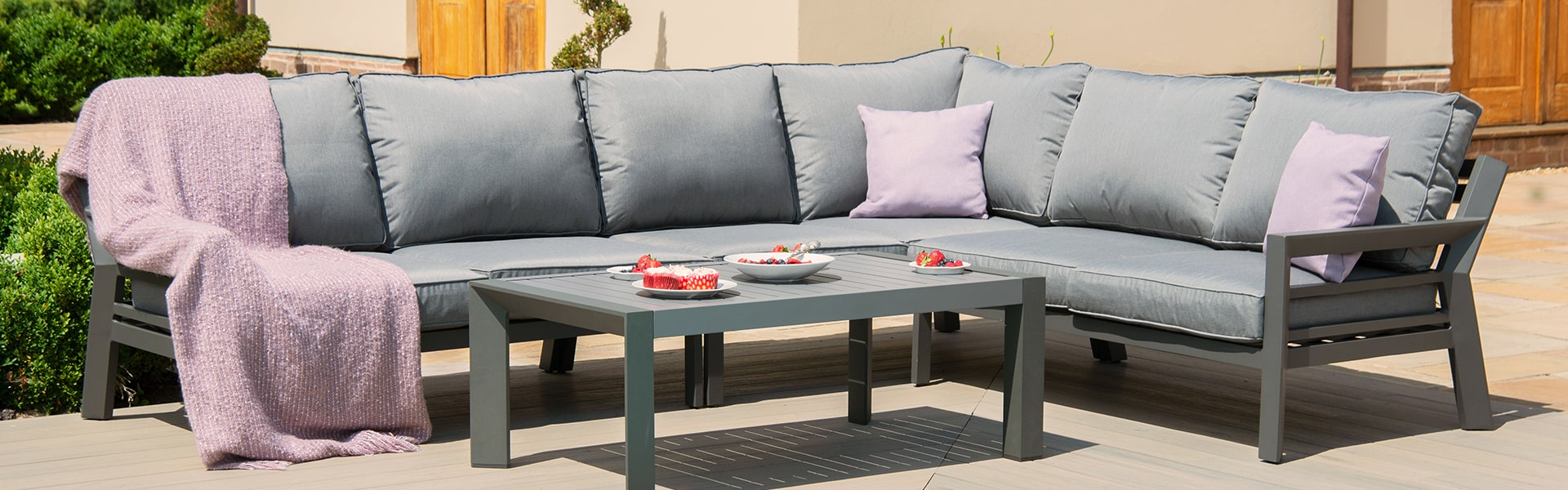
Can I leave outdoor furniture out in the rain, or should I store it indoors?
Whether you can leave outdoor furniture out in the rain or store it indoors depends on the type of furniture and the materials it’s made of. Here are some considerations:
1. Weather-Resistant Materials:
Outdoor furniture made from weather-resistant materials such as aluminum, teak, or synthetic wicker is designed to withstand exposure to rain and other elements. These materials are less prone to rust, rot, or damage caused by moisture. It’s generally safe to leave furniture made from these materials outdoors during light to moderate rain.
2. Protective Covers:
Using protective covers can help shield outdoor furniture from rain and moisture. Waterproof covers specifically designed for outdoor furniture can provide an extra layer of protection, helping to prevent water damage. If your furniture doesn’t have built-in weather resistance, using covers when rain is expected is recommended.
3. Quick-Drying Fabrics:
Outdoor furniture with quick-drying fabrics is designed to resist moisture absorption and promote faster drying. This helps prevent mold and mildew growth. If your furniture has cushions or upholstery made from quick-drying fabrics, it can be left outside during light rain, but it’s advisable to bring them indoors during heavy rain or extended periods of wet weather.
4. Non-Weather-Resistant Materials:
Some outdoor furniture materials, such as certain types of wood or untreated metals, are more susceptible to damage from moisture. These materials may warp, rot, or develop mold if exposed to rain. It’s generally best to store furniture made from non-weather-resistant materials indoors or in a covered area when not in use to prevent water damage.
5. Extreme Weather Conditions:
In cases of severe weather conditions, such as heavy rainstorms, hurricanes, or prolonged periods of wet weather, it’s advisable to store outdoor furniture indoors or in a covered area. Extreme weather can cause significant damage to furniture, even if it’s made from weather-resistant materials.
6. Seasonal Storage:
During seasons when outdoor furniture is not in use or when the weather is consistently wet, it’s generally recommended to store the furniture indoors or in a dry, covered area. This helps protect the furniture from prolonged exposure to rain and extends its lifespan.
7. Regular Maintenance:
Regardless of whether you leave outdoor furniture out in the rain or store it indoors, regular maintenance is essential. Clean the furniture regularly and follow any specific care instructions provided by the manufacturer to ensure its longevity and performance.
Ultimately, the decision to leave outdoor furniture out in the rain or store it indoors depends on the specific furniture materials, weather conditions, and personal preferences. Consider the factors mentioned above and use your judgment to determine the best course of action for your outdoor furniture.
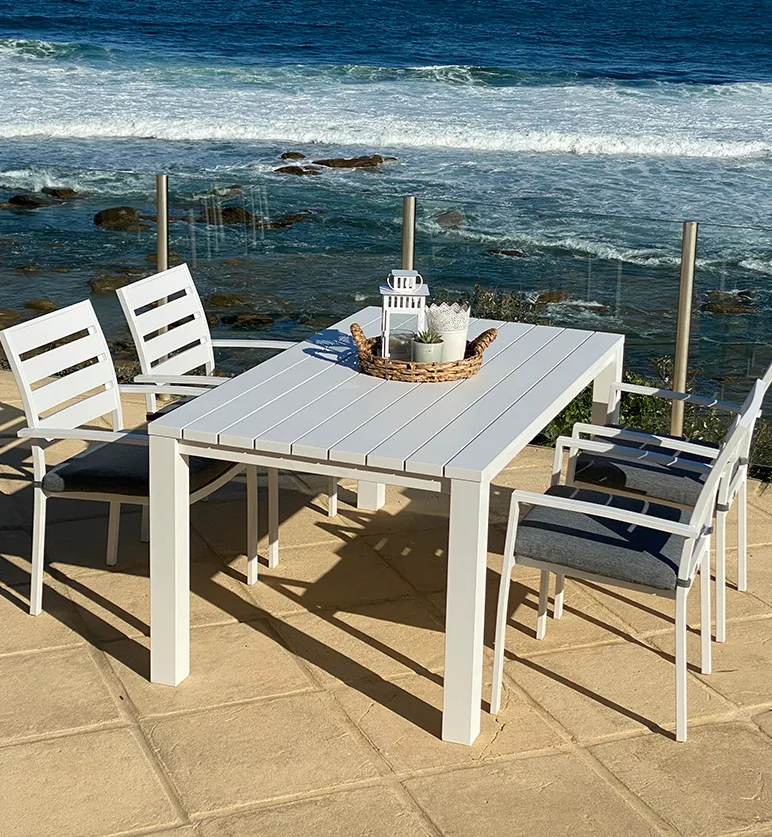
Are there any space-saving outdoor furniture options for small patios or balconies?
Yes, there are several space-saving outdoor furniture options available specifically designed for small patios or balconies. These furniture pieces are designed to maximize functionality while taking up minimal space. Here are some popular options:
1. Folding Furniture:
Folding furniture is a versatile choice for small outdoor spaces. Folding chairs, tables, and benches can be easily folded and stored when not in use, allowing you to create more space when needed.
2. Stackable Furniture:
Stackable chairs or stools are practical for compact spaces. These chairs can be stacked and stored vertically, minimizing the footprint. Look for lightweight and durable materials such as aluminum or plastic.
3. Wall-Mounted Furniture:
Consider wall-mounted tables or benches that can be folded down when needed and folded up against the wall when not in use. This option is ideal for balconies where floor space is limited.
4. Hanging Chairs or Hammocks:
If you have a sturdy overhead structure, hanging chairs or hammocks can provide comfortable seating options without taking up floor space. They can be easily installed and removed as needed.
5. Compact Bistro Sets:
Bistro sets are designed for small outdoor spaces. They typically consist of a small table and two chairs, providing a cozy and functional seating area without overwhelming the space.
6. Built-In Seating:
Consider built-in benches or seating options that can be integrated into your patio or balcony design. These can be customized to fit the available space and provide storage compartments underneath for additional functionality.
7. Multifunctional Furniture:
Look for furniture pieces that serve multiple purposes. For example, ottomans or coffee tables with hidden storage can double as seating or provide a place to keep cushions or other outdoor accessories.
8. Vertical Gardens:
If floor space is limited, vertical gardens or hanging planters can add greenery and enhance the ambiance of your small outdoor space without taking up valuable floor space.
When shopping for space-saving outdoor furniture, consider the dimensions, materials, and functionality of each piece. Take accurate measurements of your patio or balcony to ensure the furniture will fit comfortably. Additionally, consider the weather resistance and durability of the materials used, especially if your outdoor space is exposed to the elements.
By selecting the right space-saving furniture options, you can create a functional and enjoyable outdoor space, even with limited square footage.
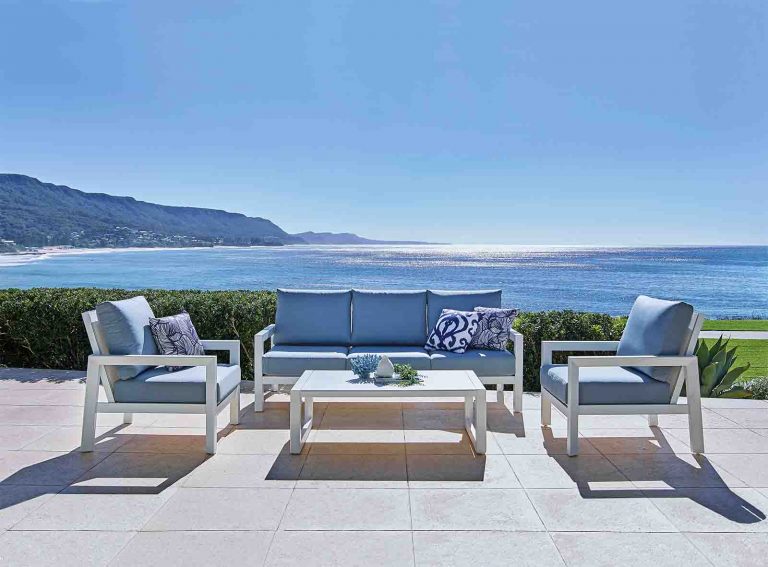
How can I properly care for and maintain my outdoor furniture?
Proper care and maintenance of outdoor furniture are essential to ensure its longevity and keep it looking its best. Here are some tips on how to care for and maintain your outdoor furniture:
1. Clean Regularly: Regular cleaning is crucial to prevent dirt, debris, and stains from accumulating on your furniture. Use a mild soap or specialized outdoor furniture cleaner and a soft brush or sponge to scrub the surfaces. Rinse thoroughly with water and allow the furniture to dry completely before using or covering it.
2. Protect from the Elements: When not in use, it’s beneficial to protect your outdoor furniture from harsh weather conditions. Use furniture covers or store the furniture in a covered area, such as a shed or garage, during extreme weather, prolonged periods of rain, or winter months. This helps prevent excessive exposure to sunlight, moisture, and temperature fluctuations.
3. Apply Protective Finishes: Depending on the material of your outdoor furniture, you may need to apply protective finishes to enhance its resistance to the elements. For example, wooden furniture can benefit from a weather-resistant sealant or protective oil to prevent cracking, splitting, and fading. Metal furniture may require occasional touch-ups with rust-resistant paint or protective coatings.
4. Inspect and Repair: Regularly inspect your outdoor furniture for any signs of damage, such as loose screws, broken parts, or weakened joints. Promptly address any issues by tightening screws, replacing damaged components, or seeking professional repairs if needed. This helps maintain the structural integrity of the furniture and prevents further damage.
5. Store Cushions Properly: If your outdoor furniture has cushions or fabric upholstery, it’s important to store them properly when not in use. Remove the cushions and store them in a dry, ventilated area to prevent mold, mildew, and fading. Consider using storage bags or containers specifically designed for cushion storage.
6. Avoid Harsh Cleaning Agents: While it’s important to clean your outdoor furniture, avoid using harsh cleaning agents, abrasive scrubbers, or power washers as they can damage the furniture’s finish or surface. Stick to mild cleaning solutions and gentle cleaning tools to maintain the integrity of the materials.
7. Follow Manufacturer’s Instructions: Always refer to the manufacturer’s instructions and guidelines for caring for your specific outdoor furniture. They may provide specific recommendations based on the material, design, and finish of the furniture.
By following these care and maintenance tips, you can extend the lifespan of your outdoor furniture and keep it looking beautiful for years to come.
editor by CX 2023-12-29