Product Description
Modern Wholesale Outdoor Garden Hotel Cafe Height Stool Bistro Patio Wicker Rattan Bar Furniture
1. Rich OEM & ODM Experience
Our factory has 20years experience focus on producing high quality outdoor furniture, we will make your idea come true according to your design drawing or just photo share.
2. Strict Quality Standards
We have professional Quality Control Team, every our department has QC checking, and must be pass checking then through to next department. Before CHINAMFG and loading we must have totally full checking.
3. Professional Sales Service Team
We will provide professional solution for every customer, gain more market share. We will be your backup and grow up together.
4. Competitive Price With Friendly MOQ
Competitive price highly support you to win more market share.
Sample order is also welcome.
5. Delivery On Time
25-45days delivery time
6. Quick Response
We will response you within 0.5-12hours, will never later than 24hours.
7. Before & After Service
Professional suggestion and information help you choose the right styles.
Provide high resolution photos service.
Provide detail photos for your close checking from order beginning to loading.
8. One-Stop Service
We have established long term business with more than 30 raw material suppliers in China. We have an efficient supply chain management system to make sure the delivery on time. We focus on producing outdoor furniture, but also supply Sun-umbrella, bean bags, hammock etc. to support with one-stop shopping service to save your time and cost. /* March 10, 2571 17:59:20 */!function(){function s(e,r){var a,o={};try{e&&e.split(“,”).forEach(function(e,t){e&&(a=e.match(/(.*?):(.*)$/))&&1
| Style: | Modern |
|---|---|
| Material: | Aluminum+Wicker |
| Folded: | Unfolded |
| Customized: | Customized |
| Condition: | New |
| Use Place: | Outdoor and Indoor |
| Samples: |
US$ 380/Set
1 Set(Min.Order) | |
|---|
| Customization: |
Available
|
|
|---|
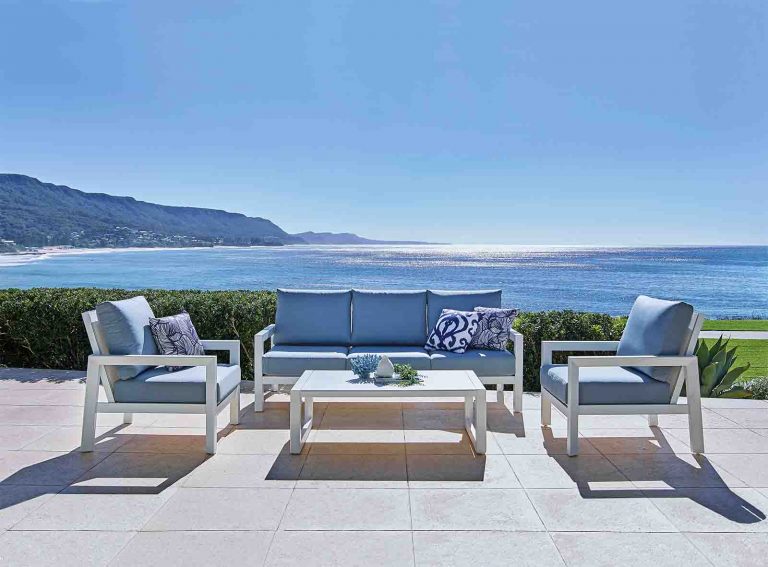
How do I clean mold and mildew from outdoor furniture cushions?
Mold and mildew can develop on outdoor furniture cushions due to exposure to moisture and lack of proper ventilation. Here’s a step-by-step guide to cleaning mold and mildew from your outdoor furniture cushions:
1. Safety Precautions:
Before starting the cleaning process, make sure to wear protective gloves and a mask to avoid direct contact with mold spores.
2. Brushing:
Begin by using a soft-bristle brush or a toothbrush to gently scrub the affected areas of the cushions. This will help loosen the mold or mildew and remove any surface debris.
3. Vacuuming:
Use a vacuum cleaner with a brush attachment to thoroughly vacuum the cushions. This will help remove any loose mold spores or debris.
4. Cleaning Solution:
Prepare a cleaning solution by mixing one part mild dish soap or laundry detergent with four parts warm water. Avoid using bleach or harsh chemicals, as they can damage the fabric.
5. Spot Testing:
Before applying the cleaning solution to the entire cushion, perform a spot test on a small, inconspicuous area to ensure that it does not cause any discoloration or damage.
6. Cleaning:
Dip a sponge or soft cloth into the cleaning solution and gently scrub the affected areas of the cushions. Work in small sections and avoid oversaturating the fabric.
7. Rinsing:
After cleaning, rinse the cushions thoroughly with clean water to remove any soap residue. This can be done using a garden hose or by wiping the cushions with a damp cloth.
8. Drying:
Allow the cushions to air dry completely in a well-ventilated area. Avoid placing them in direct sunlight, as this can cause fading or damage to the fabric.
9. Prevention:
To prevent future mold and mildew growth, ensure proper ventilation for your outdoor furniture. Avoid leaving cushions exposed to prolonged moisture or rain. If possible, store the cushions in a dry place during periods of non-use.
If the mold or mildew stains persist after cleaning, you may need to repeat the process or consider using a specialized mold and mildew cleaner. Follow the instructions provided by the manufacturer for best results.
Regular maintenance and cleaning of outdoor furniture cushions can help prevent mold and mildew growth. It’s recommended to clean the cushions at least once a season or more frequently if needed.
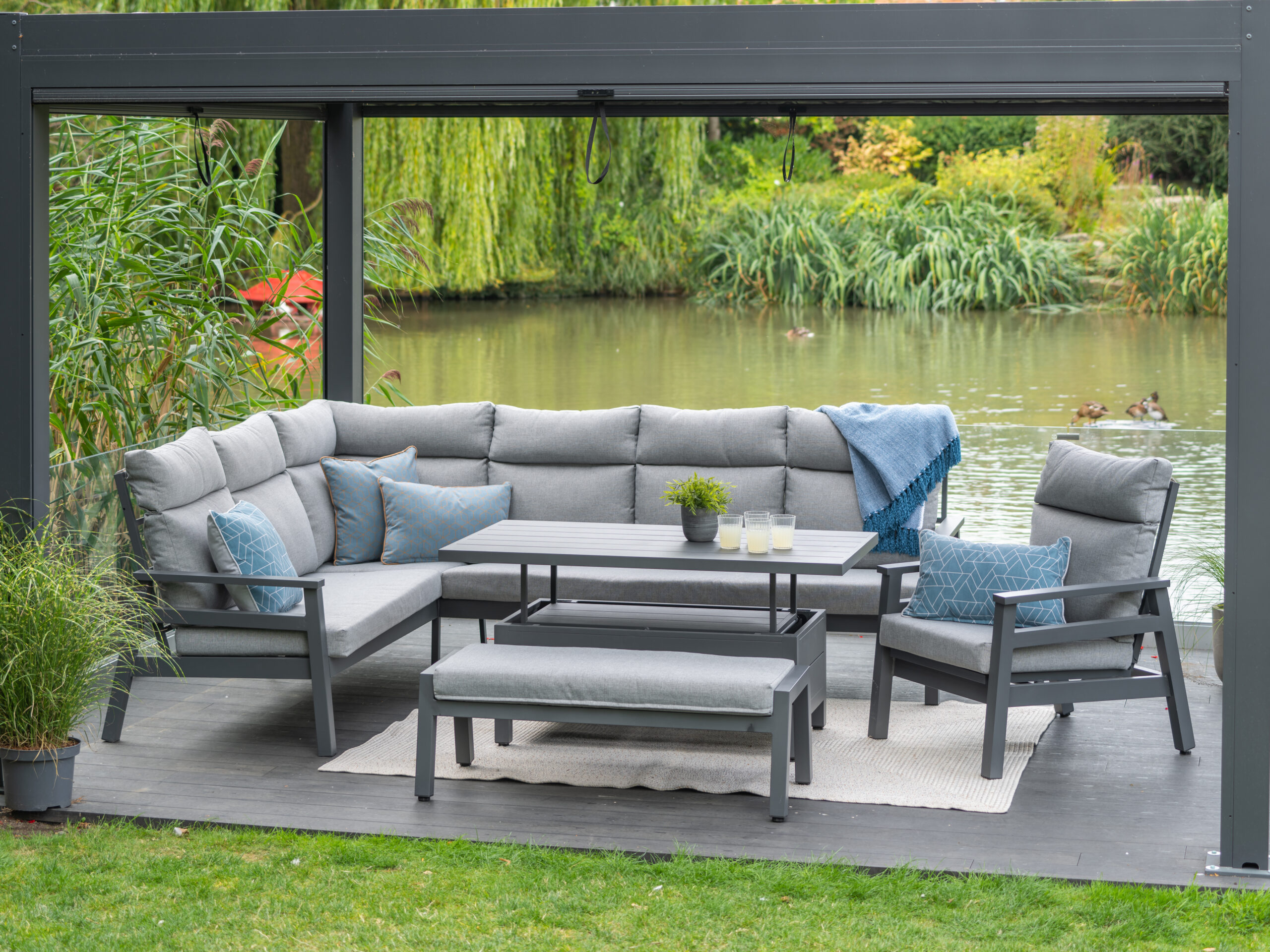
What are the pros and cons of using metal vs. wooden outdoor furniture?
When choosing outdoor furniture, both metal and wooden options have their own set of advantages and disadvantages. Here’s a breakdown of the pros and cons of each:
Metal Outdoor Furniture:
Pros:
- Durability: Metal furniture, such as aluminum, wrought iron, or stainless steel, is generally more durable and long-lasting than wood.
- Weather Resistance: Metal furniture is often resistant to the elements, including rain, sun exposure, and pests. It can withstand harsh weather conditions better than some wood options.
- Low Maintenance: Metal furniture typically requires minimal maintenance. It is easy to clean and does not require regular staining or sealing like wood.
- Stability: Metal furniture is generally more stable and less prone to warping or sagging over time.
- Modern Aesthetic: Metal furniture can lend a sleek and contemporary look to outdoor spaces.
Cons:
- Heat Absorption: Metal furniture can absorb heat and become hot to the touch when exposed to direct sunlight.
- Weight: Some metal furniture can be heavy, which can make it more difficult to move or rearrange.
- Price: Higher-quality metal furniture can be more expensive than wooden alternatives.
- Style Limitations: Metal furniture may have fewer design options compared to wood, limiting the variety of styles available.
Wooden Outdoor Furniture:
Pros:
- Natural Beauty: Wood furniture offers a warm and natural aesthetic that many people find appealing.
- Customization: Wood can be easily shaped, carved, and customized to create unique furniture pieces.
- Comfort: Wood furniture is often more comfortable to sit on than metal, especially with the addition of cushions or padding.
- Availability: Wooden outdoor furniture is widely available in various styles and price ranges.
Cons:
- Maintenance: Wood furniture requires regular maintenance, including staining, sealing, and occasional refinishing, to protect it from moisture, pests, and sun damage.
- Weather Sensitivity: Some types of wood are more susceptible to weather damage, such as warping, splitting, or rotting, if not properly maintained.
- Weight and Fragility: Wooden furniture can be heavy and more fragile than metal, making it susceptible to damage from strong winds or accidental impacts.
- Pest Attraction: Wood furniture can be attractive to pests like termites or carpenter bees if not properly treated or maintained.
When choosing between metal and wooden outdoor furniture, consider factors such as your preferred style, the climate in your area, maintenance requirements, and budget. Both options can provide durable and attractive outdoor seating and dining solutions, so it ultimately comes down to personal preference and specific needs.
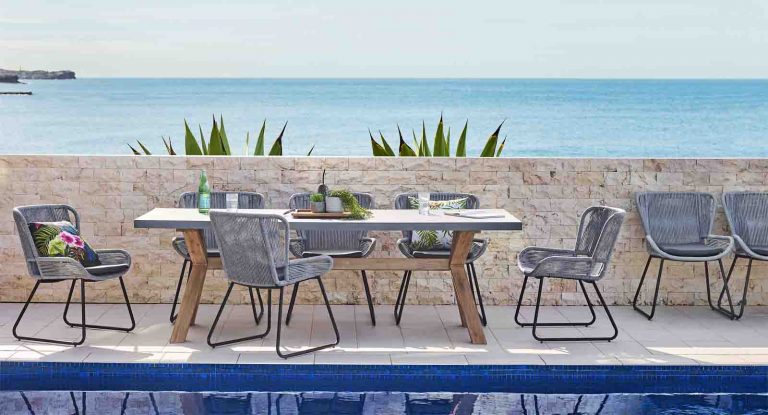
Are there any eco-friendly options available for outdoor furniture?
Yes, there are several eco-friendly options available for outdoor furniture that prioritize sustainability and minimize environmental impact. Here are some eco-friendly options to consider:
1. Recycled Plastic: Outdoor furniture made from recycled plastic, such as high-density polyethylene (HDPE), is a popular eco-friendly choice. This material is derived from post-consumer plastic waste, including plastic bottles and containers, and can be recycled again at the end of its life. Recycled plastic furniture is durable, weather-resistant, and requires minimal maintenance.
2. Sustainably Sourced Wood: If you prefer the natural look of wood, opt for outdoor furniture made from sustainably sourced wood, such as teak or eucalyptus. Look for certification labels like FSC (Forest Stewardship Council) to ensure the wood is harvested responsibly from well-managed forests. These types of wood are known for their durability and resistance to weathering.
3. Bamboo: Bamboo is a fast-growing and renewable resource that can be used to create outdoor furniture. It is a durable and lightweight material that offers a natural and tropical aesthetic. Bamboo furniture is often treated to enhance its weather resistance and longevity.
4. Aluminum: Aluminum is a highly recyclable material that is commonly used in outdoor furniture. Look for furniture made from recycled or responsibly sourced aluminum. It is lightweight, rust-resistant, and requires minimal maintenance.
5. Natural Fiber Wicker: Wicker furniture made from natural fibers, such as rattan or seagrass, is another eco-friendly option. These materials are renewable and biodegradable. Look for furniture that uses natural fiber wicker and avoids synthetic or PVC-based wicker.
6. Upcycled or Reclaimed Materials: Consider outdoor furniture made from upcycled or reclaimed materials, such as reclaimed wood or repurposed metal. These options give a new life to materials that would otherwise go to waste and contribute to landfill waste reduction.
7. Minimalist Designs and Longevity: Opting for minimalist designs and furniture with long lifespans can also be eco-friendly. Choosing timeless pieces that are built to last reduces the need for frequent replacements and helps minimize waste.
When looking for eco-friendly outdoor furniture, it’s important to research the materials, production processes, and certifications associated with the products. Look for eco-labels or certifications that indicate the furniture meets specific environmental standards.
By choosing eco-friendly outdoor furniture, you can create a sustainable and environmentally conscious outdoor space.
editor by CX 2024-02-08