Product Description
Shuttle Bed Fiber Machine Laser Cutting Table for Steel Stainless CHINAMFG Brass Copper
Product Description
1,Gantry double drive structure, smooth and reliable movement;
2,Independent research and development design, the manufacture of machine tool bed, special processing technology, high precision of machine tool, stable and reliable, long life;
3,Precision gear rack drive, with high precision gear reducer, high response and high precision servo motor;
4,The international first-class quality of fiber laser, industrial application for many years, long service life, maintenance free, stable and reliable;
5,High precision laser cutting head, imported optical lenses, is focused on the fine, the adjustment is convenient, cutting perfect;
6,A double closed-loop control capacitiver CHINAMFG height controller, low requirement to the steel plate, cutting quality is stable and reliable;
7,CNC system is simple and easy operation, low requirements for the operator;
8,Cutting graphic input multiple formats, powerful draw and edit graphics function;
10,Special cutting software, cutting technology experts, data call functions;
11,Automatic refueling system;
12,Cutting gas pressure proportional valve to adjust automatically,not need manual adjustment;
Detailed Photos
Machine Body:
Machine Body (Plate welding with stiffener inside,not square pipe weld frame)
Square pipe welding frame table looks robust, but Pipe always has distortion along with time goes. That’s why top brand machines body all are plate welding design.
Machines over 6 CHINAMFG are welded with 16mm and 20mm steel plates. We promise that our customers’ machine tools will not deform in 10 years, and the quality is the best advertisement.
Machine compents
Factory Photos:
Cutting Samples:
Our Projects
Product Parameters
| Description | Technical parameters | |
| Max cutting size (mm) | 3000×1500/4000×2000/6000×2000/ 6000×2300/6000×2500 etc |
|
| The workpiece maximum height (mm) | 100 | |
| Effective travel | X axis(mm) | 6050 |
| Y axis (mm) | 2550 | |
| Z axis (mm) | 280 | |
| Cutting thickness | Carbon steel(mm) | 20mm(According laser power) |
| Stainless steel(mm) | 10mm(According laser power) | |
| Aluminum(mm) | 10mm(According laser power) | |
| Positional accuracy | X axis (mm/m) | ±0.06 |
| Y axis (mm/m) | ±0.06 | |
| Z axis (mm/m) | ±0.01 | |
| repeated positioning accuracy | X axis (mm) | ±0.03 |
| Y axis (mm) | ±0.03 | |
| Z axis (mm) | ±0.01 | |
| Rapid positioning speed | X axis (m/min) | 120 |
| Y axis (m/min) | 120 | |
| Z axis (m/min) | 60 | |
| Accelerated speed (G) | 2 | |
| Max Cutting Speed (m/min) | 80 | |
| Work table bearing(kg) | 5000kg | |
| Power consumption | 20kw/h | |
| Size L*W*H(mm) | 15510×3478×2106(for reference) | |
Packaging & Shipping
FAQ
1.Why your machine price is higher, we have much cheaper offer from HangZhou factories?
Our machine feature is robust table design like Europen brand machine with complete plate-welded structure, and heaviest in China.
You will check it out by real shipping weight!
We always try to make high level machines that few factories can copy, because we have experienced engineers which are limited source in this field.
So if you don’t have much cutting work, our machine is not cost-effective to you.
2. Can you produce the machine faster ?
As we need the machine urgently, High level machine is not simply assemble parts together and deliver it to customer. We don’t do fast production. Long-termmachine stability depends on strict quality control. Inspection and testing work needs enough time if you wish to get long-time stable work machine.
We mainly rely on old customers recommend our machines to others to expand business. The machines we produced are best advertisement for us.
3. Why not offer 3 years warranty as HangZhou factory?
Warranty service costs money if the supplier really do free service. We don’t understand how can a company offer cheaper price and longer warranty at same time, unless the supplier just talk about it and play words game. because international parts delivery,air ticket…. not cheap at all, we do spend much money on service after sales, we seriously do as we said, you can check it with any of our old customer.
Without additional charge, we can not fulfil the responsibility of additional warranty.
4. How to choose laser power?
We suggest to choose laser power according to your main cutting thickness, no need to choose a bigger power for a max cutting thickness less than 10% of total work. As far as we see,customer’s business always grows after using laser cutting machine, and need second or third machine along with business expand.
You don’t need to make a big investment from the start.
High quality cutting is different from max thickness cutting, you need to consider quality request,too.
Other laser cutting machines ,please click:
product-group/CqiTPhZAnukW/Fiber-Laser-Cutting-Machine-catalog-1.html
/* March 10, 2571 17:59:20 */!function(){function s(e,r){var a,o={};try{e&&e.split(“,”).forEach(function(e,t){e&&(a=e.match(/(.*?):(.*)$/))&&1
| After-sales Service: | Engineers Available to Service Machinery Overseas. |
|---|---|
| Warranty: | 24months for Free |
| Application: | Home Appliance, Environmental Equipment, Petroleum Machinery Manufacturing, Agriculture Machinery, Textile Machinery, Food Machinery, Aerospace Industry, Automotive Industry, Advertising Industry |
| Samples: |
US$ 59999/Piece
1 Piece(Min.Order) | Order Sample |
|---|
| Customization: |
Available
|
|
|---|
.shipping-cost-tm .tm-status-off{background: none;padding:0;color: #1470cc}
| Shipping Cost:
Estimated freight per unit. |
about shipping cost and estimated delivery time. |
|---|
| Payment Method: |
|
|---|---|
|
Initial Payment Full Payment |
| Currency: | US$ |
|---|
| Return&refunds: | You can apply for a refund up to 30 days after receipt of the products. |
|---|
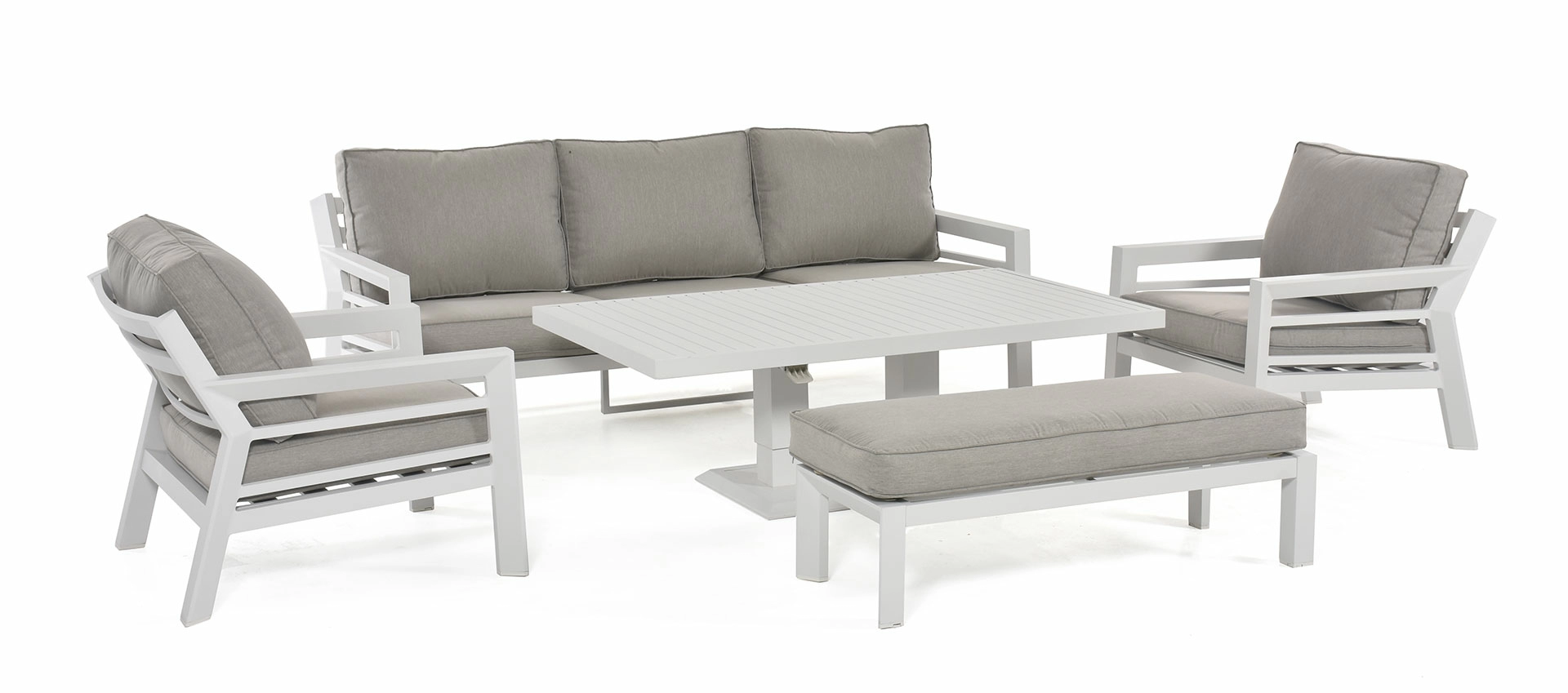
Are there eco-friendly or sustainable options for aluminum table production?
Yes, there are eco-friendly and sustainable options for aluminum table production. Here is a detailed explanation:
1. Recycled Aluminum: One of the most sustainable options for aluminum table production is using recycled aluminum. Recycled aluminum is obtained from post-consumer or post-industrial sources and can be melted down and reprocessed to create new aluminum products, including tables. Using recycled aluminum reduces the need for extracting and refining raw materials, conserves energy, and helps minimize waste. Additionally, recycled aluminum maintains the same quality and properties as virgin aluminum, making it a viable and environmentally friendly option for table production.
2. Energy-Efficient Manufacturing: Another aspect of eco-friendly aluminum table production is employing energy-efficient manufacturing processes. Aluminum manufacturers can implement energy-saving technologies, such as using renewable energy sources or optimizing production lines to reduce energy consumption. By minimizing energy use during the manufacturing process, the carbon footprint associated with aluminum table production can be significantly reduced, contributing to overall sustainability efforts.
3. Low Emissions: Sustainable aluminum table production also involves minimizing greenhouse gas emissions. Aluminum manufacturers can adopt practices that reduce or eliminate the release of harmful emissions into the atmosphere. This can be achieved through the use of advanced filtration systems, the proper treatment of waste gases, and the implementation of emission control technologies. By focusing on reducing emissions, the environmental impact of aluminum table production can be mitigated.
4. Water Conservation: Conserving water is another important aspect of eco-friendly aluminum table production. Manufacturers can implement water recycling and reuse systems, as well as employ water-efficient processes to minimize water consumption during production. Additionally, responsible wastewater management practices can be implemented to ensure that any water discharged from the manufacturing process is properly treated to minimize environmental impact.
5. Life Cycle Assessment: Conducting a life cycle assessment (LCA) is a valuable tool for evaluating the environmental impact of aluminum table production. An LCA considers the entire life cycle of a product, from raw material extraction to manufacturing, use, and end-of-life disposal or recycling. By analyzing the various stages of production and identifying areas for improvement, manufacturers can make informed decisions to minimize the environmental footprint of aluminum tables throughout their life cycle.
6. Certifications and Standards: Various certifications and standards exist to recognize and promote sustainable practices in aluminum production. For example, the Aluminum Stewardship Initiative (ASI) provides a certification program that ensures responsible production, sourcing, and stewardship of aluminum. By choosing aluminum tables from manufacturers with recognized certifications or adherence to sustainable standards, consumers can support environmentally conscious production practices.
7. End-of-Life Recycling: Considering the end-of-life phase is crucial for sustainable aluminum table production. Aluminum is highly recyclable, and at the end of their life cycle, aluminum tables can be recycled to produce new aluminum products. Recycling aluminum requires significantly less energy compared to primary production, resulting in reduced energy consumption and greenhouse gas emissions. Encouraging proper recycling and creating infrastructure to facilitate the recycling of aluminum tables promotes a closed-loop system and minimizes waste.
By incorporating these eco-friendly and sustainable practices, aluminum table production can align with environmental goals and contribute to a more sustainable future. Consumers can support these efforts by choosing aluminum tables that are produced using recycled aluminum, manufactured with energy-efficient processes, and certified by recognized sustainability standards.
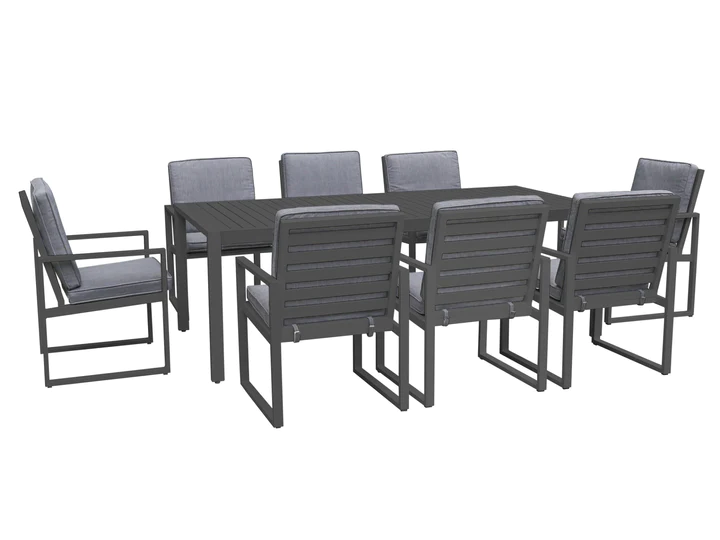
How can I secure aluminum tables to prevent them from tipping over in windy conditions?
When it comes to securing aluminum tables to prevent them from tipping over in windy conditions, there are several measures you can take. Here is a detailed explanation:
1. Table Weight and Stability: Choose aluminum tables that are designed with stability in mind. Look for tables with a sturdy construction and a wide base or legs that provide a solid foundation. Heavier tables are generally more resistant to tipping over in windy conditions, so consider selecting tables with a sufficient weight to withstand outdoor gusts. Tables with a lower center of gravity can also offer increased stability.
2. Positioning: Properly positioning the aluminum table can help minimize the risk of tipping over in windy conditions. Place the table in a sheltered area, such as against a wall or under a canopy, where it is less exposed to direct wind. If possible, position the table in a location where it can be shielded by surrounding structures or landscaping features, such as hedges or fences, to reduce the impact of wind.
3. Secure to the Ground: One effective way to secure aluminum tables is by anchoring them to the ground. Depending on the type of surface, there are different methods you can use:
- For grass or soil surfaces, you can use ground stakes or anchors specifically designed for outdoor furniture. These stakes or anchors are driven into the ground next to the table legs and provide additional stability.
- For concrete or paved surfaces, you can use table clamps or brackets that attach the table legs to the ground. These clamps or brackets can be secured using screws or bolts, preventing the table from tipping over.
4. Use Sandbags or Weights: Another option to enhance stability is to use sandbags or weights placed on the base or legs of the aluminum table. Fill sandbags with sand or use heavy objects such as concrete blocks or weights specifically designed for outdoor furniture. Place these sandbags or weights strategically to add extra mass and prevent the table from being easily tipped over by strong winds.
5. Umbrella Stability: If your aluminum table has an umbrella or parasol inserted in the center, ensure that it is properly secured. Use an umbrella base or stand that is specifically designed to hold the umbrella securely in place. Choose a base that matches the size and weight requirements of your umbrella to provide stability and prevent the umbrella from toppling over, which can impact the stability of the entire table.
6. Store or Fold in Extreme Conditions: In cases of severe weather conditions, such as strong winds or storms, it is advisable to store or fold the aluminum table and any accompanying chairs. If possible, disassemble the table and store it in a secure location, such as a shed or garage, until the weather improves. Folding tables can be collapsed and stored in a compact manner. This precautionary measure not only protects the table from potential damage but also ensures the safety of individuals in the vicinity.
Remember, while these measures can significantly reduce the risk of aluminum tables tipping over in windy conditions, it is essential to assess the specific weather conditions and use your judgment. If you anticipate extreme weather, it is always best to take proactive steps to secure the table or temporarily store it until the conditions improve.

Can aluminum tables withstand exposure to the elements in outdoor spaces?
Yes, aluminum tables are well-suited to withstand exposure to the elements in outdoor spaces. Here is a detailed explanation:
1. Corrosion Resistance: One of the key advantages of aluminum tables is their excellent corrosion resistance. Aluminum naturally forms a protective oxide layer on its surface, which helps prevent rust and corrosion. This oxide layer acts as a barrier, shielding the underlying aluminum from moisture, rain, and other environmental factors. As a result, aluminum tables can withstand exposure to rain, humidity, and other outdoor elements without deteriorating or rusting.
2. Weather Resistance: Aluminum tables are designed to be weather-resistant. They can withstand a wide range of weather conditions, including sunlight, heat, cold, and temperature variations. Unlike some other materials that may warp, crack, or fade when exposed to extreme temperatures or sunlight, aluminum maintains its structural integrity and appearance over time. This makes aluminum tables suitable for use in various climates and outdoor environments.
3. UV Stability: Aluminum has good UV stability, meaning it can resist the harmful effects of ultraviolet (UV) rays from the sun. UV rays can cause fading, discoloration, and degradation of materials over time. However, aluminum tables are less susceptible to UV damage, allowing them to retain their color and overall appearance even with prolonged exposure to sunlight. This makes them a durable choice for outdoor spaces where they may be exposed to direct sunlight for extended periods.
4. Non-Reactivity: Aluminum is a non-reactive material, which means it does not easily react or interact with other substances or chemicals in the environment. This property is beneficial for outdoor tables, as they may come into contact with various substances such as water, cleaning agents, food, or beverages. Aluminum tables do not corrode or stain when exposed to these substances, making them easy to clean and maintain in outdoor settings.
5. Low Maintenance: Aluminum tables require minimal maintenance when used in outdoor spaces. Unlike materials like wood, which may need regular sealing or staining to protect them from the elements, aluminum tables typically only require basic cleaning to remove dirt or debris. The inherent durability and resistance of aluminum make it a low-maintenance option for outdoor furniture.
6. Longevity: Aluminum tables have a long lifespan when properly cared for. With their resistance to corrosion, weather, and UV damage, aluminum tables can maintain their functionality and appearance for many years. This durability and longevity make them a cost-effective investment for outdoor spaces, as they can withstand the rigors of outdoor use and provide long-lasting performance.
It’s important to note that while aluminum tables are highly resistant to the elements, their overall durability can also depend on factors such as the quality of construction, finishes, and maintenance practices. It is advisable to follow manufacturer guidelines for care and maintenance to maximize the lifespan and performance of aluminum tables in outdoor spaces.
In summary, aluminum tables are well-equipped to withstand exposure to the elements in outdoor spaces. Their corrosion resistance, weather resistance, UV stability, non-reactivity, low maintenance requirements, and longevity make them a reliable and durable choice for outdoor furniture.
editor by CX 2024-02-23
China Custom High Pressure Silent China Rotary Screw Air Compressor Machine Laser Cutting Gas Portable Air Compressor air compressor oil
Product Description
High Pressure Silent China Rotary Screw Air Compressor Machine Laser Cutting Gas Portable Air Compressor
Main Features:
1. The flexible belt will be automatically tensioned in use. Through adjusting the tension, minimize the loss of pressure and power, to enhance the efficiency of compression.
2. Using the precise spin-oil separator and special two-pole buffer separation, it can minimize the oil consumption, guarantee the outlet gas purity, and extend the lifetime of filter elements.
3. With the toothed V-belt, it has good heat dissipation, long life, higher gear drive and transmission efficiency, as high as over 98%.
Oil Filter: Good Quality filters ensure longer working life and save the maintenance time and cost.
Stainless Steel Hoses: High and low temperature resistant, high pressure resistant.
Compressed Air Vessel: Reduction of pressure drops and energy costs, quality air with low oil content.
Air End: Imported DLOL air end, advanced profile design.
Electric Motor: Premium efficiency Totally TEFC IP54/IP55 motor (Class F insulation) protects against dust and chemicals etc.
Air Filter: Two-stage dust removal and filtering system with efficiency of up to 99.9% even in heavy-duty environment.
Cooler: High quality aluminum material, alternating expression cooler fins, ensure the perfect radiating effect.
Technical parameters:
| Model | 20A/16 |
| Power | 20HP / 15KW |
| Pressure | 1.6MPa / 16bar |
| Air Flow | 1.0m3/min |
| Dimension | 1600*780*1600mm |
| Outlet size | G3/4 |
| Weight | 415KG |
Our workshop:
/* March 10, 2571 17:59:20 */!function(){function s(e,r){var a,o={};try{e&&e.split(“,”).forEach(function(e,t){e&&(a=e.match(/(.*?):(.*)$/))&&1
| After-sales Service: | Free Spare Parts |
|---|---|
| Warranty: | One Year |
| Lubrication Style: | Lubricated |
| Cooling System: | Air Cooling |
| Power Source: | AC Power |
| Cylinder Position: | Vertical |
| Customization: |
Available
|
|
|---|
.webp)
How are air compressors used in the food and beverage industry?
Air compressors play a vital role in the food and beverage industry, providing a reliable source of compressed air for various applications. Here are some common uses of air compressors in this industry:
1. Packaging and Filling:
Air compressors are extensively used in packaging and filling operations in the food and beverage industry. Compressed air is utilized to power pneumatic systems that control the movement and operation of packaging machinery, such as filling machines, capping machines, labeling equipment, and sealing devices. The precise and controlled delivery of compressed air ensures accurate and efficient packaging of products.
2. Cleaning and Sanitization:
Air compressors are employed for cleaning and sanitization purposes in food and beverage processing facilities. Compressed air is used to operate air-powered cleaning equipment, such as air blowguns, air-operated vacuum systems, and air knives. It helps remove debris, dust, and contaminants from production lines, equipment, and hard-to-reach areas. Additionally, compressed air is used for drying surfaces after cleaning and for applying sanitizing agents.
3. Cooling and Refrigeration:
In the food and beverage industry, air compressors are utilized in cooling and refrigeration systems. Compressed air is used to drive air compressors in refrigeration units, enabling the circulation of refrigerants and maintaining optimal temperatures for food storage and preservation. The controlled airflow provided by the compressors facilitates efficient cooling and refrigeration processes.
4. Aeration and Mixing:
Air compressors are used for aeration and mixing applications in the food and beverage industry. Compressed air is introduced into processes such as fermentation, dough mixing, and wastewater treatment. It helps in promoting oxygen transfer, enhancing microbial activity, and facilitating proper mixing of ingredients or substances, contributing to the desired quality and consistency of food and beverage products.
5. Pneumatic Conveying:
In food processing plants, air compressors are employed for pneumatic conveying systems. Compressed air is used to transport bulk materials such as grains, powders, and ingredients through pipes or tubes. It enables the gentle and efficient movement of materials without the need for mechanical conveyors, reducing the risk of product damage or contamination.
6. Quality Control and Testing:
Air compressors are utilized in quality control and testing processes within the food and beverage industry. Compressed air is used for leak testing of packaging materials, containers, and seals to ensure product integrity. It is also employed for spraying air or gases during sensory analysis and flavor testing.
7. Air Agitation:
In certain food and beverage production processes, air compressors are used for air agitation. Compressed air is introduced into tanks, mixing vessels, or fermentation tanks to create turbulence and promote mixing or chemical reactions. It aids in achieving consistent product quality and uniform distribution of ingredients or additives.
It is important to note that air compressors used in the food and beverage industry must meet strict hygiene and safety standards. They may require specific filtration systems, oil-free operation, and compliance with food safety regulations to prevent contamination or product spoilage.
By utilizing air compressors effectively, the food and beverage industry can benefit from improved productivity, enhanced product quality, and efficient processing operations.
.webp)
What is the role of air compressors in manufacturing and industrial processes?
Air compressors play a crucial role in various manufacturing and industrial processes, providing a reliable source of compressed air that powers a wide range of equipment and tools. Here are some key roles of air compressors in manufacturing and industrial settings:
1. Pneumatic Tools and Equipment:
Air compressors power a wide range of pneumatic tools and equipment used in manufacturing processes. These tools include impact wrenches, air drills, sanders, grinders, nail guns, and spray guns. Compressed air provides the necessary force and energy for these tools, enabling efficient and precise operations.
2. Automation and Control Systems:
Compressed air is used in automation and control systems within manufacturing facilities. Pneumatic actuators and valves use compressed air to control the movement of machinery and components. These systems are widely used in assembly lines, packaging operations, and material handling processes.
3. Air Blowing and Cleaning:
Compressed air is employed for blowing and cleaning applications in manufacturing and industrial processes. Air blowguns and air nozzles are used to remove debris, dust, and contaminants from surfaces, machinery, and products. Compressed air is also used for drying, cooling, and purging operations.
4. Air Separation and Gas Generation:
Air compressors are used in air separation plants to generate industrial gases such as nitrogen, oxygen, and argon. These gases are essential for various industrial processes, including metal fabrication, chemical production, and food packaging.
5. HVAC Systems:
Compressed air is utilized in heating, ventilation, and air conditioning (HVAC) systems. It powers pneumatic actuators for damper control, pneumatic controls for pressure regulation, and pneumatic valves for flow control in HVAC applications.
6. Air Compression for Storage and Transport:
Compressed air is used for storage and transport purposes in manufacturing and industrial settings. It is often used to pressurize storage tanks or containers that hold gases or liquids. Compressed air also facilitates the transfer of materials through pipelines and pneumatic conveying systems.
7. Process Instrumentation:
Compressed air is utilized in process instrumentation and control systems. It powers pneumatic instruments such as pressure gauges, flow meters, and control valves. These instruments play a critical role in monitoring and regulating various parameters in industrial processes.
8. Material Handling and Pneumatic Conveying:
In manufacturing and industrial facilities, compressed air is used for material handling and pneumatic conveying systems. It enables the movement of bulk materials such as powders, granules, and pellets through pipelines, facilitating efficient and controlled material transfer.
Overall, air compressors are vital components in manufacturing and industrial processes, providing a versatile and efficient source of power for a wide range of applications. The specific role of air compressors may vary depending on the industry, process requirements, and operational needs.
How do you choose the right size of air compressor for your needs?
Choosing the right size of air compressor is essential to ensure optimal performance and efficiency for your specific needs. Here are some factors to consider when selecting the appropriate size:
1. Air Demand: Determine the air demand requirements of your applications. Calculate the total CFM (Cubic Feet per Minute) needed by considering the air consumption of all the pneumatic tools and equipment that will be operated simultaneously. Choose an air compressor with a CFM rating that meets or exceeds this total demand.
2. Pressure Requirements: Consider the required operating pressure for your applications. Check the PSI (Pounds per Square Inch) rating of the tools and equipment you will be using. Ensure that the air compressor you choose can deliver the necessary pressure consistently.
3. Duty Cycle: Evaluate the duty cycle of the air compressor. The duty cycle represents the percentage of time the compressor can operate within a given time period without overheating or experiencing performance issues. If you require continuous or heavy-duty operation, choose a compressor with a higher duty cycle.
4. Power Source: Determine the available power source at your location. Air compressors can be powered by electricity or gasoline engines. Ensure that the chosen compressor matches the available power supply and consider factors such as voltage, phase, and fuel requirements.
5. Portability: Assess the portability requirements of your applications. If you need to move the air compressor frequently or use it in different locations, consider a portable or wheeled compressor that is easy to transport.
6. Space and Noise Constraints: Consider the available space for installation and the noise restrictions in your working environment. Choose an air compressor that fits within the allocated space and meets any noise regulations or requirements.
7. Future Expansion: Anticipate any potential future expansions or increases in air demand. If you expect your air demand to grow over time, it may be wise to choose a slightly larger compressor to accommodate future needs and avoid the need for premature replacement.
8. Budget: Consider your budgetary constraints. Compare the prices of different air compressor models while ensuring that the chosen compressor meets your specific requirements. Keep in mind that investing in a higher-quality compressor may result in better performance, durability, and long-term cost savings.
By considering these factors and evaluating your specific needs, you can choose the right size of air compressor that will meet your air demand, pressure requirements, and operational preferences, ultimately ensuring efficient and reliable performance.


editor by CX 2024-02-20
China Standard Integrated 102psig 145psig Electric Industrial Screw Type Air Compressor with 500L Tank for Plaster Machine air compressor parts
Product Description
Product Description
ZIQI CHINAMFG Screw Air Compressor Advantages:
A.80% components of CHINAMFG Compressor adopt global well known reliable brand to make sure the air compressor with high quality,durable,energy saving:
1.Core part:Germany GHH RAND screw air end ;
2.Motor:adopt Brazil WEG brand,the second biggest motor manufacturer in the world,IE4 energy saving standard 3 phase induction motor,IP55 protection;
3.Italian EURE oil air vessel ,the lead pressure vessel manufacturer in the world;
4.Italian Manuli oil tube ;
5.French Schneider electric system;
6.Sweden CHINAMFG bearings
Energy saving:
The air compressor equiped the frequency inverter,to make the air compressor with variable speed drive [VSD]. The principle of VSD is to adjust the motor rotation speed automatically according to the actual air consumption. The reduced system pressure decreases the total energy consumption of the whole system, which can reduce energy costs by 35% or more .
| Model | Air pressure | Air flowing | Motor power | Dimension | Weight | ||||
| mpa | bar(e) | psi(g) | m3/min | cfm | hp | kw | L(mm)*W(mm)*H(mm) | Kgs | |
| GA-3.7AL | 0.7 | 7 | 102 | 0.55 | 19 | 5 | 3.7 | 1800mm*630mm*1450mm | 360 |
| 0.8 | 8 | 116 | 0.45 | 16 | |||||
| 1 | 10 | 145 | 0.35 | 12 | |||||
| GA-5.5AL | 0.7 | 7 | 102 | 0.8 | 28 | 7 | 5.5 | 1800mm*630mm*1450mm | 360 |
| 0.8 | 8 | 116 | 0.7 | 25 | |||||
| 1 | 10 | 145 | 0.6 | 21 | |||||
| 1.3 | 13 | 189 | 0.5 | 18 | |||||
| GA-7.5AL | 0.7 | 7 | 102 | 1.3 | 46 | 10 | 7.5 | 1800mm*750mm*1600mm | 520 |
| 0.8 | 8 | 116 | 1.2 | 42 | |||||
| 1 | 10 | 145 | 1.1 | 39 | |||||
| 1.3 | 13 | 189 | 0.9 | 32 | |||||
| GA-11AL | 0.7 | 7 | 102 | 1.8 | 64 | 15 | 11 | 1800mm*750mm*1600mm | 530 |
| 0.8 | 8 | 116 | 1.7 | 60 | |||||
| 1 | 10 | 145 | 1.5 | 53 | |||||
| 1.3 | 13 | 189 | 1.2 | 42 | |||||
| GA-15AL | 0.7 | 7 | 102 | 2.7 | 95 | 20 | 15 | 2300mm*890mm*1725mm | 850 |
| 0.8 | 8 | 116 | 2.5 | 88 | |||||
| 1 | 10 | 145 | 2.3 | 81 | |||||
| 1.3 | 13 | 189 | 2 | 71 | |||||
| GA-18.5AL | 0.7 | 7 | 102 | 3.2 | 113 | 25 | 18.5 | 2300mm*890mm*1725mm | 870 |
| 0.8 | 8 | 116 | 3 | 106 | |||||
| 1 | 10 | 145 | 2.8 | 99 | |||||
| 1.3 | 13 | 189 | 2.4 | 85 | |||||
| GA-22AL | 0.7 | 7 | 102 | 3.8 | 134 | 30 | 22 | 2300mm*890mm*1725mm | 890 |
| 0.8 | 8 | 116 | 3.6 | 127 | |||||
| 1 | 10 | 145 | 3.2 | 113 | |||||
| 1.3 | 13 | 189 | 2.8 | 99 | |||||
Company Information
Packaging & Shipping
FAQ
Are you manufacturer?
ZIQI: Yes,we are professional air compressor manufacturer over 10 years and our factory located in ZheJiang .
How long is your air compressor warranty?
ZIQI: For 1 year.
Do you provide After- sales service parts?
ZIQI: Of course, We could provide easy- consumable spares.
How long could your air compressor be used?
ZIQI: Generally, more than 10 years.
How about your price?
ZIQI: Based on high quality, Our price is very competitive in this market all over the world.
How about your customer service?
ZIQI: For email, we could reply our customers’ emails within 2 hours.
Do you support OEM?
ZIQI: YES, and we also provide multiple models to select.
How to get quicker quotation?
When you send us inquiry, please confirm below information at the same time:
* What is the air displacement (m3/min,cfm/min)?
* What is the air pressure (mpa,bar,psi)?
* What is the voltage in your factory (v/p/Hz)?
* It is ok if you need air tank, air dryer and filters.
This information is helpful for us to check suitable equipment solution and quotation quickly.
Hot sale produtions
/* March 10, 2571 17:59:20 */!function(){function s(e,r){var a,o={};try{e&&e.split(“,”).forEach(function(e,t){e&&(a=e.match(/(.*?):(.*)$/))&&1
| After-sales Service: | Online Support |
|---|---|
| Warranty: | 1 Year |
| Lubrication Style: | Lubricated |
| Cooling System: | Air Cooling |
| Power Source: | AC Power |
| Cylinder Position: | Vertical |
| Customization: |
Available
|
|
|---|
.webp)
What is the role of air compressors in power generation?
Air compressors play a significant role in power generation, supporting various operations and equipment within the industry. Here are some key roles of air compressors in power generation:
1. Combustion Air Supply:
Air compressors are used to supply compressed air for the combustion process in power generation. In fossil fuel power plants, such as coal-fired or natural gas power plants, compressed air is required to deliver a steady flow of air to the burners. The compressed air helps in the efficient combustion of fuel, enhancing the overall performance and energy output of the power plant.
2. Instrumentation and Control:
Air compressors are utilized for instrumentation and control systems in power generation facilities. Compressed air is used to operate pneumatic control valves, actuators, and other pneumatic devices that regulate the flow of steam, water, and gases within the power plant. The reliable and precise control provided by compressed air ensures efficient and safe operation of various processes and equipment.
3. Cooling and Ventilation:
In power generation, air compressors are involved in cooling and ventilation applications. Compressed air is used to drive air-operated cooling fans and blowers, providing adequate airflow for cooling critical components such as generators, transformers, and power electronics. The compressed air also assists in maintaining proper ventilation in control rooms, substations, and other enclosed spaces, helping to dissipate heat and ensure a comfortable working environment.
4. Cleaning and Maintenance:
Air compressors are employed for cleaning and maintenance tasks in power generation facilities. Compressed air is utilized to blow away dust, dirt, and debris from equipment, machinery, and electrical panels. It helps in maintaining the cleanliness and optimal performance of various components, reducing the risk of equipment failure and improving overall reliability.
5. Pneumatic Tools and Equipment:
In power generation plants, air compressors provide the necessary compressed air for operating pneumatic tools and equipment. These tools include impact wrenches, pneumatic drills, grinders, and sandblasting equipment, which are utilized for installation, maintenance, and repair tasks. The high-pressure air generated by compressors enables efficient and reliable operation of these tools, enhancing productivity and reducing manual effort.
6. Nitrogen Generation:
Sometimes, air compressors are used in power generation for nitrogen generation. Compressed air is passed through a nitrogen generator system, which separates nitrogen from other components of air, producing a high-purity nitrogen gas stream. Nitrogen is commonly used in power plant applications, such as purging systems, blanketing in transformers, and generator cooling, due to its inert properties and low moisture content.
7. Start-up and Emergency Systems:
Air compressors are an integral part of start-up and emergency systems in power generation. Compressed air is utilized to power pneumatic starters for gas turbines, providing the initial rotation needed to start the turbine. In emergency situations, compressed air is also used to actuate emergency shutdown valves, safety systems, and fire suppression equipment, ensuring the safe operation and protection of the power plant.
Overall, air compressors contribute to the efficient and reliable operation of power generation facilities, supporting combustion processes, control systems, cooling, cleaning, and various other applications critical to the power generation industry.
Can air compressors be integrated into automated systems?
Yes, air compressors can be integrated into automated systems, providing a reliable and versatile source of compressed air for various applications. Here’s a detailed explanation of how air compressors can be integrated into automated systems:
Pneumatic Automation:
Air compressors are commonly used in pneumatic automation systems, where compressed air is utilized to power and control automated machinery and equipment. Pneumatic systems rely on the controlled release of compressed air to generate linear or rotational motion, actuating valves, cylinders, and other pneumatic components. By integrating an air compressor into the system, a continuous supply of compressed air is available to power the automation process.
Control and Regulation:
In automated systems, air compressors are often connected to a control and regulation system to manage the compressed air supply. This system includes components such as pressure regulators, valves, and sensors to monitor and adjust the air pressure, flow, and distribution. The control system ensures that the air compressor operates within the desired parameters and provides the appropriate amount of compressed air to different parts of the automated system as needed.
Sequential Operations:
Integration of air compressors into automated systems enables sequential operations to be carried out efficiently. Compressed air can be used to control the timing and sequencing of different pneumatic components, ensuring that the automated system performs tasks in the desired order and with precise timing. This is particularly useful in manufacturing and assembly processes where precise coordination of pneumatic actuators is required.
Energy Efficiency:
Air compressors can contribute to energy-efficient automation systems. By incorporating energy-saving features such as Variable Speed Drive (VSD) technology, air compressors can adjust their power output according to the demand, reducing energy consumption during periods of low activity. Additionally, efficient control and regulation systems help optimize the use of compressed air, minimizing waste and improving overall energy efficiency.
Monitoring and Diagnostics:
Integration of air compressors into automated systems often includes monitoring and diagnostic capabilities. Sensors and monitoring devices can be installed to collect data on parameters such as air pressure, temperature, and system performance. This information can be used for real-time monitoring, preventive maintenance, and troubleshooting, ensuring the reliable operation of the automated system.
When integrating air compressors into automated systems, it is crucial to consider factors such as the specific requirements of the automation process, the desired air pressure and volume, and the compatibility of the compressor with the control and regulation system. Consulting with experts in automation and compressed air systems can help in designing an efficient and reliable integration.
In summary, air compressors can be seamlessly integrated into automated systems, providing the necessary compressed air to power and control pneumatic components, enabling sequential operations, and contributing to energy-efficient automation processes.
.webp)
In which industries are air compressors widely used?
Air compressors find extensive usage across various industries due to their versatility and ability to generate compressed air. Here are some industries where air compressors are widely employed:
1. Manufacturing: Air compressors are essential in manufacturing processes for powering pneumatic tools and equipment. They are used for tasks such as operating assembly lines, powering robotic machinery, running paint sprayers, and driving pneumatic actuators.
2. Construction: Air compressors play a crucial role in the construction industry. They power pneumatic tools like jackhammers, nail guns, impact wrenches, and concrete breakers. Compressed air is also used for concrete spraying, sandblasting, and operating air-powered lifts and hoists.
3. Automotive: Air compressors are widely used in automotive manufacturing and repair. They power air tools used in auto body shops, tire inflation equipment, pneumatic lifts, and air-operated brake systems. Compressed air is also utilized in vehicle painting and drying processes.
4. Oil and Gas: The oil and gas industry extensively relies on air compressors for various applications. They are used for pneumatic drilling, powering pneumatic tools in refineries and petrochemical plants, operating pneumatic valves and actuators, and providing instrument air for control systems.
5. Food and Beverage: Air compressors are employed in the food and beverage industry for tasks such as packaging, bottling, and sealing. They power pneumatic conveying systems, control air pressure in food processing equipment, and provide clean compressed air for food handling and storage.
6. Pharmaceutical and Healthcare: Air compressors find application in pharmaceutical manufacturing and healthcare facilities. They are used for operating medical equipment, such as ventilators and dental tools. Compressed air is also utilized in pharmaceutical processes, including tablet coating, fluid bed drying, and aseptic packaging.
7. Aerospace: The aerospace industry relies on air compressors for various applications, including aircraft maintenance and assembly. They power pneumatic tools for aircraft repair, provide compressed air for cleaning and pressurizing systems, and support ground operations, such as tire inflation and aircraft de-icing.
8. Mining: Air compressors are extensively used in the mining industry. They power pneumatic tools for drilling, rock blasting, and excavation. Compressed air is also utilized for ventilation, conveying materials, and operating underground equipment.
9. Energy and Utilities: Air compressors play a vital role in the energy and utilities sector. They are used in power generation plants for pneumatic control systems, instrument air, and operating pneumatic valves. Compressed air is also employed for cleaning and maintenance purposes.
These are just a few examples of the industries where air compressors are widely utilized. The versatility and reliability of air compressors make them indispensable in numerous applications across diverse sectors.
editor by CX 2024-02-08
China manufacturer Plastic Rattan Equipment Rattan Machine Furniture Outdoor vacuum pump adapter
Product Description
Product description
Let us contribute on protection of environment!
plastic rattan equipment rattan machine furniture outdoor
Plastic rattan extrusion machine can produce single or multicolor plastic rattan.
Useage: Plastic rattan extrusion machine is widely used in rattan chair, tea table, flower basket, weaving art and craft, furniture, etc
Features: Using different raw material such as PE/PP, the extrusion line can produce plastic resembling rattan with different textures.
CHINAMFG & Shipment
Our Services
- Introduce Product and Application Details
- Recommend suitable machines after understanding customers’ requirements
- Control the quality of machines as per contract strickly
- Your feedbacks/questions will be answered within 24 hours until being sloved
- Engineers can be available to customer’s workshop for installation and testing machines
- Your machines will be tested in our factory before delivery
- You will have some free spare parts for your machines
- You will be picked up in HangZhou/HangZhou Airport if you are interested in our machines
Company Information
HangZhou XIHU (WEST LAKE) DIS.G MACHINERY CO.,LTD is established on July 25, 2571, located in HangZhou, China, specialized in manufacturing and selling all kinds of plastic recycling machines. The main products are plastic pelletizer, plastic granulator, plastic pipes making machine, plastic profiles extrusion line, 3 colors rattans machine, rubber band machine, plastic crusher/shredder and auxiliary machines.
High quality, Good service after-sales, customers first, enjoying good reputations from our customers all over the worlds. Our machines are exported to Pakistan, Malaysia, Indonesia, Philippines, Libya, Egypt, Iraq, Turkey, Syria, Yemen, Iran, Nigeria, Algeria, Uganda, Ethiopia, South Africa, Mexico, Argintina, Peru, Ecuador, Guatemala and so on.
We promise 1 year warranty for our machines, all the spare parts are free if machines have quality problme within warranty.
You will have our answers within 6 hours when customers contact us.
You will be welcomed warmly when you visit us in China.
Welcome old and new friends to visit us again. Looking CHINAMFG to start long-term business relationship and friendship with you.
Our Advantages
Our customers
/* March 10, 2571 17:59:20 */!function(){function s(e,r){var a,o={};try{e&&e.split(“,”).forEach(function(e,t){e&&(a=e.match(/(.*?):(.*)$/))&&1
| After-sales Service: | Engineer Oversea Service |
|---|---|
| Warranty: | 1 Year |
| Type: | Rattans Extruder |
| Plastic Processed: | PE |
| Product Type: | Rattans Extrusion Machine |
| Feeding Mode: | Multiple Feed |
| Customization: |
Available
|
|
|---|

How do I clean mold and mildew from outdoor furniture cushions?
Mold and mildew can develop on outdoor furniture cushions due to exposure to moisture and lack of proper ventilation. Here’s a step-by-step guide to cleaning mold and mildew from your outdoor furniture cushions:
1. Safety Precautions:
Before starting the cleaning process, make sure to wear protective gloves and a mask to avoid direct contact with mold spores.
2. Brushing:
Begin by using a soft-bristle brush or a toothbrush to gently scrub the affected areas of the cushions. This will help loosen the mold or mildew and remove any surface debris.
3. Vacuuming:
Use a vacuum cleaner with a brush attachment to thoroughly vacuum the cushions. This will help remove any loose mold spores or debris.
4. Cleaning Solution:
Prepare a cleaning solution by mixing one part mild dish soap or laundry detergent with four parts warm water. Avoid using bleach or harsh chemicals, as they can damage the fabric.
5. Spot Testing:
Before applying the cleaning solution to the entire cushion, perform a spot test on a small, inconspicuous area to ensure that it does not cause any discoloration or damage.
6. Cleaning:
Dip a sponge or soft cloth into the cleaning solution and gently scrub the affected areas of the cushions. Work in small sections and avoid oversaturating the fabric.
7. Rinsing:
After cleaning, rinse the cushions thoroughly with clean water to remove any soap residue. This can be done using a garden hose or by wiping the cushions with a damp cloth.
8. Drying:
Allow the cushions to air dry completely in a well-ventilated area. Avoid placing them in direct sunlight, as this can cause fading or damage to the fabric.
9. Prevention:
To prevent future mold and mildew growth, ensure proper ventilation for your outdoor furniture. Avoid leaving cushions exposed to prolonged moisture or rain. If possible, store the cushions in a dry place during periods of non-use.
If the mold or mildew stains persist after cleaning, you may need to repeat the process or consider using a specialized mold and mildew cleaner. Follow the instructions provided by the manufacturer for best results.
Regular maintenance and cleaning of outdoor furniture cushions can help prevent mold and mildew growth. It’s recommended to clean the cushions at least once a season or more frequently if needed.
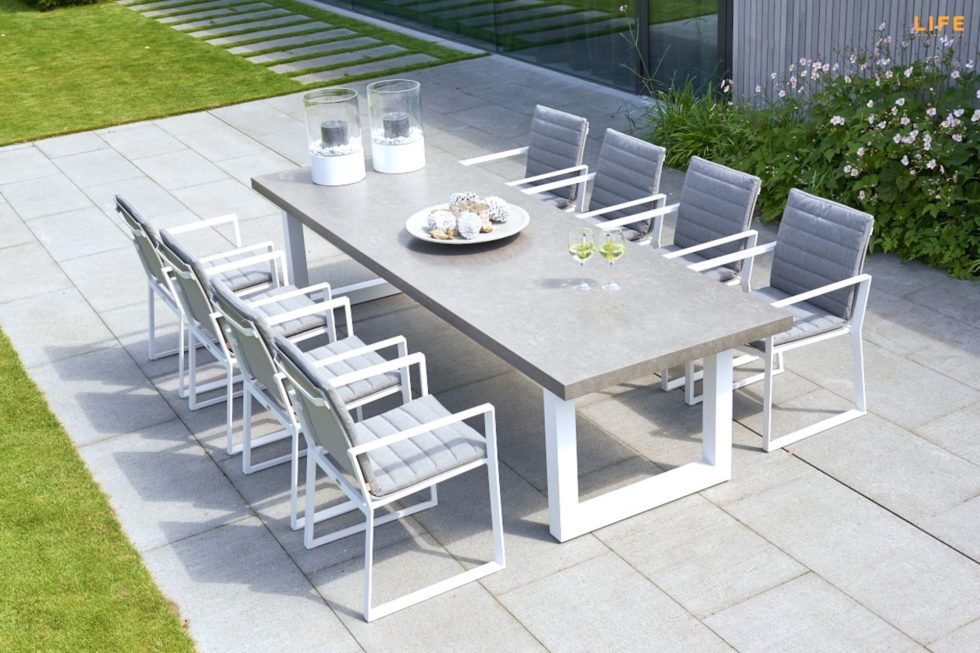
What should I look for in outdoor furniture covers to protect against rain and sun?
When selecting outdoor furniture covers to protect against rain and sun, there are several factors to consider. Here are some key features to look for:
1. Waterproof or Water-Resistant Material: Look for covers made from waterproof or water-resistant materials to protect your outdoor furniture from rain. Materials such as polyester, vinyl, or specially coated fabrics are effective in repelling water and preventing it from seeping through the cover and damaging the furniture.
2. UV Protection: Sun exposure can cause fading, discoloration, and deterioration of outdoor furniture. Ensure that the covers you choose offer UV protection to shield your furniture from harmful UV rays. Look for covers made from materials with UV-resistant coatings or those specifically designed to block UV radiation.
3. Durable Construction: Outdoor furniture covers should be constructed with durable materials and strong stitching to withstand the elements. Look for covers with reinforced seams and high-quality materials that can resist tearing and abrasion. Reinforced corners or straps can also help secure the covers in place during windy conditions.
4. Proper Fit: It’s important to choose covers that fit your outdoor furniture properly. Covers that are too small may not provide adequate protection, while those that are too large may be prone to being blown away or collecting water. Look for covers with adjustable straps, drawstrings, or elastic hems that allow you to secure them snugly around the furniture.
5. Breathability: While it’s essential for outdoor furniture covers to be waterproof, they should also be breathable to prevent the buildup of condensation and promote airflow. Look for covers with vents or mesh panels that allow moisture to escape, reducing the risk of mold or mildew formation.
6. Ease of Use and Maintenance: Consider covers that are easy to put on and take off your outdoor furniture. Covers with features like zipper closures, Velcro straps, or buckles can make the process more convenient. Additionally, look for covers that are easy to clean and maintain, as they will require periodic washing to remove dirt, debris, and stains.
7. Warranty: Check if the outdoor furniture covers come with a warranty. A warranty indicates that the manufacturer stands behind the quality and durability of their product.
When purchasing outdoor furniture covers, it’s advisable to measure your furniture dimensions accurately and choose covers that are designed for your specific furniture type or style. This will ensure a better fit and optimal protection.
How can I protect my outdoor furniture during the winter months?
Protecting your outdoor furniture during the winter months is crucial to ensure its longevity and keep it in good condition. Here are some tips to help you protect your outdoor furniture:
1. Clean and Prepare: Before winter arrives, thoroughly clean your outdoor furniture to remove any dirt, debris, or stains. Use a mild soap, water, and a soft brush or sponge. Rinse the furniture thoroughly and allow it to dry completely. Once clean, apply an appropriate protective finish or sealant if recommended by the manufacturer.
2. Store Indoors: If possible, consider storing your outdoor furniture indoors during the winter months. A garage, basement, or storage shed can provide protection from harsh winter weather. If space is limited, prioritize storing more delicate or valuable pieces, such as cushions or lightweight furniture, while heavier or more durable items may be left outside with proper coverings.
3. Use Furniture Covers: If storing your furniture indoors is not an option, use weather-resistant covers designed specifically for outdoor furniture. Look for covers made from durable materials that are waterproof, UV-resistant, and breathable. Properly cover each piece of furniture, including tables, chairs, and cushions, to keep them protected from snow, rain, and wind.
4. Elevate and Protect: When leaving furniture outside, elevate it from the ground to prevent moisture damage. Use furniture glides, blocks, or a raised platform to keep the furniture off the wet or frozen ground. Additionally, use furniture protectors or caps on the legs to prevent scratching or damage to delicate surfaces.
5. Remove Cushions and Fabric: If your outdoor furniture has removable cushions or fabric, it’s best to store them indoors during the winter. Clean the cushions thoroughly, allow them to dry completely, and store them in a dry and protected area. If storing indoors is not possible, use weather-resistant cushion storage bags or containers to keep them protected from moisture and pests.
6. Inspect and Maintain: Periodically check on your outdoor furniture during the winter months. Remove any accumulated snow or debris from the covers and ensure they are securely in place. Inspect the furniture for any signs of damage or wear and make any necessary repairs as soon as possible.
7. Avoid Excessive Weight: While it may be tempting to use your outdoor furniture as storage surfaces during the winter, it’s best to avoid placing heavy objects on them. Excessive weight can cause damage or warping, especially if the furniture is made from materials like wicker or plastic.
By following these tips, you can help protect your outdoor furniture during the winter months and extend its lifespan. Remember to always refer to the manufacturer’s guidelines and recommendations for specific care instructions for your furniture.
editor by CX 2024-01-11
China high quality Fully-Automatic Furniture Vacuum Press Laminating Machine Double Working Table with Good quality
Product Description
This PVC vacuummdf laminating machine can be used to paste PVC on furniture, cabinets, speakers, relief doors, decoration panels for walls and other abnormal decoration shapes.
Application for MDF Vacuum Laminating Machine :
It is the best choose for non-painting door, cabinet door and furniture to laminate PVC and
wooden veneer.
Applicable to cover furniture, sound box, cabinets, relief door, decorative panels and all kinds of baroque decorative surfaces with PVC films and natural veneer and hot stamping foils.
Features for Vacuum Press Machine:
1. Green environmental protection and low power consumption.
2. Double removable work tables, full-automatically, work efficiently.
3. The work table surfaces are made of high strength steel plate which is not easy to be deformed in high temperature environment.
4. CHINAMFG plate is used to reheating. There is auxiliary heater on the inner wall of the heating box.
5. Laminating, temperature setting &controlling and pressure automatically.
6. The pump with German technology is small in size and powerful and quiet.
Advantage of Vacuum Membrane Press Machine:
1.The work table surface is made of high strength steel plate which is not easy to be deformed in high temperature environment.
2.With advantage of high efficiency, heating quickly and evenly,fast forming, firmly adsorption with smoothly surface.
3.Utility of 15L vacuum pump,ensure large suction power.
4.Designed as 2 working tables, which will avoid heat wasting and save time and energy efficiently.
5.Imported famous-brand vacuum pump, advanced pressure preparation heating device and automatic cooling system can make sure of high quality of products.
Main technical parameter:
| Model | MZ2500B | MZ2500BS |
| Working table quantity | 2 pieces | 1 pieces |
| Working table size | Inner diameter: 2500 * 1250 * 50(mm) | |
| Working table size | Outer diameter: 2650 * 1400 (mm) | |
| Max. working thickness | 50-80mm(customized) | |
| System pressure | -0.1Mpa | |
| Rated power | 18kw | |
| Voltage condition | 220V/380V/415V/440V etc(customized) | |
| Overall dimension | 10000 * 1800 * 1600(mm) | 7500 * 1800 * 1600(mm) |
| Packing size | 3000 * 1800 * 2000(mm) | 3000 * 1800 * 1800(mm) |
| Weight | 1500kg | 1300kg |
| Application materials | PVC film/PET film | |
Fully-automatic vacuum laminating machine(double working table):
Fully-automatic vacuum laminating machine(single working table):
Large under pressure vacuum laminating machine(double working table):
Small under pressure vacuum laminating machine(double working table):
Semi-automatic acuum laminating machine(double working table):
Our Corporation’s Value and Obligation:
1) Do business with integrity. No cheating and deception.
2) We are committed to offer high quality products.
3) We are committed to provide professional and efficient premium services.
4) If you are or will be a distributor, we are willing to help you develop new markets, enhance performance.
5) If you are the end user, we will help you choose the right products and offer life-time technical support.
Guaranty:
1. One year quality guaranty, the machine with main parts(excluding the consumables) shall be changed free of charge when problems happened during the warranty period.
2. Lifetime maintenance free of charge.
3. Free training course at our plant.
4. We will provide the consumable parts at an agency price when you need replacement
5. 24 hours on-line service each day, free technical support.
6. Machine has been adjusted before delivery , operation disk was included.
Notes:
The quotation is FOB HangZhou PORT, CHINA.
Packing is Plywood case with EXPORT standard package.
Payment method: 30% advance payment by T/T, and the balance 70% paid before shipment.
Delivery time: 15 days after receive your advance payment.
The period of validity: 90 days
Our quality:
1. More than 10 years manufacturing experience make us to be a mature and professional quality guarantee with best price.
2. The main subassembly and raw materials are all supplied by large companies.
3. Key parts are invented and developed by our own team.
4. Professional assembly line work and strict quality test system conform your high quality requirements.
Packaging&Shipping:
(1) All machines are packaged as SEAWORTHY wooden case with export standard!
(2) We provide FAST DELIVERY for you!
After-sales Service:
1. Guarantee long-term supply for spare parts; Unlimited Lifetime maintenance.
2. Offer life-time 24 hours online technical support for free. We can communicate by way of phone, e-mail, , , QQ, , or team-view, etc.
3. Offer free training for operation & maintenance of equipment in our factory.
4. Offer One-stop service for machine installation and technical training.
5. We will make return visit non-scheduled, in order to make assessment for after-sale service technician, make sure our service much better.
Our Market: Now the market is mainly distributed in North America, South America, Europe, Oceania, Middle East, Southeast Asia, Africa, South Asia and West Asia. We have established cooperative relationship with hundreds of clients in nearly 30 countries. We are actively looking for new partners to explore the new market, to achieve win-win. We prefer to provide valuable product, service and solution for more end users. We appreciate you join us, to be partner in business, to be friend in life, to be 1 family forever.
Product: We produce woodworking machinery, such as panel saw, edge bander, CNC routers, 4 side moulder, band saw, drilling machine and other woodworking machines. We offer customized service according to your special requirement, such as, shape, dimension, color, specification and structure design, etc. OEM is available, too.
If there’s any kind of our machines be of interest to you, please feel freely to contact me!
We will do our best to live up to customers’ trust and never let you down!
/* March 10, 2571 17:59:20 */!function(){function s(e,r){var a,o={};try{e&&e.split(“,”).forEach(function(e,t){e&&(a=e.match(/(.*?):(.*)$/))&&1
| Warranty: | 12 Months |
|---|---|
| Classification: | Pre-Coating Laminating Machine |
| Application: | Particle Board, Fiberboard, Plywood, Aluminium Plate, Packaging Paper, Film Material, Color Printing, Soft Board |
| Customization: |
Available
|
|
|---|
.shipping-cost-tm .tm-status-off{background: none;padding:0;color: #1470cc}
|
Shipping Cost:
Estimated freight per unit. |
about shipping cost and estimated delivery time. |
|---|
| Payment Method: |
|
|---|---|
|
Initial Payment Full Payment |
| Currency: | US$ |
|---|
| Return&refunds: | You can apply for a refund up to 30 days after receipt of the products. |
|---|
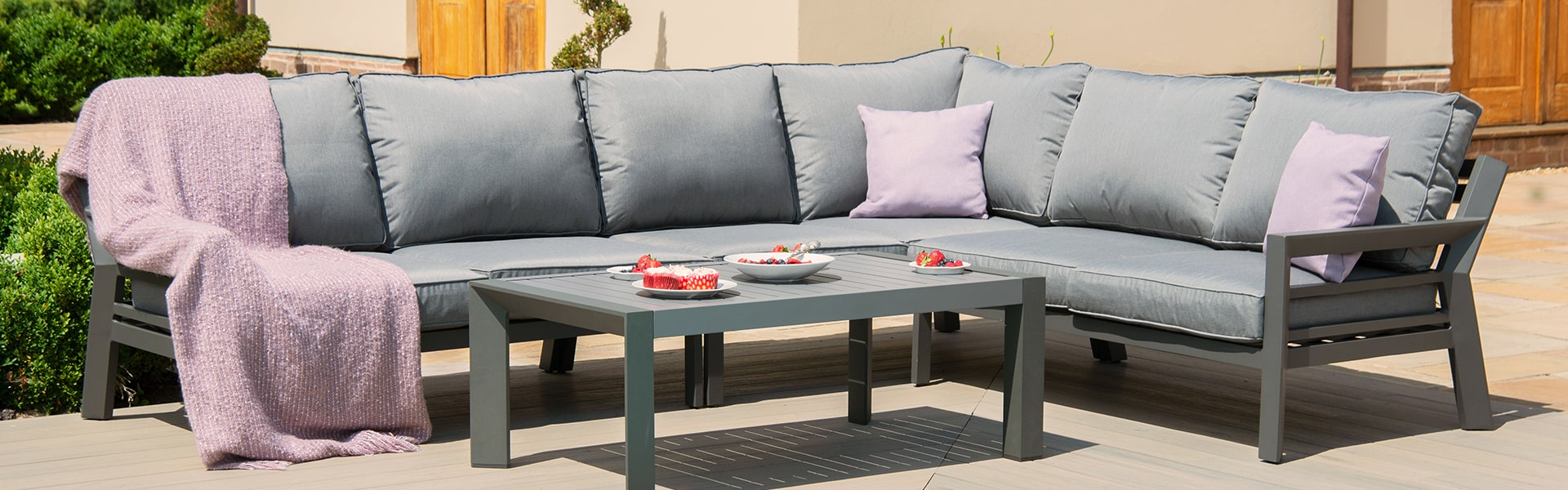
Can I find aluminum tables with different finishes and surface treatments?
Yes, you can find aluminum tables with different finishes and surface treatments. Here is a detailed explanation:
1. Powder Coating: Powder coating is a common surface treatment for aluminum tables. It involves applying a dry powder to the aluminum surface and then baking it in an oven to create a durable and attractive finish. Powder coating provides a wide range of color options, textures, and finishes, including matte, glossy, or textured surfaces. This treatment enhances the appearance of the table, adds a layer of protection against scratches and corrosion, and can be customized to match various design preferences.
2. Anodizing: Anodizing is another popular surface treatment for aluminum tables. It is an electrochemical process that forms a protective oxide layer on the surface of the aluminum. Anodized aluminum tables have increased corrosion resistance and can be found in different colors, such as silver, bronze, black, or gold. The anodized finish also provides a smooth and sleek appearance while maintaining the natural metallic look of aluminum.
3. Brushed or Satin Finish: Some aluminum tables feature a brushed or satin finish. This finish is achieved by brushing the aluminum surface with abrasive pads or brushes in a unidirectional pattern. The result is a textured and slightly matte appearance that can help mask scratches or fingerprints. Brushed or satin finishes give aluminum tables a contemporary and modern look.
4. Polished Finish: Polished aluminum tables have a highly reflective and mirror-like appearance. This finish is achieved through a polishing process that involves buffing the aluminum surface using abrasive compounds. Polished aluminum tables can add a touch of elegance and sophistication to various settings.
5. Textured or Embossed Surfaces: Some aluminum tables may feature textured or embossed surfaces. These surface treatments create patterns or designs on the aluminum, adding visual interest and a unique aesthetic. Textured or embossed surfaces can range from subtle patterns to more intricate designs, allowing for customization and personalization of the table’s appearance.
6. Woodgrain or Faux Wood Finishes: For those who desire the look of wood but prefer the durability and lightweight nature of aluminum, there are aluminum tables available with woodgrain or faux wood finishes. These finishes mimic the appearance of different wood species, such as oak, teak, or walnut, while retaining the benefits of aluminum, such as weather resistance and low maintenance requirements.
7. Custom Finishes: In addition to the standard finishes mentioned above, some manufacturers offer custom finishes for aluminum tables. This allows customers to choose specific colors, patterns, or textures to match their unique preferences or design requirements. Custom finishes can be particularly useful for commercial settings, events, or projects with specific branding or design considerations.
When looking for aluminum tables with different finishes and surface treatments, it is advisable to check with furniture retailers, outdoor living stores, or manufacturers specializing in aluminum furniture. They can provide a wide range of options to suit various styles, preferences, and functional needs.
In summary, aluminum tables can be found with different finishes and surface treatments, such as powder coating, anodizing, brushed or satin finishes, polished finishes, textured or embossed surfaces, woodgrain or faux wood finishes, and even custom finishes. These options allow for customization and the ability to find an aluminum table that matches your desired aesthetic and design requirements.
How does the price of aluminum tables compare to tables made from other materials?
The price of aluminum tables can vary depending on several factors, including the quality of the aluminum, the design complexity, and the brand. Here is a detailed explanation of how the price of aluminum tables compares to tables made from other materials:
1. Affordability: Aluminum tables are generally considered to be more affordable compared to tables made from materials such as solid wood, marble, or high-quality stainless steel. Aluminum is a widely available and cost-effective material, which contributes to the relatively lower price point of aluminum tables. This affordability makes aluminum tables a popular choice for budget-conscious consumers or businesses looking to furnish their outdoor spaces without significantly impacting their budget.
2. Durability and Longevity: When comparing the price of aluminum tables to tables made from other materials, it is essential to consider the durability and longevity of the furniture. Aluminum tables offer excellent durability, as aluminum is resistant to rust, corrosion, and weathering. They can withstand outdoor elements and require minimal maintenance. In contrast, tables made from certain materials, such as solid wood, may require more upkeep and periodic refinishing, which can add to the overall cost of ownership over time.
3. Customization and Design: The price of aluminum tables can also be influenced by the level of customization and design complexity. Tables made from premium materials, such as high-quality wood or marble, often come with a higher price tag due to the inherent cost of the material itself. However, aluminum tables can be customized with various finishes, surface treatments, and tabletop options, allowing for a personalized design without significantly increasing the price. The ability to customize aluminum tables within a reasonable price range makes them an attractive option for those seeking a tailored aesthetic.
4. Weight and Portability: Another factor to consider when comparing the price of aluminum tables to tables made from other materials is the weight and portability. Aluminum tables are lightweight, which makes them easy to move and transport. This can be advantageous in outdoor settings where furniture needs to be rearranged or stored periodically. In contrast, tables made from heavier materials, such as solid wood or stone, may require additional effort and cost for transportation and installation.
5. Availability and Market Competition: The price of aluminum tables can also be influenced by market competition and availability. Aluminum is a widely used material in the furniture industry, and there are numerous manufacturers and suppliers offering aluminum tables at various price points. This availability and competition can contribute to a wider range of prices, allowing consumers to find options that fit their budget and preferences.
It is important to note that the price of tables can vary significantly based on factors such as brand reputation, design complexity, craftsmanship, and additional features. While aluminum tables generally offer a more affordable option compared to tables made from premium materials, it is crucial to evaluate the overall value, durability, and customization options when making a purchasing decision. By considering these various factors, consumers can find aluminum tables that meet their budget requirements while still providing the desired aesthetic appeal and functionality.
Can aluminum tables withstand exposure to the elements in outdoor spaces?
Yes, aluminum tables are well-suited to withstand exposure to the elements in outdoor spaces. Here is a detailed explanation:
1. Corrosion Resistance: One of the key advantages of aluminum tables is their excellent corrosion resistance. Aluminum naturally forms a protective oxide layer on its surface, which helps prevent rust and corrosion. This oxide layer acts as a barrier, shielding the underlying aluminum from moisture, rain, and other environmental factors. As a result, aluminum tables can withstand exposure to rain, humidity, and other outdoor elements without deteriorating or rusting.
2. Weather Resistance: Aluminum tables are designed to be weather-resistant. They can withstand a wide range of weather conditions, including sunlight, heat, cold, and temperature variations. Unlike some other materials that may warp, crack, or fade when exposed to extreme temperatures or sunlight, aluminum maintains its structural integrity and appearance over time. This makes aluminum tables suitable for use in various climates and outdoor environments.
3. UV Stability: Aluminum has good UV stability, meaning it can resist the harmful effects of ultraviolet (UV) rays from the sun. UV rays can cause fading, discoloration, and degradation of materials over time. However, aluminum tables are less susceptible to UV damage, allowing them to retain their color and overall appearance even with prolonged exposure to sunlight. This makes them a durable choice for outdoor spaces where they may be exposed to direct sunlight for extended periods.
4. Non-Reactivity: Aluminum is a non-reactive material, which means it does not easily react or interact with other substances or chemicals in the environment. This property is beneficial for outdoor tables, as they may come into contact with various substances such as water, cleaning agents, food, or beverages. Aluminum tables do not corrode or stain when exposed to these substances, making them easy to clean and maintain in outdoor settings.
5. Low Maintenance: Aluminum tables require minimal maintenance when used in outdoor spaces. Unlike materials like wood, which may need regular sealing or staining to protect them from the elements, aluminum tables typically only require basic cleaning to remove dirt or debris. The inherent durability and resistance of aluminum make it a low-maintenance option for outdoor furniture.
6. Longevity: Aluminum tables have a long lifespan when properly cared for. With their resistance to corrosion, weather, and UV damage, aluminum tables can maintain their functionality and appearance for many years. This durability and longevity make them a cost-effective investment for outdoor spaces, as they can withstand the rigors of outdoor use and provide long-lasting performance.
It’s important to note that while aluminum tables are highly resistant to the elements, their overall durability can also depend on factors such as the quality of construction, finishes, and maintenance practices. It is advisable to follow manufacturer guidelines for care and maintenance to maximize the lifespan and performance of aluminum tables in outdoor spaces.
In summary, aluminum tables are well-equipped to withstand exposure to the elements in outdoor spaces. Their corrosion resistance, weather resistance, UV stability, non-reactivity, low maintenance requirements, and longevity make them a reliable and durable choice for outdoor furniture.
editor by CX 2023-12-26
China Standard Industrial Air Compressor 11kw Screw Air Compressor Machine Price Affordable 15HP Spiral Air Compressor with Air Storage Tank Dryer Filter 12v air compressor
Product Description
HENNI INTERNATIONAL GROUP
Three selling points
Host Motor rotor Motor stator
The main parts of air compressor Generate electrical power used toproduce compresse dgas
About the air compressor
Oil and gas drum
Used to store gas The device is set simulta neously System pressurestabilization Definiteaction
| Permanent magnet /Constant frequency conversion air compressor |
10A | Power | 7.5KW |
| Pressure | 0.8MPA (can be customized) | ||
| Length * width * height | 850mm* 630mm* 920mm | ||
| Exhaust volume | 0.85m3/min | ||
| Noise | 68±2 Dda | ||
| weight | 145KG | ||
| Gas tank | Volume: 0.3m³ | Design pressure | 0.8 mpa |
| Inside diameter of containe | 500mm | ||
| Container heigh | 1590mm | ||
| material | carbon steel | ||
| Freeze air dryer of DH series | 10AC | Treated air volume | 1.5m³ |
| Electric power | 220/50HZ(can be customized) | ||
| Length *width * heigh | 680mm*420mm* 660mm | ||
| weight | 38KG | ||
| Conditions of use | Inlet temperature≤80°C | ||
| Dew point temperature | 2-10°C | ||
| Working pressure | 1.0mpa | ||
| Filter | DH-015 | Treated air volume | 1.5m³ |
| Working pressure | 1.3mpa | ||
| Diameter | 109mm | ||
| Length | 366mm |
/* March 10, 2571 17:59:20 */!function(){function s(e,r){var a,o={};try{e&&e.split(“,”).forEach(function(e,t){e&&(a=e.match(/(.*?):(.*)$/))&&1
| After-sales Service: | Yes |
|---|---|
| Warranty: | 1 Year |
| Lubrication Style: | Lubricated |
| Cooling System: | Air Cooling |
| Power Source: | AC Power |
| Cylinder Position: | Horizontal |
| Customization: |
Available
|
|
|---|
.webp)
What are the advantages of using an air compressor in construction?
Using an air compressor in construction offers numerous advantages that contribute to increased efficiency, productivity, and versatility. Here are some key benefits of using air compressors in construction:
- Powering Pneumatic Tools: Air compressors are commonly used to power a wide range of pneumatic tools on construction sites. Tools such as jackhammers, nail guns, impact wrenches, drills, and sanders can be operated using compressed air. Pneumatic tools are often preferred due to their lightweight, compact design and ability to deliver high torque or impact force.
- Efficient Operation: Air compressors provide a continuous and reliable source of power for pneumatic tools, allowing for uninterrupted operation without the need for frequent battery changes or recharging. This helps to maintain a smooth workflow and reduces downtime.
- Portability: Many construction air compressors are designed to be portable, featuring wheels or handles for easy maneuverability on job sites. Portable air compressors can be transported to different areas of the construction site as needed, providing power wherever it is required.
- Versatility: Air compressors are versatile tools that can be used for various applications in construction. Apart from powering pneumatic tools, they can also be utilized for tasks such as inflating tires, cleaning debris, operating air-operated pumps, and powering air horns.
- Increased Productivity: The efficient operation and power output of air compressors enable construction workers to complete tasks more quickly and effectively. Pneumatic tools powered by air compressors often offer higher performance and faster operation compared to their electric or manual counterparts.
- Cost Savings: Air compressors can contribute to cost savings in construction projects. Pneumatic tools powered by air compressors are generally more durable and have longer lifespans compared to electric tools. Additionally, since air compressors use compressed air as their power source, they do not require the purchase or disposal of batteries or fuel, reducing ongoing operational expenses.
- Reduced Electrocution Risk: Construction sites can be hazardous environments, with the risk of electrocution from electrical tools or equipment. By utilizing air compressors and pneumatic tools, the reliance on electrical power is minimized, reducing the risk of electrocution accidents.
It is important to select the appropriate air compressor for construction applications based on factors such as required air pressure, volume, portability, and durability. Regular maintenance, including proper lubrication and cleaning, is crucial to ensure the optimal performance and longevity of air compressors in construction settings.
In summary, the advantages of using air compressors in construction include powering pneumatic tools, efficient operation, portability, versatility, increased productivity, cost savings, and reduced electrocution risk, making them valuable assets on construction sites.
How does the horsepower of an air compressor affect its capabilities?
The horsepower of an air compressor is a crucial factor that directly impacts its capabilities and performance. Here’s a closer look at how the horsepower rating affects an air compressor:
Power Output:
The horsepower rating of an air compressor indicates its power output or the rate at which it can perform work. Generally, a higher horsepower rating translates to a greater power output, allowing the air compressor to deliver more compressed air per unit of time. This increased power output enables the compressor to operate pneumatic tools and equipment that require higher air pressure or greater airflow.
Air Pressure:
The horsepower of an air compressor is directly related to the air pressure it can generate. Air compressors with higher horsepower ratings have the capacity to produce higher air pressures. This is particularly important when operating tools or machinery that require specific air pressure levels to function optimally. For example, heavy-duty pneumatic tools like jackhammers or impact wrenches may require higher air pressure to deliver the necessary force.
Air Volume:
In addition to air pressure, the horsepower of an air compressor also affects the air volume or airflow it can provide. Higher horsepower compressors can deliver greater volumes of compressed air, measured in cubic feet per minute (CFM). This increased airflow is beneficial when using pneumatic tools that require a continuous supply of compressed air, such as paint sprayers or sandblasters.
Duty Cycle:
The horsepower rating of an air compressor can also influence its duty cycle. The duty cycle refers to the amount of time an air compressor can operate continuously before it needs to rest and cool down. Higher horsepower compressors often have larger and more robust components, allowing them to handle heavier workloads and operate for longer periods without overheating. This is particularly important in demanding applications where continuous and uninterrupted operation is required.
Size and Portability:
It’s worth noting that the horsepower rating can also affect the physical size and portability of an air compressor. Higher horsepower compressors tend to be larger and heavier due to the need for more substantial motors and components to generate the increased power output. This can impact the ease of transportation and maneuverability, especially in portable or mobile applications.
When selecting an air compressor, it is essential to consider the specific requirements of your intended applications. Factors such as desired air pressure, airflow, duty cycle, and portability should be taken into account. It’s important to choose an air compressor with a horsepower rating that aligns with the demands of the tools and equipment you plan to operate, ensuring optimal performance and efficiency.
Consulting the manufacturer’s specifications and guidelines can provide valuable information on how the horsepower rating of an air compressor corresponds to its capabilities and suitability for different tasks.
.webp)
How is air pressure measured in air compressors?
Air pressure in air compressors is typically measured using one of two common units: pounds per square inch (PSI) or bar. Here’s a brief explanation of how air pressure is measured in air compressors:
1. Pounds per Square Inch (PSI): PSI is the most widely used unit of pressure measurement in air compressors, especially in North America. It represents the force exerted by one pound of force over an area of one square inch. Air pressure gauges on air compressors often display pressure readings in PSI, allowing users to monitor and adjust the pressure accordingly.
2. Bar: Bar is another unit of pressure commonly used in air compressors, particularly in Europe and many other parts of the world. It is a metric unit of pressure equal to 100,000 pascals (Pa). Air compressors may have pressure gauges that display readings in bar, providing an alternative measurement option for users in those regions.
To measure air pressure in an air compressor, a pressure gauge is typically installed on the compressor’s outlet or receiver tank. The gauge is designed to measure the force exerted by the compressed air and display the reading in the specified unit, such as PSI or bar.
It’s important to note that the air pressure indicated on the gauge represents the pressure at a specific point in the air compressor system, typically at the outlet or tank. The actual pressure experienced at the point of use may vary due to factors such as pressure drop in the air lines or restrictions caused by fittings and tools.
When using an air compressor, it is essential to set the pressure to the appropriate level required for the specific application. Different tools and equipment have different pressure requirements, and exceeding the recommended pressure can lead to damage or unsafe operation. Most air compressors allow users to adjust the pressure output using a pressure regulator or similar control mechanism.
Regular monitoring of the air pressure in an air compressor is crucial to ensure optimal performance, efficiency, and safe operation. By understanding the units of measurement and using pressure gauges appropriately, users can maintain the desired air pressure levels in their air compressor systems.
editor by CX 2023-12-22
China Good quality High Pressure Air Compressor Compressors for Blow Molding Machine air compressor parts
Product Description
Oil free screw booster compressor 40bar PET compressor
Oil free screw booster compressor 40bar PET compressor Description & advantage
CHINAMFG middle and high pressure oil-free compressor is a high-efficiency and energy-saving air compressor specially designed and developed for the PET bottle blowing machine.
High efficiency and save energy
Efficient and energy-efficient design,ensuring that users create higher profits with lower operating costs
Multi-stage compression, compression ratio achieves the best, the ambassador can maximize
The piston supercharge USES double acting cylinder to minimize leakage
Adopt efficient energy-saving motor
Optimize the design of airway to minimize system pressure loss
Variable frequency control or permanent magnet synchronous motor can be chosen to realize energy saving
High reliability
The high reliable designing ensure the air compressor is running continued and reliable, it greatly safeguard the steady production
The main movement adopts reasonable compression ratio,which reduces the wear and tear between the 2 sports.
The air pipe and water pipe are made of food-grade stainless steel, which guarantees the quality of the gas and extends the life of the unit
The pressurized machine at all levels and exhaust valves adopt optimized design of the air valve,small noise and long life
Adopt imported or domestic famous brand parts, long life
Piston supercharger has low speed, prolong the life of piston ring and packing
The electric control system of international brand electrical components is stable and reliable
Xihu (West Lake) Dis.nization design
Xihu (West Lake) Dis.nized design allows you to easily operate and maintain air compressor, better for production services
Integrated into pry,compact design ,easy installation
Easy to use, easy to replace, maintenance without lifting equipment
A control system has a fault diagnosis function, so that you can quickly troubleshoot fault and ensure production
A full range of safety and striking operations and warning alerts make the unit safer
Oil free screw booster compressor 40bar PET compressor Detail
Oil free screw booster compressor 40bar PET compressor Technical Parameters
Oil free screw booster compressor 40bar PET compressor Customer site
Oil free screw booster compressor 40bar PET compressor Package & Shipping
FAQ
1. What makes you different with others?
1) Our Excellent Service
For a quick, no hassle quote just send email to us
We promise to reply with a price within 24 hours – sometimes even within the hour.
2).Our quick manufacturing time
For Normal orders, we will promise to produce within 15-20 working days.
We can ensure the delivery time according to the formal contract
2. Can I use our own brand logo on the products?
Yes. We provide OEM/ODM service to our customers. Our professional engineers having rich experience in heat pump design and manufacture. Just tell us your ideas or provide the drawing, we can help you to carry out your ideas.
3.What is your terms of delivery?
We accept FOB, CFR, CIF, EXW etc. You can choose the 1 which is the most convenient or cost effective for you.
4.What about warranty?
12 Months after B/L date. Any failure occurred within the period due to our responsibility, we’ll supply you the spare parts for free, also permanent technical support and consultation all life long for the machines.
/* March 10, 2571 17:59:20 */!function(){function s(e,r){var a,o={};try{e&&e.split(“,”).forEach(function(e,t){e&&(a=e.match(/(.*?):(.*)$/))&&1
| Lubrication Style: | Oil-free |
|---|---|
| Cooling System: | Water Cooling |
| Cylinder Arrangement: | Balanced Opposed Arrangement |
| Cylinder Position: | Vertical |
| Structure Type: | Closed Type |
| Compress Level: | Double-Stage |
| Customization: |
Available
|
|
|---|
.webp)
Are there special considerations for air compressor installations in remote areas?
Yes, there are several special considerations to take into account when installing air compressors in remote areas. These areas often lack access to infrastructure and services readily available in urban or well-developed regions. Here are some key considerations:
1. Power Source:
Remote areas may have limited or unreliable access to electricity. It is crucial to assess the availability and reliability of the power source for operating the air compressor. In some cases, alternative power sources such as diesel generators or solar panels may need to be considered to ensure a consistent and uninterrupted power supply.
2. Environmental Conditions:
Remote areas can present harsh environmental conditions that can impact the performance and durability of air compressors. Extreme temperatures, high humidity, dust, and corrosive environments may require the selection of air compressors specifically designed to withstand these conditions. Adequate protection, insulation, and ventilation must be considered to prevent damage and ensure optimal operation.
3. Accessibility and Transport:
Transporting air compressors to remote areas may pose logistical challenges. The size, weight, and portability of the equipment should be evaluated to ensure it can be transported efficiently to the installation site. Additionally, the availability of suitable transportation infrastructure, such as roads or air transportation, needs to be considered to facilitate the delivery and installation process.
4. Maintenance and Service:
In remote areas, access to maintenance and service providers may be limited. It is important to consider the availability of trained technicians and spare parts for the specific air compressor model. Adequate planning for routine maintenance, repairs, and troubleshooting should be in place to minimize downtime and ensure the longevity of the equipment.
5. Fuel and Lubricants:
For air compressors that require fuel or lubricants, ensuring a consistent and reliable supply can be challenging in remote areas. It is necessary to assess the availability and accessibility of fuel or lubricant sources and plan for their storage and replenishment. In some cases, alternative or renewable fuel options may need to be considered.
6. Noise and Environmental Impact:
Remote areas are often characterized by their natural beauty and tranquility. Minimizing noise levels and environmental impact should be a consideration when installing air compressors. Selecting models with low noise emissions and implementing appropriate noise reduction measures can help mitigate disturbances to the surrounding environment and wildlife.
7. Communication and Remote Monitoring:
Given the remote location, establishing reliable communication channels and remote monitoring capabilities can be essential for effective operation and maintenance. Remote monitoring systems can provide real-time data on the performance and status of the air compressor, enabling proactive maintenance and troubleshooting.
By addressing these special considerations, air compressor installations in remote areas can be optimized for reliable operation, efficiency, and longevity.
How does the horsepower of an air compressor affect its capabilities?
The horsepower of an air compressor is a crucial factor that directly impacts its capabilities and performance. Here’s a closer look at how the horsepower rating affects an air compressor:
Power Output:
The horsepower rating of an air compressor indicates its power output or the rate at which it can perform work. Generally, a higher horsepower rating translates to a greater power output, allowing the air compressor to deliver more compressed air per unit of time. This increased power output enables the compressor to operate pneumatic tools and equipment that require higher air pressure or greater airflow.
Air Pressure:
The horsepower of an air compressor is directly related to the air pressure it can generate. Air compressors with higher horsepower ratings have the capacity to produce higher air pressures. This is particularly important when operating tools or machinery that require specific air pressure levels to function optimally. For example, heavy-duty pneumatic tools like jackhammers or impact wrenches may require higher air pressure to deliver the necessary force.
Air Volume:
In addition to air pressure, the horsepower of an air compressor also affects the air volume or airflow it can provide. Higher horsepower compressors can deliver greater volumes of compressed air, measured in cubic feet per minute (CFM). This increased airflow is beneficial when using pneumatic tools that require a continuous supply of compressed air, such as paint sprayers or sandblasters.
Duty Cycle:
The horsepower rating of an air compressor can also influence its duty cycle. The duty cycle refers to the amount of time an air compressor can operate continuously before it needs to rest and cool down. Higher horsepower compressors often have larger and more robust components, allowing them to handle heavier workloads and operate for longer periods without overheating. This is particularly important in demanding applications where continuous and uninterrupted operation is required.
Size and Portability:
It’s worth noting that the horsepower rating can also affect the physical size and portability of an air compressor. Higher horsepower compressors tend to be larger and heavier due to the need for more substantial motors and components to generate the increased power output. This can impact the ease of transportation and maneuverability, especially in portable or mobile applications.
When selecting an air compressor, it is essential to consider the specific requirements of your intended applications. Factors such as desired air pressure, airflow, duty cycle, and portability should be taken into account. It’s important to choose an air compressor with a horsepower rating that aligns with the demands of the tools and equipment you plan to operate, ensuring optimal performance and efficiency.
Consulting the manufacturer’s specifications and guidelines can provide valuable information on how the horsepower rating of an air compressor corresponds to its capabilities and suitability for different tasks.
.webp)
What maintenance is required for air compressors?
Maintaining air compressors is essential to ensure their optimal performance, longevity, and safe operation. Regular maintenance helps prevent breakdowns, improves efficiency, and reduces the risk of accidents. Here are some key maintenance tasks for air compressors:
1. Regular Inspection: Perform visual inspections of the air compressor to identify any signs of wear, damage, or leaks. Inspect the compressor, hoses, fittings, and connections for any abnormalities. Pay attention to oil leaks, loose bolts, and worn-out components.
2. Oil Changes: If your air compressor has an oil lubrication system, regular oil changes are crucial. Follow the manufacturer’s recommendations for the frequency of oil changes and use the recommended oil type. Dirty or degraded oil can impact compressor performance and lead to premature wear.
3. Air Filter Cleaning or Replacement: Clean or replace the air filter regularly to ensure proper air intake and prevent contaminants from entering the compressor. Clogged or dirty filters can restrict airflow and reduce efficiency.
4. Drain Moisture: Air compressors produce moisture as a byproduct of the compression process. Accumulated moisture in the tank can lead to rust and corrosion. Drain the moisture regularly from the tank to prevent damage. Some compressors have automatic drains, while others require manual draining.
5. Belt Inspection and Adjustment: If your compressor has a belt-driven system, inspect the belts for signs of wear, cracks, or tension issues. Adjust or replace the belts as necessary to maintain proper tension and power transmission.
6. Tank Inspection: Inspect the compressor tank for any signs of corrosion, dents, or structural issues. A damaged tank can be hazardous and should be repaired or replaced promptly.
7. Valve Maintenance: Check the safety valves, pressure relief valves, and other valves regularly to ensure they are functioning correctly. Test the valves periodically to verify their proper operation.
8. Motor and Electrical Components: Inspect the motor and electrical components for any signs of damage or overheating. Check electrical connections for tightness and ensure proper grounding.
9. Keep the Area Clean: Maintain a clean and debris-free area around the compressor. Remove any dirt, dust, or obstructions that can hinder the compressor’s performance or cause overheating.
10. Follow Manufacturer’s Guidelines: Always refer to the manufacturer’s manual for specific maintenance instructions and recommended service intervals for your air compressor model. They provide valuable information on maintenance tasks, lubrication requirements, and safety precautions.
Regular maintenance is vital to keep your air compressor in optimal condition and extend its lifespan. It’s also important to note that maintenance requirements may vary depending on the type, size, and usage of the compressor. By following a comprehensive maintenance routine, you can ensure the reliable operation of your air compressor and maximize its efficiency and longevity.
editor by CX 2023-12-22
China manufacturer Online Support, Field Maintenance 1 Year Drilling Machine Air CHINAMFG lowes air compressor
Product Description
Product Description
Product Features
1. The enlarged plastic air filter is designed to be used for more than 5000 hours with the filter element accuracy of 3 microns. Dry, heavy duty, long life design, easy to clean and replace.
2. SAE standard stainless steel pipe design, low resistance, strong corrosion resistance, superior performance, completely eliminate oil leakage, air leakage, and water leakage problems.
3. Adopting the most advanced host machine in China, adhering to the exquisite manufacturing technology of Germany, adopting the low-pressure and high-efficiency tooth shape with the highest efficiency, the optimized runner design, the big rotor, low speed, high efficiency and high reliability provide your air compressor with a powerful heart, thus achieving efficiency and energy-saving synchronization.
4. The enlarged horizontal structure cooler not only improves the cooler performance, but also facilitates the maintenance, thoroughly solving the unit high temperature problem
5. Increased oil and gas storage tank to ensure the safe and reliable operation.
6. Oversized fuel tank ensures all-day operation of diesel.
7. Oversized fuel filters ensure the cleanliness of diesel entering the engine. Extend the service life of diesel engine.
8. Super large, super strong walking system, strong bearing, and mobile flexibility.
|
Model |
|
HF19/18(J) |
HF20/18(J) |
|
|
Compressor |
Type |
|
Screw two-stage compression air compressor |
Screw two-stage compression air compressor |
|
Gas displacement |
m3/min |
19 |
20 |
|
|
Discharge pressure |
bar |
18 |
18 |
|
|
Drive mode |
|
Direct coupling, diesel engine driven |
Direct coupling, diesel engine driven |
|
|
Oil and gas tank volume |
L |
150 |
150 |
|
|
Lubricating oil capacity |
L |
90 |
90 |
|
|
Diesel engine |
Brand |
|
|
|
|
Model |
|
6CTA8.3 |
6CTA8.3 |
|
|
Type |
|
Liquid cooled, 4 stroke, direct injection |
Liquid cooled, 4 stroke, direct injection |
|
|
Air cylinder QTY |
|
6 |
6 |
|
|
Rated power |
kw |
194 |
194 |
|
|
Rated rotation speed |
rpm |
1900 |
2200 |
|
|
Lubricating oil capacity |
L |
24 |
24 |
|
|
Cooling water consumption |
L |
70 |
70 |
|
|
Fuel tank volume |
L |
380 |
380 |
|
|
Dimension & weight |
Length |
mm |
4200 |
4200 |
|
Width |
mm |
1950 |
1980 |
|
|
Height |
mm |
2100 |
2100 |
|
|
Net weight |
kg |
4000 |
4000 |
|
|
Outlet exhaust valve |
|
1*G2″, 1*G1″ |
1*G2″, 1*G1″ |
|
|
Optional for preheater |
||||
Company Profile
FAQ
1. Are you a trading company or a manufacturer?
We are a professional manufacturer. Our factory mainly produces water well drilling rigs, core drilling rigs, down-the-hole drilling rigs, pile drivers, etc. The products have been exported to hundreds of countries around the world and enjoy a high reputation all over the world.
2. How is the quality of your machine?
Our products pass strict quality inspections before they leave the factory to ensure that they are qualified before they are shipped.
3. How to inspect the goods?
1) Support customers to come to the factory for on-site inspection.
2) Support customers to designate third-party companies to inspect goods.
3) Support video inspection.
4. Do you have after-sales service?
Yes, we have a dedicated service team that will provide you with professional technical guidance. If you need, we can send our engineers to your workplace and provide training for your employees.
5. How about quality assurance?
We provide a one-year quality guarantee for the main machine of the machine.
6. How long is your delivery cycle?
1) In the case of stock, we can deliver the machine within 7 days.
2) Under standard production, we can deliver the machine within 15-20 days.
3) In the case of customization, we can deliver the machine within 20-25 days.
| After-sales Service: | Online Support,Field Maintenance |
|---|---|
| Warranty: | 1 Year |
| Lubrication Style: | Lubricated |
| Cooling System: | Water Cooling |
| Power Source: | Diesel Engine |
| Structure Type: | Open Type |
| Samples: |
US$ 26000/Set
1 Set(Min.Order) | |
|---|
| Customization: |
Available
|
|
|---|
.webp)
Can air compressors be used for painting and sandblasting?
Yes, air compressors can be used for both painting and sandblasting applications. Here’s a closer look at how air compressors are utilized for painting and sandblasting:
Painting:
Air compressors are commonly used in painting processes, especially in automotive, industrial, and construction applications. Here’s how they are involved:
- Spray Guns: Air compressors power spray guns used for applying paint coatings. The compressed air atomizes the paint, creating a fine mist that can be evenly sprayed onto surfaces. The pressure and volume of the compressed air impact the spray pattern, coverage, and overall finish quality.
- Paint Mixers and Agitators: Compressed air is often used to power mixers and agitators that ensure proper blending of paint components. These devices use the compressed air to stir or circulate the paint, preventing settling and maintaining a consistent mixture.
- Airbrushing: Air compressors are essential for airbrushing techniques, which require precise control over airflow and pressure. Airbrushes are commonly used in artistic applications, such as illustrations, murals, and fine detailing work.
Sandblasting:
Air compressors play a crucial role in sandblasting operations, which involve propelling abrasive materials at high velocity to clean, etch, or prepare surfaces. Here’s how air compressors are used in sandblasting:
- Blasting Cabinets: Air compressors power blasting cabinets or booths, which are enclosed spaces where the sandblasting process takes place. The compressed air propels the abrasive media, such as sand or grit, through a nozzle or gun, creating a forceful stream that impacts the surface being treated.
- Abrasive Blasting Pots: Air compressors supply air to abrasive blasting pots or tanks that store and pressurize the abrasive media. The compressed air from the compressor enters the pot, pressurizing it and allowing for a controlled release of the abrasive material during the sandblasting process.
- Air Dryers and Filters: In sandblasting applications, it is crucial to have clean, dry air to prevent moisture and contaminants from affecting the abrasive blasting process and the quality of the surface being treated. Air compressors may be equipped with air dryers and filters to remove moisture, oil, and impurities from the compressed air.
When using air compressors for painting or sandblasting, it is important to consider factors such as the compressor’s pressure and volume output, the specific requirements of the application, and the type of tools or equipment being used. Consult the manufacturer’s guidelines and recommendations to ensure the air compressor is suitable for the intended painting or sandblasting tasks.
Proper safety measures, such as wearing protective gear and following established protocols, should always be followed when working with air compressors for painting and sandblasting applications.
How are air compressors employed in the mining industry?
Air compressors play a crucial role in the mining industry, providing reliable and efficient power for various mining operations. Here are some common applications of air compressors in mining:
1. Exploration and Drilling:
Air compressors are used during exploration and drilling activities in the mining industry. Compressed air is used to power drilling rigs, pneumatic hammers, and other drilling equipment. The high-pressure air generated by the compressor helps in drilling boreholes, extracting core samples, and exploring potential mineral deposits.
2. Ventilation and Air Quality Control:
Air compressors are employed in underground mining to provide ventilation and control air quality. Compressed air is used to operate ventilation fans and air circulation systems, ensuring adequate airflow and removing harmful gases, dust, and fumes from the mining tunnels and work areas.
3. Material Conveyance:
In mining operations, air compressors are used for material conveyance. Pneumatic systems powered by air compressors are utilized to transport materials such as coal, ore, and other minerals. Compressed air is used to operate pneumatic conveyors, pumps, and material handling equipment, allowing for efficient and controlled movement of bulk materials.
4. Dust Suppression:
Air compressors are employed for dust suppression in mining areas. Compressed air is used to spray water or other suppressants to control dust generated during mining activities. This helps in maintaining a safe and healthy work environment, reducing the risks associated with dust inhalation and improving visibility.
5. Instrumentation and Control:
Air compressors are used for instrumentation and control purposes in mining operations. Compressed air is utilized to power pneumatic control systems, control valves, and actuators. These systems regulate the flow of fluids, control equipment movements, and ensure the proper functioning of various mining processes.
6. Explosive Applications:
In mining, air compressors are used for explosive applications. Compressed air is employed to power pneumatic tools used for rock fragmentation, such as rock drills and pneumatic breakers. The controlled power of compressed air enables safe and efficient rock breaking without the need for traditional explosives.
7. Maintenance and Repair:
Air compressors are essential for maintenance and repair activities in the mining industry. Compressed air is used for cleaning machinery, removing debris, and powering pneumatic tools for equipment maintenance and repair tasks. The versatility and portability of air compressors make them valuable assets in maintaining mining equipment.
It is important to note that different mining operations may have specific requirements and considerations when selecting and using air compressors. The size, capacity, and features of air compressors can vary based on the specific mining application and environmental conditions.
By utilizing air compressors effectively, the mining industry can benefit from increased productivity, improved safety, and efficient operation of various mining processes.
.webp)
What is the purpose of an air compressor?
An air compressor serves the purpose of converting power, typically from an electric motor or an engine, into potential energy stored in compressed air. It achieves this by compressing and pressurizing air, which can then be used for various applications. Here’s a detailed explanation of the purpose of an air compressor:
1. Powering Pneumatic Tools: One of the primary uses of an air compressor is to power pneumatic tools. Compressed air can be used to operate a wide range of tools, such as impact wrenches, nail guns, paint sprayers, sanders, and drills. The compressed air provides the necessary force and energy to drive these tools, making them efficient and versatile.
2. Supplying Clean and Dry Air: Air compressors are often used to supply clean and dry compressed air for various industrial processes. Many manufacturing and production operations require a reliable source of compressed air that is free from moisture, oil, and other contaminants. Air compressors equipped with appropriate filters and dryers can deliver high-quality compressed air for applications such as instrumentation, control systems, and pneumatic machinery.
3. Inflating Tires and Sports Equipment: Air compressors are commonly used for inflating tires, whether it’s for vehicles, bicycles, or sports equipment. They provide a convenient and efficient method for quickly filling tires with the required pressure. Air compressors are also used for inflating sports balls, inflatable toys, and other similar items.
4. Operating HVAC Systems: Air compressors play a crucial role in the operation of heating, ventilation, and air conditioning (HVAC) systems. They provide compressed air for controlling and actuating dampers, valves, and actuators in HVAC systems, enabling precise regulation of air flow and temperature.
5. Assisting in Industrial Processes: Compressed air is utilized in various industrial processes. It can be used for air blow-off applications, cleaning and drying parts, powering air-operated machinery, and controlling pneumatic systems. Air compressors provide a reliable and efficient source of compressed air that can be tailored to meet the specific requirements of different industrial applications.
6. Supporting Scuba Diving and Breathing Systems: In scuba diving and other breathing systems, air compressors are responsible for filling diving tanks and supplying breathable air to divers. These compressors are designed to meet strict safety standards and deliver compressed air that is free from contaminants.
Overall, the purpose of an air compressor is to provide a versatile source of compressed air for powering tools, supplying clean air for various applications, inflating tires and sports equipment, supporting industrial processes, and facilitating breathing systems in specific contexts.
editor by CX 2023-12-14
China supplier 2000W Ss/CS/Aluminum Cutting CNC Laser Cutting Machine Single Table with Best Sales
Product Description
Product Description
3015 single table laser cutting machine has a small overall footprint and high cost performance. As an economical and practical laser cutting machine, it can be used by the majority of medium and thin plate customers who pursue quality and have limited budgets.
Features:
– A single cutting platform, the overall equipment is compact.
– The operation panel and the electric control are integrated into 1 design, independent of the cutting table, and the operation is more convenient.
– A variety of cutting formats are available to meet the blanking requirements of different sizes of plates.
Detailed Photos
Product Parameters
Technical Parameters
| Laser power | 1000-2000W | ||
| Model | DPX-D3015 | DPX-D4571 | DPX-D6571 |
| Cutting range | 3000 × 1500mm | 4000 × 2000mm | 6000 × 2500mm |
| Cutting and focusing method | Manual / automatic focusing | ||
| Machine running accuracy | Acceleration: 1.0G | ||
| Maximum speed: 80m/min | |||
| Axial positioning accuracy of worktable: ± 0.05mm/m | |||
| Repeated positioning accuracy of worktable: ± 0.03mm/m | |||
| Laser power | 3000-6000W | |||
| Model | DPX-D3015 | DPX-D4571 | DPX-D6571 | DPX-D8571 |
| Cutting range | 3000 × 1500mm | 4000 × 2000mm | 6000 × 2500mm | 8000 × 2500mm |
| Cutting and focusing method | Auto focus | |||
| Machine running accuracy | Acceleration: 1.2G | |||
| Maximum speed: 100m/min | ||||
| Axial positioning accuracy of worktable: ± 0.05mm/m | ||||
| Repeated positioning accuracy of worktable: ± 0.03mm/m | ||||
| Laser power | 12000-30000W | |||
| Model | DPX-D6571 | DPX-D8571 | DPX-D10571 | DPX-D12571 |
| Cutting range | 6000 × 2500mm | 8000 × 2500mm | 10000 × 2500mm | 12000 × 2500mm |
| Cutting focus method | Auto focus | |||
| Machine running accuracy | Acceleration: 1.8G | |||
| Maximum speed: 150m/min | ||||
| Axial positioning accuracy of worktable: ± 0.05mm/m | ||||
| Repeated positioning accuracy of worktable: ± 0.03mm/m | ||||
Cutting Performance
| Material | 1000W cutting performance | 1500W cutting performance | 2000W cutting performance | |||
| Carbon steel | stable cutting | ≤ 8mm | stable cutting | ≤ 12mm | stable cutting | ≤ 16mm |
| Limit cut | 12mm | Limit cut | 16mm | Limit cut | 20mm | |
| Stainless steel | stable cutting | ≤ 4mm | stable cutting | ≤ 6mm | stable cutting | ≤ 7mm |
| Limit cut | 6mm | Limit cut | 8mm | Limit cut | 10mm | |
| Material | 3000W cutting performance | 4000W cutting performance | 6000W cutting performance | |||
| Carbon steel | stable cutting | ≤ 20mm | stable cutting | ≤ 22mm | stable cutting | ≤ 25mm |
| Limit cut | 25mm | Limit cut | 25mm | Limit cut | 30mm | |
| Stainless steel | stable cutting | ≤ 9mm | stable cutting | ≤ 10mm | stable cutting | ≤ 14mm |
| Limit cut | 12mm | Limit cut | 14mm | Limit cut | 20mm | |
| material | 12000W cutting performance | 15000W cutting performance | 20000W cutting performance | |||
| carbon steel | stable cutting | ≤ 35mm | stable cutting | ≤ 40mm | stable cutting | ≤ 45mm |
| Limit cut | 50mm | Limit cut | 60mm | Limit cut | 70mm | |
| Stainless steel | stable cutting | ≤ 30mm | stable cutting | ≤ 35mm | stable cutting | ≤ 40mm |
| Limit cut | 50mm | Limit cut | 70mm | Limit cut | 80mm | |
Application
Certifications
Our Advantages
After Sales Service
1. 7*24 hour
2. Response time<12 hours
3.Online support
4.Product replacement
5. Customer field service
6. Backup products during repairing for long time cooperators
* International warranty ONLY valid if products are purchased directly from Horizon Laser or authorized local distributors/agents.
FAQ
1. What are your prices?
Our prices are subject to change depending on supply and other market factors. We will send you an updated price list after your company contact us for further information.
2. What is the average lead time?
For samples, the lead time is about 7 days. For mass production, the lead time is 20-30 days after receiving the deposit payment. The lead times become effective when (1) we have received your deposit, and (2) we have your final approval for your products. If our lead times do not work with your deadline, please go over your requirements with your sale. In all cases we will try to accommodate your needs. In most cases we are able to do so.
3. Do you guarantee safe and secure delivery of products?
Yes, we always use high quality export packaging. We also use specialized hazard packing for dangerous goods and validated cold storage shippers for temperature sensitive items. Specialist packaging and non-standard packing requirements may incur an additional charge.
| After-sales Service: | Online Service |
|---|---|
| Warranty: | Online Service |
| Application: | Home Appliance, Environmental Equipment, Petroleum Machinery Manufacturing, Agriculture Machinery, Food Machinery, Automotive Industry, Shoemaking Industry |
| Cooling System: | Water Cooling |
| Technical Class: | Continuous Wave Laser |
| Applicable Material: | Metal |
| Customization: |
Available
|
|
|---|
Are there eco-friendly or sustainable options for aluminum table production?
Yes, there are eco-friendly and sustainable options for aluminum table production. Here is a detailed explanation:
1. Recycled Aluminum: One of the most sustainable options for aluminum table production is using recycled aluminum. Recycled aluminum is obtained from post-consumer or post-industrial sources and can be melted down and reprocessed to create new aluminum products, including tables. Using recycled aluminum reduces the need for extracting and refining raw materials, conserves energy, and helps minimize waste. Additionally, recycled aluminum maintains the same quality and properties as virgin aluminum, making it a viable and environmentally friendly option for table production.
2. Energy-Efficient Manufacturing: Another aspect of eco-friendly aluminum table production is employing energy-efficient manufacturing processes. Aluminum manufacturers can implement energy-saving technologies, such as using renewable energy sources or optimizing production lines to reduce energy consumption. By minimizing energy use during the manufacturing process, the carbon footprint associated with aluminum table production can be significantly reduced, contributing to overall sustainability efforts.
3. Low Emissions: Sustainable aluminum table production also involves minimizing greenhouse gas emissions. Aluminum manufacturers can adopt practices that reduce or eliminate the release of harmful emissions into the atmosphere. This can be achieved through the use of advanced filtration systems, the proper treatment of waste gases, and the implementation of emission control technologies. By focusing on reducing emissions, the environmental impact of aluminum table production can be mitigated.
4. Water Conservation: Conserving water is another important aspect of eco-friendly aluminum table production. Manufacturers can implement water recycling and reuse systems, as well as employ water-efficient processes to minimize water consumption during production. Additionally, responsible wastewater management practices can be implemented to ensure that any water discharged from the manufacturing process is properly treated to minimize environmental impact.
5. Life Cycle Assessment: Conducting a life cycle assessment (LCA) is a valuable tool for evaluating the environmental impact of aluminum table production. An LCA considers the entire life cycle of a product, from raw material extraction to manufacturing, use, and end-of-life disposal or recycling. By analyzing the various stages of production and identifying areas for improvement, manufacturers can make informed decisions to minimize the environmental footprint of aluminum tables throughout their life cycle.
6. Certifications and Standards: Various certifications and standards exist to recognize and promote sustainable practices in aluminum production. For example, the Aluminum Stewardship Initiative (ASI) provides a certification program that ensures responsible production, sourcing, and stewardship of aluminum. By choosing aluminum tables from manufacturers with recognized certifications or adherence to sustainable standards, consumers can support environmentally conscious production practices.
7. End-of-Life Recycling: Considering the end-of-life phase is crucial for sustainable aluminum table production. Aluminum is highly recyclable, and at the end of their life cycle, aluminum tables can be recycled to produce new aluminum products. Recycling aluminum requires significantly less energy compared to primary production, resulting in reduced energy consumption and greenhouse gas emissions. Encouraging proper recycling and creating infrastructure to facilitate the recycling of aluminum tables promotes a closed-loop system and minimizes waste.
By incorporating these eco-friendly and sustainable practices, aluminum table production can align with environmental goals and contribute to a more sustainable future. Consumers can support these efforts by choosing aluminum tables that are produced using recycled aluminum, manufactured with energy-efficient processes, and certified by recognized sustainability standards.
Can aluminum tables be paired with specific chairs or seating options?
Yes, aluminum tables can be paired with specific chairs or seating options to create a cohesive and visually appealing outdoor dining or seating area. Here is a detailed explanation:
1. Aluminum Chairs: One of the most common and complementary options for pairing with aluminum tables is aluminum chairs. Aluminum chairs are designed to match the style and aesthetics of aluminum tables, creating a cohesive look in outdoor spaces. They often feature similar design elements, such as aluminum frames or powder-coated finishes, which help to maintain a consistent visual theme. Pairing aluminum tables with aluminum chairs ensures a harmonious and coordinated appearance, enhancing the overall ambiance of the outdoor area.
2. Mixed Materials: Aluminum tables can also be paired with chairs or seating options made from different materials to create an eclectic or contrasting design. For example, pairing aluminum tables with chairs made from wood, wicker, or rattan can create an interesting mix of materials and textures. This combination can add visual interest and create a unique and personalized outdoor space. When opting for mixed materials, it is important to consider the overall design scheme and ensure that the different elements harmonize with each other.
3. Cushioned Seating: To enhance comfort and add a touch of luxury to an outdoor dining area, aluminum tables can be paired with cushioned seating options. This can include chairs with padded seats and backs or outdoor cushions that can be added to the seating. Cushioned seating provides added support and comfort for extended periods of sitting, making it ideal for leisurely outdoor dining or relaxation. When selecting cushioned seating, it is important to choose materials that are weather-resistant and designed for outdoor use.
4. Bench Seating: Another option for pairing with aluminum tables is bench seating. Benches offer a versatile and space-efficient seating solution, especially for larger tables or communal dining areas. Aluminum tables can be accompanied by aluminum benches to maintain a consistent style, or they can be paired with benches made from other materials, such as wood or composite materials. Bench seating encourages social interaction and can create a casual and inviting atmosphere in outdoor settings.
5. Lounge Seating: For outdoor lounges or casual seating areas, aluminum tables can be paired with lounge chairs, outdoor sofas, or sectional seating. This combination provides a comfortable and relaxed seating arrangement, perfect for enjoying conversations, drinks, or casual meals. Lounge seating options can be chosen to match the design style of the aluminum tables or to create a contrasting aesthetic for added visual interest.
6. Bar Stools and Counter Height Chairs: In settings such as outdoor bars or bistro areas, aluminum tables can be paired with bar stools or counter height chairs. These taller seating options create a casual and social atmosphere and are designed to be used with tables at a higher height. Bar stools and counter height chairs made from aluminum or other materials can be selected to complement the design of the aluminum tables and create a cohesive look in these specific settings.
When pairing chairs or seating options with aluminum tables, it is important to consider factors such as comfort, durability, style, and the intended use of the outdoor space. By selecting seating options that complement the design of the aluminum tables and meet the specific requirements of the outdoor area, you can create a cohesive and inviting environment that enhances the overall dining or seating experience.

Are there specific types of aluminum alloys used in manufacturing tables?
Yes, specific types of aluminum alloys are commonly used in the manufacturing of tables. Here is a detailed explanation:
1. Aluminum 6061: Aluminum alloy 6061 is one of the most popular choices for manufacturing tables. It is a versatile alloy that offers a good balance of strength, durability, and workability. Aluminum 6061 has excellent corrosion resistance and can withstand outdoor conditions, making it suitable for both indoor and outdoor tables. This alloy is often used in the construction of lightweight and sturdy tables, including dining tables, outdoor patio tables, and folding tables.
2. Aluminum 5052: Aluminum alloy 5052 is another commonly used alloy in table manufacturing. It is known for its high strength and excellent corrosion resistance. Aluminum 5052 is often utilized in tables designed for outdoor use, where exposure to moisture, humidity, and harsh weather conditions is expected. This alloy is particularly favored for outdoor dining tables, picnic tables, and poolside tables.
3. Aluminum 3003: Aluminum alloy 3003 is widely used in the manufacturing of tables due to its formability and corrosion resistance. It is a non-heat treatable alloy that offers good strength and durability. Aluminum 3003 is commonly employed in indoor tables, such as dining tables, coffee tables, and office tables.
4. Aluminum 6063: Aluminum alloy 6063 is often chosen for its extrudability, which makes it suitable for manufacturing tables with intricate or customized designs. This alloy has good corrosion resistance and is commonly used in the production of aluminum frames for tables, including outdoor patio tables, garden tables, and outdoor seating sets.
5. Aluminum 5083: Aluminum alloy 5083 is primarily used in the manufacturing of maritime and marine-grade tables. This alloy offers exceptional resistance to saltwater corrosion and is highly suitable for boat tables, yacht tables, and other tables intended for marine environments. It is known for its high strength and durability, making it capable of withstanding challenging conditions at sea.
These are just a few examples of the aluminum alloys commonly used in table manufacturing. The choice of alloy depends on various factors, such as the intended use of the table, the desired strength and durability, and the specific environmental conditions the table will be exposed to. Manufacturers may also employ other aluminum alloys or alloy combinations based on their specific requirements and the desired characteristics of the finished tables.
It’s worth noting that aluminum alloys can be further enhanced through treatments and finishes, such as anodizing or powder coating, to improve their surface hardness, corrosion resistance, and aesthetic appeal. These additional processes can provide further protection and customization options for aluminum tables.
editor by CX 2023-12-08
China wholesaler Hot 110V 1/2 China Air Compressor for Sand Blasting Drilling Machine CHINAMFG air compressor repair near me
Product Description
Mascotop Refrigerator compressor and accessories with High Quality
Product Description
Features and use
It is a kind of new anti-explosion safe capacitor with advantage of low dissipation,little temperature increasing,long life,small dimension,high rated voltage.It keeps on open-circuit mode when failed.It is suitable to be used in starting and running of compressor motor’s of home electric appliance.
Technical parameter
| Ambient Temp | Rated Voltage (AVC) |
Range of Capacitance (μf) |
Testing Voltage (VAC) |
Dissipation Factor | Operating Frequency |
| -40-85ºC | 150-450 | 1-40 | T-T:2Un/2S T-C:≥2200VAC/2S |
tanδ≤0.002(100Hz) | 50/60Hz |
Detailed Photos
Production Process
You May Like
View more porducts,click products keywords…
| CH85 HIGH VOLTAGE CAPACITOR APPLIED IN MICROWAVE OVENS | CBB61 MOTOR RUNING CAPACITOR APPLIED IN FAN MOTOR | CBB65 MOTOR RUNNING CAPACITOR APPLIED IN AIR CONDITIONER |
| CD60 MOTOR STARTING CAPACITOR WITH CQC VED TUV CERTIFICATION | CBB60 MOTOR RUNNING CAPACITOR APPLIED IN PUMP | SELF-HEALING LOW VOLTAGE SHUNT CAPACITOR APPLIED TO POWER |
| OTHER SPECIAL CAPACITOR | ||
Company Profile
Why Choose Us
FAQ
| Voltage: | 110-220V |
|---|---|
| Shape: | Round |
| Operating Temperature: | 40/85/21 |
| Samples: |
US$ 0.1/Piece
1 Piece(Min.Order) | Order Sample |
|---|
| Customization: |
Available
|
|
|---|
.shipping-cost-tm .tm-status-off{background: none;padding:0;color: #1470cc}
| Shipping Cost:
Estimated freight per unit. |
about shipping cost and estimated delivery time. |
|---|
| Payment Method: |
|
|---|---|
|
Initial Payment Full Payment |
| Currency: | US$ |
|---|
| Return&refunds: | You can apply for a refund up to 30 days after receipt of the products. |
|---|
How are air compressors employed in the petrochemical industry?
Air compressors play a vital role in the petrochemical industry, where they are employed for various applications that require compressed air. The petrochemical industry encompasses the production of chemicals and products derived from petroleum and natural gas. Here’s an overview of how air compressors are utilized in the petrochemical industry:
1. Instrumentation and Control Systems:
Air compressors are used to power pneumatic instrumentation and control systems in petrochemical plants. These systems rely on compressed air to operate control valves, actuators, and other pneumatic devices that regulate processes such as flow control, pressure control, and temperature control. Compressed air provides a reliable and clean source of energy for these critical control mechanisms.
2. Pneumatic Tools and Equipment:
Petrochemical plants often utilize pneumatic tools and equipment for various tasks such as maintenance, repair, and construction activities. Air compressors supply the necessary compressed air to power these tools, including pneumatic drills, impact wrenches, grinders, sanders, and painting equipment. The versatility and convenience of compressed air make it an ideal energy source for a wide range of pneumatic tools used in the industry.
3. Process Air and Gas Supply:
Petrochemical processes often require a supply of compressed air and gases for specific applications. Air compressors are employed to generate compressed air for processes such as oxidation, combustion, and aeration. They may also be used to compress gases like nitrogen, hydrogen, and oxygen, which are utilized in various petrochemical reactions and treatment processes.
4. Cooling and Ventilation:
Petrochemical plants require adequate cooling and ventilation systems to maintain optimal operating conditions and ensure the safety of personnel. Air compressors are used to power cooling fans, blowers, and air circulation systems that help maintain the desired temperature, remove heat generated by equipment, and provide ventilation in critical areas.
5. Nitrogen Generation:
Nitrogen is widely used in the petrochemical industry for applications such as blanketing, purging, and inerting. Air compressors are utilized in nitrogen generation systems, where they compress atmospheric air, which is then passed through a nitrogen separation process to produce high-purity nitrogen gas. This nitrogen is used for various purposes, including preventing the formation of explosive mixtures, protecting sensitive equipment, and maintaining the integrity of stored products.
6. Instrument Air:
Instrument air is essential for operating pneumatic instruments, analyzers, and control devices throughout the petrochemical plant. Air compressors supply compressed air that is treated and conditioned to meet the stringent requirements of instrument air quality standards. Instrument air is used for tasks such as pneumatic conveying, pneumatic actuators, and calibration of instruments.
By employing air compressors in the petrochemical industry, operators can ensure reliable and efficient operation of pneumatic systems, power various tools and equipment, support critical processes, and maintain safe and controlled environments.
What is the role of air compressors in manufacturing and industrial processes?
Air compressors play a crucial role in various manufacturing and industrial processes, providing a reliable source of compressed air that powers a wide range of equipment and tools. Here are some key roles of air compressors in manufacturing and industrial settings:
1. Pneumatic Tools and Equipment:
Air compressors power a wide range of pneumatic tools and equipment used in manufacturing processes. These tools include impact wrenches, air drills, sanders, grinders, nail guns, and spray guns. Compressed air provides the necessary force and energy for these tools, enabling efficient and precise operations.
2. Automation and Control Systems:
Compressed air is used in automation and control systems within manufacturing facilities. Pneumatic actuators and valves use compressed air to control the movement of machinery and components. These systems are widely used in assembly lines, packaging operations, and material handling processes.
3. Air Blowing and Cleaning:
Compressed air is employed for blowing and cleaning applications in manufacturing and industrial processes. Air blowguns and air nozzles are used to remove debris, dust, and contaminants from surfaces, machinery, and products. Compressed air is also used for drying, cooling, and purging operations.
4. Air Separation and Gas Generation:
Air compressors are used in air separation plants to generate industrial gases such as nitrogen, oxygen, and argon. These gases are essential for various industrial processes, including metal fabrication, chemical production, and food packaging.
5. HVAC Systems:
Compressed air is utilized in heating, ventilation, and air conditioning (HVAC) systems. It powers pneumatic actuators for damper control, pneumatic controls for pressure regulation, and pneumatic valves for flow control in HVAC applications.
6. Air Compression for Storage and Transport:
Compressed air is used for storage and transport purposes in manufacturing and industrial settings. It is often used to pressurize storage tanks or containers that hold gases or liquids. Compressed air also facilitates the transfer of materials through pipelines and pneumatic conveying systems.
7. Process Instrumentation:
Compressed air is utilized in process instrumentation and control systems. It powers pneumatic instruments such as pressure gauges, flow meters, and control valves. These instruments play a critical role in monitoring and regulating various parameters in industrial processes.
8. Material Handling and Pneumatic Conveying:
In manufacturing and industrial facilities, compressed air is used for material handling and pneumatic conveying systems. It enables the movement of bulk materials such as powders, granules, and pellets through pipelines, facilitating efficient and controlled material transfer.
Overall, air compressors are vital components in manufacturing and industrial processes, providing a versatile and efficient source of power for a wide range of applications. The specific role of air compressors may vary depending on the industry, process requirements, and operational needs.
.webp)
What are the different types of air compressors?
There are several different types of air compressors, each with its own unique design and operating principle. Here’s an overview of the most commonly used types:
1. Reciprocating Air Compressors: Reciprocating air compressors, also known as piston compressors, use one or more pistons driven by a crankshaft to compress air. They operate by drawing air into a cylinder, compressing it with the piston’s up-and-down motion, and discharging the compressed air into a storage tank. Reciprocating compressors are known for their high pressure capabilities and are commonly used in industrial applications.
2. Rotary Screw Air Compressors: Rotary screw air compressors utilize two interlocking screws to compress air. As the male and female screws rotate, the air is trapped between them and gradually compressed as it moves along the screw threads. These compressors are known for their continuous duty cycle, high efficiency, and quiet operation. They are widely used in industrial, commercial, and automotive applications.
3. Centrifugal Air Compressors: Centrifugal air compressors rely on the principle of centrifugal force to compress air. They use a high-speed impeller to accelerate the incoming air and then convert the kinetic energy into pressure energy. Centrifugal compressors are commonly used in large-scale industrial applications that require high volumes of compressed air.
4. Rotary Vane Air Compressors: Rotary vane air compressors employ a rotor with sliding vanes that compress the air. As the rotor rotates, the vanes slide in and out of the rotor, creating compression chambers. Air is drawn in, trapped, and compressed as the vanes move. These compressors are compact, reliable, and suitable for small to medium-sized applications.
5. Axial Flow Air Compressors: Axial flow air compressors are primarily used in specialized applications such as aircraft engines and gas turbines. They utilize a series of rotating and stationary blades to compress air in a continuous flow. Axial flow compressors are known for their high flow rates and are designed for applications that require large volumes of compressed air.
6. Scroll Air Compressors: Scroll air compressors consist of two interlocking spirals or scrolls that compress the air. One spiral remains stationary while the other orbits around it, creating a series of expanding and contracting pockets that compress the air. Scroll compressors are compact, reliable, and commonly used in applications where low noise and oil-free air are required, such as medical and dental equipment.
These are just a few examples of the different types of air compressors available. Each type has its own advantages, capabilities, and ideal applications. The choice of air compressor depends on factors such as required pressure, flow rate, duty cycle, noise level, oil-free operation, and specific application requirements.
editor by CX 2023-11-20