Product Description
| Name | Standard Gas Spring |
| Use | Automobile, Toolbox, Car, Furniture, Machines, Mechanical Equipment, Boat, Container etc. |
| Quality Standards | 1.180,000 times -passed fatigue test |
| 2.ROHS certificated by SGS | |
| 3.Passed ISO9001 Quality System Certification | |
| Material | Steel |
| Stainless Steel 304 | |
| Stainless Steel 316 | |
| endfittings | ball connector/metal eye/clevis and so on |
| Advantages | 1. Pass 180,000 Times Fatigue Times |
| 2.Up to 36hours salt spray test | |
| 3. 3-5 years product warranty | |
| 4. Fast Delivery Time: 1000 pcs 3 Days | |
| 5. Free Sample avaiable | |
| Trade Term | FOB ZheJiang or C&F price if you need |
| Gas Spring Parameter | |||
| Piston Dia | Tube Dia | Stroke(max) | F1 |
| mm | mm | mm | N |
| 6 | 15 | 150 | 50-400 |
| 8 | 18 | 250 | 50-600 |
| 10 | 22 | 400 | 100-1150 |
| 12 | 25 | 450 | 100-1600 |
| 14 | 28 | 500 | 500-2100 |
FAQ
Cathy: Are you factory?
JR: Yes,We are a manufacturer factory. We have plant area There Thousand square meters, and we are keeping extending our plant.We have about 10-20employees in different departments.
Customer: What is your price terms?
JR:Normally FOB(free on board) , CIF(cost insurance and freight)
Customer: What is your payment terms?
JR :Generally T/T 30% deposit, the balance should be paid by T/T before shipment .
Customer: How can I visit your factory or office?
JR:Welcome you visit our factory or office for business negotiation. Please try to contact our staff first by email or telephone. We will make the soonest appointment and arrangement the pick up.
Customer: Can you produce the goods as customer design?
JR :Welcome you send us the design or sample, we will calculated the cost and unit price to you in soonest.
Customer: May I get your sample for free?
JR :Sure, you will get our free sample. But the freight should be paid under your freight collected account in the first cooperation.
Customer: How about the products packing?
JR:Packing as the different products and different sizes, we have professional export design CHINAMFG for our customer, and we could as customer required.
/* March 10, 2571 17:59:20 */!function(){function s(e,r){var a,o={};try{e&&e.split(“,”).forEach(function(e,t){e&&(a=e.match(/(.*?):(.*)$/))&&1
| Package: | 50PCS/Carton |
|---|---|
| Material: | Paint Steel/ Stainless Steel |
| Piston Rod Material: | Qpq |
| Length: | Can Be Customed |
| Force: | Can Be Customed |
| Piston Dia: | 6mm/8mm/10mm/14mm |
| Samples: |
US$ 10/Piece
1 Piece(Min.Order) | |
|---|
| Customization: |
Available
|
|
|---|
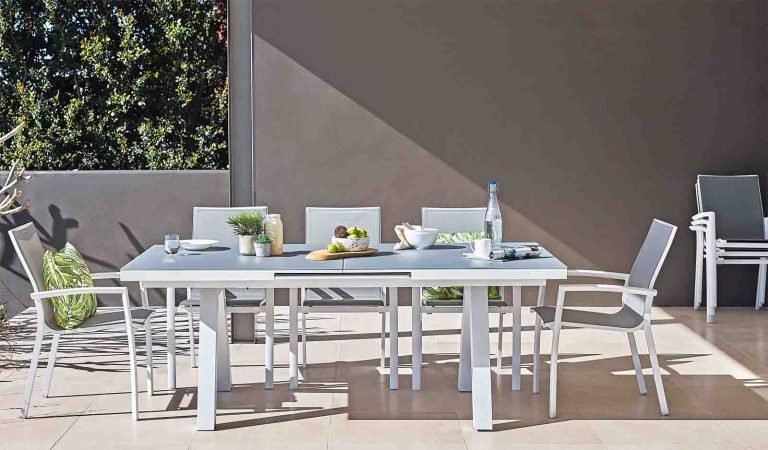
Can outdoor furniture cushions be replaced or reupholstered?
Yes, outdoor furniture cushions can often be replaced or reupholstered, depending on the specific design and construction of the cushions. Here’s a breakdown of the options:
1. Replacement Cushions:
Many outdoor furniture manufacturers offer replacement cushions specifically designed for their furniture lines. These cushions are available in various sizes, shapes, and colors to match your existing furniture. You can contact the manufacturer or search for authorized retailers to find the appropriate replacement cushions.
2. Custom Cushions:
If you cannot find replacement cushions that fit your outdoor furniture, you can consider having custom cushions made. There are companies that specialize in creating custom cushions tailored to your specific measurements and design preferences. This option allows you to choose the fabric, foam density, and other elements to match your outdoor aesthetic.
3. Reupholstering:
If the cushion foam is still in good condition, but the fabric cover is worn or damaged, you can opt to reupholster the cushions. Reupholstering involves removing the old fabric and replacing it with new fabric of your choice. This can be done by a professional upholsterer or as a DIY project if you have the necessary skills and tools.
4. DIY Cushion Covers:
If you have basic sewing skills, you can make your own cushion covers. This option allows you to choose the fabric and customize the design according to your preferences. There are numerous online tutorials and patterns available to guide you through the process of creating new cushion covers.
5. Maintenance:
Regular maintenance can help prolong the lifespan of outdoor cushions. Protecting them from direct sunlight, moisture, and dirt can prevent premature wear and damage. Using furniture covers, storing cushions in a dry place during the off-season, and cleaning them according to the manufacturer’s instructions can help maintain their appearance and condition.
Before replacing or reupholstering outdoor furniture cushions, it’s important to assess the overall condition of the cushions, including the foam inserts. If the foam has deteriorated or lost its shape, it may be necessary to replace the entire cushion rather than just the fabric cover.
Whether you choose to replace, reupholster, or make your own cushion covers, it’s important to consider the specific requirements of outdoor use. Opt for fabrics that are specifically designed for outdoor environments, as they are typically resistant to fading, mildew, and moisture. This will ensure that your new cushions or covers are durable and can withstand the elements.
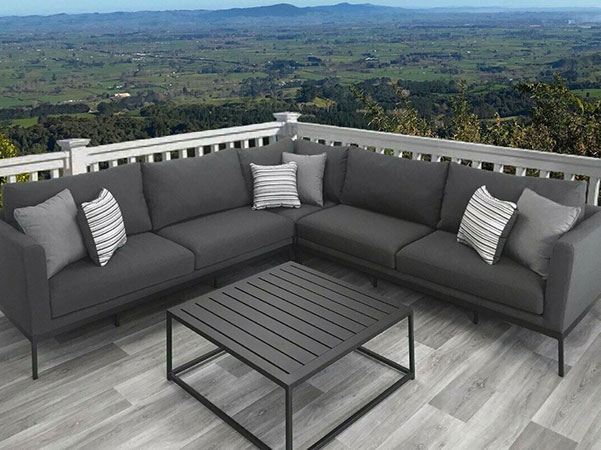
Are there any DIY projects for building custom outdoor furniture pieces?
Yes, there are plenty of DIY projects available for building custom outdoor furniture pieces. If you enjoy woodworking and crafting, creating your own outdoor furniture can be a rewarding and cost-effective option. Here are a few DIY project ideas for building custom outdoor furniture:
1. Adirondack Chairs: Adirondack chairs are classic and comfortable outdoor seating options. There are numerous plans and tutorials available online that provide step-by-step instructions for building Adirondack chairs from scratch. You can customize the design, size, and finish to match your outdoor aesthetic.
2. Pallet Furniture: Repurposing wooden pallets is a popular DIY trend for creating outdoor furniture. With pallets, you can build various pieces like benches, sofas, coffee tables, and even vertical gardens. Look for pallet furniture plans and tutorials that provide guidance on dismantling and assembling pallets into functional and stylish furniture pieces.
3. Outdoor Dining Table: Building your own outdoor dining table allows you to create a custom piece that fits your space and style preferences. You can choose from various materials such as reclaimed wood, cedar, or treated lumber. Look for plans that provide detailed instructions on construction techniques, sizing, and finishing options.
4. Hammock Stand: If you enjoy lounging in a hammock, consider building a hammock stand. This DIY project typically involves working with wood or metal to create a sturdy and stable structure to hang your hammock. Plans and tutorials are available to guide you through the construction process.
5. Outdoor Bar Cart: Building an outdoor bar cart can be a fun and practical DIY project. You can construct a mobile cart with storage for drinks, glasses, and other bar essentials. Look for plans that include details on materials, measurements, and assembly instructions.
6. Outdoor Bench: Building a bench for your outdoor space provides additional seating and can be a versatile piece of furniture. You can create a simple or intricate design based on your skill level and preferences. Look for bench plans that provide guidance on dimensions, joinery techniques, and finishing.
7. Planters and Trellises: DIY planters and trellises can add both functionality and beauty to your outdoor space. You can build custom-sized planters to fit specific areas or construct trellises to support climbing plants. Plans and tutorials are available for different styles and materials.
When undertaking any DIY project, it’s important to prioritize safety. Ensure you have the necessary tools, materials, and skills for the project. Follow the instructions carefully and take proper safety precautions, such as wearing protective gear and working in a well-ventilated area.
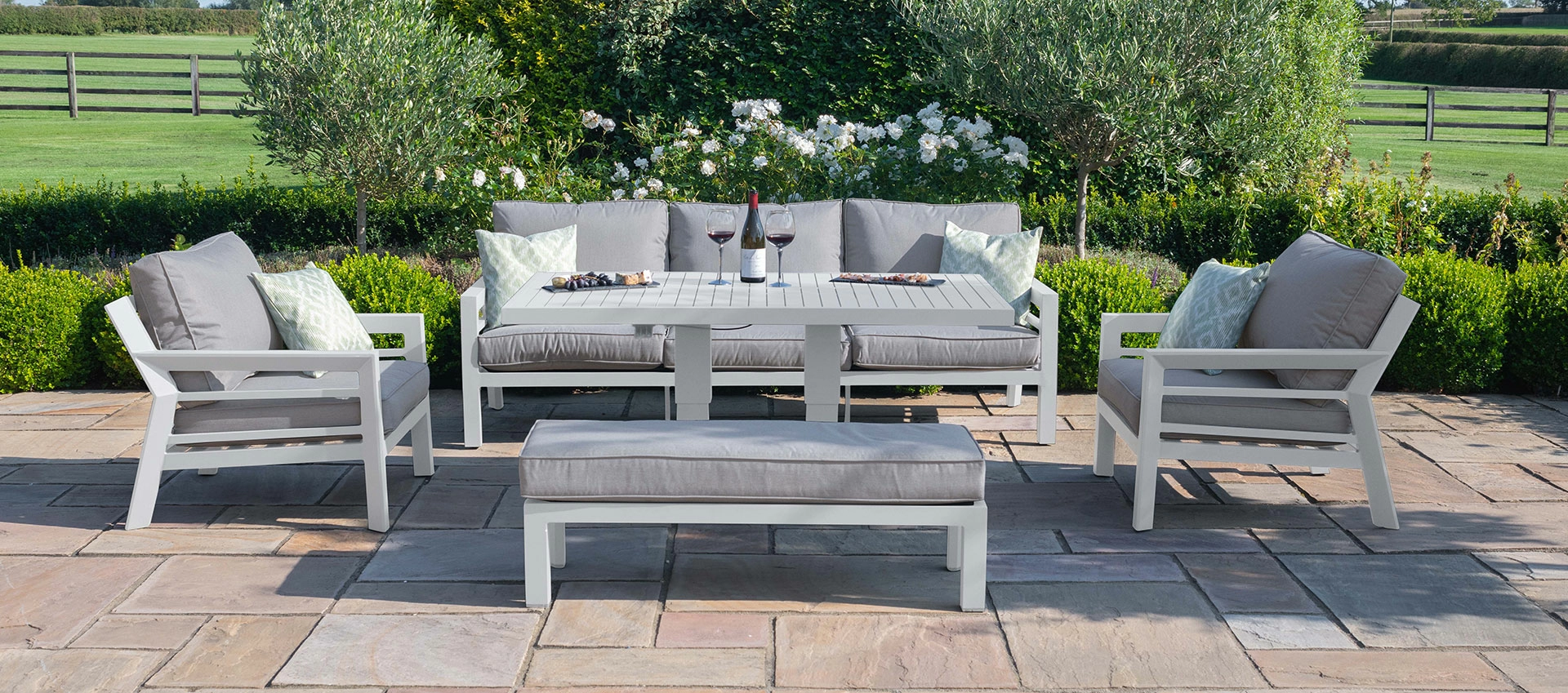
What are the different types of outdoor furniture, such as dining sets and loungers?
Outdoor furniture comes in various types and styles to suit different needs and preferences. Here are some common types of outdoor furniture:
1. Dining Sets: Outdoor dining sets typically consist of a table and chairs designed for outdoor dining. They come in various sizes and materials such as wood, metal, or wicker. Dining sets are ideal for enjoying meals with family and friends in your outdoor space.
2. Loungers and Chaise Lounge: Loungers and chaise lounges are designed for relaxation and sunbathing. They often feature adjustable backrests and can be made from materials like wood, aluminum, or wicker. These pieces are perfect for sunbathing, reading, or taking a nap outdoors.
3. Outdoor Sofas and Sectionals: Outdoor sofas and sectionals provide comfortable seating for lounging and socializing in your outdoor space. They are available in various sizes and configurations, allowing you to customize your seating arrangement. Outdoor sofas and sectionals can be made from materials such as wicker, aluminum, or teak.
4. Outdoor Chairs and Benches: Outdoor chairs and benches are versatile seating options for your outdoor space. They come in different styles, including Adirondack chairs, rocking chairs, and benches. These pieces can be made from materials like wood, metal, or plastic.
5. Outdoor Tables: Outdoor tables are available in different shapes and sizes, including coffee tables, side tables, and accent tables. They can be made from materials such as wood, metal, or glass. Outdoor tables provide surfaces for placing drinks, snacks, or decor items.
6. Outdoor Umbrellas and Shade Structures: Outdoor umbrellas and shade structures offer protection from the sun and provide shade for your outdoor space. They come in various sizes and styles, including market umbrellas, cantilever umbrellas, and pergolas. These structures are often made from materials like aluminum, wood, or fabric.
7. Outdoor Storage: Outdoor storage solutions, such as storage benches or cabinets, are designed to store cushions, pillows, gardening tools, and other outdoor accessories. They provide a convenient storage option while keeping your outdoor space organized.
8. Swings and Hammocks: Swings and hammocks offer a relaxing and playful element to your outdoor space. They come in different designs, including porch swings, hanging hammock chairs, and freestanding hammocks. These pieces are perfect for unwinding and enjoying gentle rocking motions.
These are just a few examples of the different types of outdoor furniture available. When selecting outdoor furniture, consider your space, intended use, and personal preferences to choose the pieces that best suit your needs and style.
editor by CX 2023-12-25
China Custom 100W DC12V Digital Display Portable Single Cylinder Air Compressor for Cars with Best Sales
Product Description
Single Cylinder Air Compressor
Inflate standard vehicle tire within 3 minutes
ACCURATE PRESSURE
DIGITAL DISPLAY
AUTO STOP
QUICK CONNCTOR
EMERGENCY LIGHTING
METAL CYLINDER
Are tire inflators worth it? A portable tire inflator is a valuable tool if you need a quick fix for low tire pressure or you’re performing regular car maintenance.
Portable tire inflators are also known as tire air pumps. They provide an easy way to keep your car tires inflated to the right pressure
These devices seal the punctured tire and then reinflate it with pressurized gas, providing enough pressure to allow the auto to be driven for a short period at low speed. This allows the motorist to have the damaged tire professionally repaired or replaced, avoiding the need to replace the wheel at the roadside.
| After-sales Service: | 1 Year |
|---|---|
| Warranty: | 1 Year |
| Certification: | RoHS, CE |
| Samples: |
US$ 7/Piece
1 Piece(Min.Order) | Order Sample yellow or red
|
|---|
| Customization: |
Available
|
|
|---|
.shipping-cost-tm .tm-status-off{background: none;padding:0;color: #1470cc}
|
Shipping Cost:
Estimated freight per unit. |
about shipping cost and estimated delivery time. |
|---|
| Payment Method: |
|
|---|---|
|
Initial Payment Full Payment |
| Currency: | US$ |
|---|
| Return&refunds: | You can apply for a refund up to 30 days after receipt of the products. |
|---|
.webp)
How are air compressors utilized in pharmaceutical manufacturing?
Air compressors play a crucial role in pharmaceutical manufacturing, where they are utilized for various critical applications. The pharmaceutical industry requires a reliable source of clean and compressed air to ensure the safety, efficiency, and quality of its processes. Here’s an overview of how air compressors are utilized in pharmaceutical manufacturing:
1. Manufacturing Processes:
Air compressors are used in numerous manufacturing processes within the pharmaceutical industry. Compressed air is employed for tasks such as mixing and blending of ingredients, granulation, tablet compression, coating, and encapsulation of pharmaceutical products. The controlled delivery of compressed air facilitates precise and consistent manufacturing processes, ensuring the production of high-quality pharmaceuticals.
2. Instrumentation and Control Systems:
Pharmaceutical manufacturing facilities rely on compressed air for powering instrumentation and control systems. Compressed air is used to operate pneumatic valves, actuators, and control devices that regulate the flow of fluids, control temperature and pressure, and automate various processes. The clean and dry nature of compressed air makes it ideal for maintaining the integrity and accuracy of these critical control mechanisms.
3. Packaging and Filling:
Air compressors are employed in pharmaceutical packaging and filling processes. Compressed air is used to power machinery and equipment for bottle cleaning, labeling, capping, and sealing of pharmaceutical products. Compressed air provides the necessary force and precision for efficient and reliable packaging, ensuring product safety and compliance.
4. Cleanroom Environments:
Pharmaceutical manufacturing often takes place in controlled cleanroom environments to prevent contamination and maintain product quality. Air compressors are used to supply clean and filtered compressed air to these cleanrooms, ensuring a controlled and sterile environment for the production of pharmaceuticals. Compressed air is also utilized in cleanroom air showers and air curtains for personnel and material decontamination.
5. Laboratory Applications:
In pharmaceutical laboratories, air compressors are utilized for various applications. Compressed air is used in laboratory instruments, such as gas chromatographs, mass spectrometers, and other analytical equipment. It is also employed in clean air cabinets, fume hoods, and laminar flow benches, providing a controlled and clean environment for testing, analysis, and research.
6. HVAC Systems:
Air compressors are involved in heating, ventilation, and air conditioning (HVAC) systems in pharmaceutical manufacturing facilities. Compressed air powers the operation of HVAC controls, dampers, actuators, and air handling units, ensuring proper air circulation, temperature control, and environmental conditions in various manufacturing areas.
By utilizing air compressors in pharmaceutical manufacturing, the industry can maintain strict quality standards, enhance operational efficiency, and ensure the safety and efficacy of pharmaceutical products.
.webp)
How do you choose the right air compressor for woodworking?
Choosing the right air compressor for woodworking is essential to ensure efficient and effective operation of pneumatic tools and equipment. Here are some factors to consider when selecting an air compressor for woodworking:
1. Required Air Volume (CFM):
Determine the required air volume or cubic feet per minute (CFM) for your woodworking tools and equipment. Different tools have varying CFM requirements, so it is crucial to choose an air compressor that can deliver the required CFM to power your tools effectively. Make sure to consider the highest CFM requirement among the tools you’ll be using simultaneously.
2. Tank Size:
Consider the tank size of the air compressor. A larger tank allows for more stored air, which can be beneficial when using tools that require short bursts of high air volume. It helps maintain a consistent air supply and reduces the frequency of the compressor cycling on and off. However, if you have tools with continuous high CFM demands, a larger tank may not be as critical.
3. Maximum Pressure (PSI):
Check the maximum pressure (PSI) rating of the air compressor. Woodworking tools typically operate within a specific PSI range, so ensure that the compressor can provide the required pressure. It is advisable to choose an air compressor with a higher maximum PSI rating to accommodate any future tool upgrades or changes in your woodworking needs.
4. Noise Level:
Consider the noise level of the air compressor, especially if you’ll be using it in a residential or shared workspace. Some air compressors have noise-reducing features or are designed to operate quietly, making them more suitable for woodworking environments where noise control is important.
5. Portability:
Assess the portability requirements of your woodworking projects. If you need to move the air compressor frequently or work in different locations, a portable and lightweight compressor may be preferable. However, if the compressor will remain stationary in a workshop, a larger, stationary model might be more suitable.
6. Power Source:
Determine the power source available in your woodworking workspace. Air compressors can be powered by electricity or gasoline engines. If electricity is readily available, an electric compressor may be more convenient and cost-effective. Gasoline-powered compressors offer greater flexibility for remote or outdoor woodworking projects where electricity may not be accessible.
7. Quality and Reliability:
Choose an air compressor from a reputable manufacturer known for producing reliable and high-quality equipment. Read customer reviews and consider the warranty and after-sales support offered by the manufacturer to ensure long-term satisfaction and reliability.
8. Budget:
Consider your budget and balance it with the features and specifications required for your woodworking needs. While it’s important to invest in a reliable and suitable air compressor, there are options available at various price points to accommodate different budgets.
By considering these factors and evaluating your specific woodworking requirements, you can choose an air compressor that meets the demands of your tools, provides efficient performance, and enhances your woodworking experience.
.webp)
How does an air compressor work?
An air compressor works by using mechanical energy to compress and pressurize air, which is then stored and used for various applications. Here’s a detailed explanation of how an air compressor operates:
1. Air Intake: The air compressor draws in ambient air through an intake valve or filter. The air may pass through a series of filters to remove contaminants such as dust, dirt, and moisture, ensuring the compressed air is clean and suitable for its intended use.
2. Compression: The intake air enters a compression chamber, typically consisting of one or more pistons or a rotating screw mechanism. As the piston moves or the screw rotates, the volume of the compression chamber decreases, causing the air to be compressed. This compression process increases the pressure and reduces the volume of the air.
3. Pressure Build-Up: The compressed air is discharged into a storage tank or receiver where it is held at a high pressure. The tank allows the compressed air to be stored for later use and helps to maintain a consistent supply of compressed air, even during periods of high demand.
4. Pressure Regulation: Air compressors often have a pressure regulator that controls the output pressure of the compressed air. This allows the user to adjust the pressure according to the requirements of the specific application. The pressure regulator ensures that the compressed air is delivered at the desired pressure level.
5. Release and Use: When compressed air is needed, it is released from the storage tank or receiver through an outlet valve or connection. The compressed air can then be directed to the desired application, such as pneumatic tools, air-operated machinery, or other pneumatic systems.
6. Continued Operation: The air compressor continues to operate as long as there is a demand for compressed air. When the pressure in the storage tank drops below a certain level, the compressor automatically starts again to replenish the compressed air supply.
Additionally, air compressors may include various components such as pressure gauges, safety valves, lubrication systems, and cooling mechanisms to ensure efficient and reliable operation.
In summary, an air compressor works by drawing in air, compressing it to increase its pressure, storing the compressed air, regulating the output pressure, and releasing it for use in various applications. This process allows for the generation of a continuous supply of compressed air for a wide range of industrial, commercial, and personal uses.


editor by CX 2023-11-13