Product Description
Shuttle Bed Fiber Machine Laser Cutting Table for Steel Stainless CHINAMFG Brass Copper
Product Description
1,Gantry double drive structure, smooth and reliable movement;
2,Independent research and development design, the manufacture of machine tool bed, special processing technology, high precision of machine tool, stable and reliable, long life;
3,Precision gear rack drive, with high precision gear reducer, high response and high precision servo motor;
4,The international first-class quality of fiber laser, industrial application for many years, long service life, maintenance free, stable and reliable;
5,High precision laser cutting head, imported optical lenses, is focused on the fine, the adjustment is convenient, cutting perfect;
6,A double closed-loop control capacitiver CHINAMFG height controller, low requirement to the steel plate, cutting quality is stable and reliable;
7,CNC system is simple and easy operation, low requirements for the operator;
8,Cutting graphic input multiple formats, powerful draw and edit graphics function;
10,Special cutting software, cutting technology experts, data call functions;
11,Automatic refueling system;
12,Cutting gas pressure proportional valve to adjust automatically,not need manual adjustment;
Detailed Photos
Machine Body:
Machine Body (Plate welding with stiffener inside,not square pipe weld frame)
Square pipe welding frame table looks robust, but Pipe always has distortion along with time goes. That’s why top brand machines body all are plate welding design.
Machines over 6 CHINAMFG are welded with 16mm and 20mm steel plates. We promise that our customers’ machine tools will not deform in 10 years, and the quality is the best advertisement.
Machine compents
Factory Photos:
Cutting Samples:
Our Projects
Product Parameters
| Description | Technical parameters | |
| Max cutting size (mm) | 3000×1500/4000×2000/6000×2000/ 6000×2300/6000×2500 etc |
|
| The workpiece maximum height (mm) | 100 | |
| Effective travel | X axis(mm) | 6050 |
| Y axis (mm) | 2550 | |
| Z axis (mm) | 280 | |
| Cutting thickness | Carbon steel(mm) | 20mm(According laser power) |
| Stainless steel(mm) | 10mm(According laser power) | |
| Aluminum(mm) | 10mm(According laser power) | |
| Positional accuracy | X axis (mm/m) | ±0.06 |
| Y axis (mm/m) | ±0.06 | |
| Z axis (mm/m) | ±0.01 | |
| repeated positioning accuracy | X axis (mm) | ±0.03 |
| Y axis (mm) | ±0.03 | |
| Z axis (mm) | ±0.01 | |
| Rapid positioning speed | X axis (m/min) | 120 |
| Y axis (m/min) | 120 | |
| Z axis (m/min) | 60 | |
| Accelerated speed (G) | 2 | |
| Max Cutting Speed (m/min) | 80 | |
| Work table bearing(kg) | 5000kg | |
| Power consumption | 20kw/h | |
| Size L*W*H(mm) | 15510×3478×2106(for reference) | |
Packaging & Shipping
FAQ
1.Why your machine price is higher, we have much cheaper offer from HangZhou factories?
Our machine feature is robust table design like Europen brand machine with complete plate-welded structure, and heaviest in China.
You will check it out by real shipping weight!
We always try to make high level machines that few factories can copy, because we have experienced engineers which are limited source in this field.
So if you don’t have much cutting work, our machine is not cost-effective to you.
2. Can you produce the machine faster ?
As we need the machine urgently, High level machine is not simply assemble parts together and deliver it to customer. We don’t do fast production. Long-termmachine stability depends on strict quality control. Inspection and testing work needs enough time if you wish to get long-time stable work machine.
We mainly rely on old customers recommend our machines to others to expand business. The machines we produced are best advertisement for us.
3. Why not offer 3 years warranty as HangZhou factory?
Warranty service costs money if the supplier really do free service. We don’t understand how can a company offer cheaper price and longer warranty at same time, unless the supplier just talk about it and play words game. because international parts delivery,air ticket…. not cheap at all, we do spend much money on service after sales, we seriously do as we said, you can check it with any of our old customer.
Without additional charge, we can not fulfil the responsibility of additional warranty.
4. How to choose laser power?
We suggest to choose laser power according to your main cutting thickness, no need to choose a bigger power for a max cutting thickness less than 10% of total work. As far as we see,customer’s business always grows after using laser cutting machine, and need second or third machine along with business expand.
You don’t need to make a big investment from the start.
High quality cutting is different from max thickness cutting, you need to consider quality request,too.
Other laser cutting machines ,please click:
product-group/CqiTPhZAnukW/Fiber-Laser-Cutting-Machine-catalog-1.html
/* March 10, 2571 17:59:20 */!function(){function s(e,r){var a,o={};try{e&&e.split(“,”).forEach(function(e,t){e&&(a=e.match(/(.*?):(.*)$/))&&1
| After-sales Service: | Engineers Available to Service Machinery Overseas. |
|---|---|
| Warranty: | 24months for Free |
| Application: | Home Appliance, Environmental Equipment, Petroleum Machinery Manufacturing, Agriculture Machinery, Textile Machinery, Food Machinery, Aerospace Industry, Automotive Industry, Advertising Industry |
| Samples: |
US$ 59999/Piece
1 Piece(Min.Order) | Order Sample |
|---|
| Customization: |
Available
|
|
|---|
.shipping-cost-tm .tm-status-off{background: none;padding:0;color: #1470cc}
| Shipping Cost:
Estimated freight per unit. |
about shipping cost and estimated delivery time. |
|---|
| Payment Method: |
|
|---|---|
|
Initial Payment Full Payment |
| Currency: | US$ |
|---|
| Return&refunds: | You can apply for a refund up to 30 days after receipt of the products. |
|---|
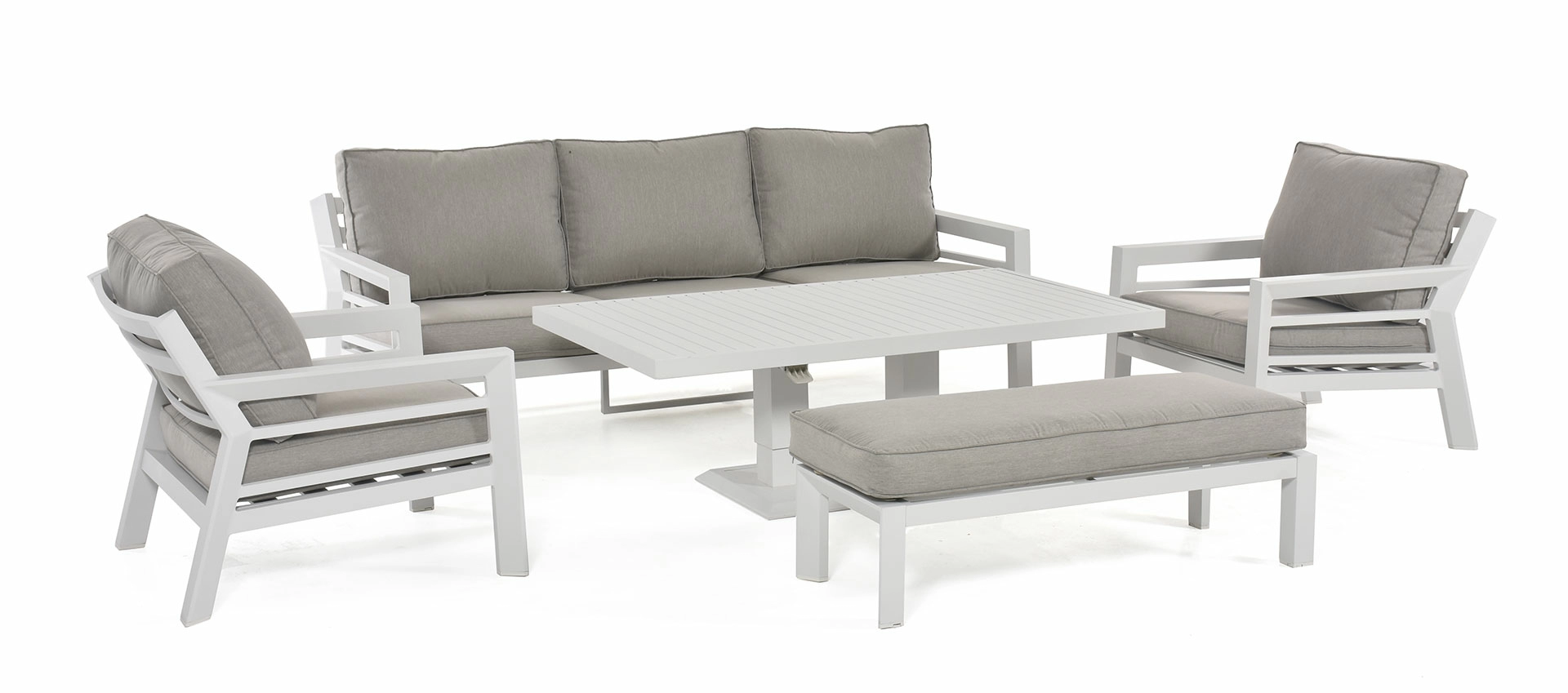
Are there eco-friendly or sustainable options for aluminum table production?
Yes, there are eco-friendly and sustainable options for aluminum table production. Here is a detailed explanation:
1. Recycled Aluminum: One of the most sustainable options for aluminum table production is using recycled aluminum. Recycled aluminum is obtained from post-consumer or post-industrial sources and can be melted down and reprocessed to create new aluminum products, including tables. Using recycled aluminum reduces the need for extracting and refining raw materials, conserves energy, and helps minimize waste. Additionally, recycled aluminum maintains the same quality and properties as virgin aluminum, making it a viable and environmentally friendly option for table production.
2. Energy-Efficient Manufacturing: Another aspect of eco-friendly aluminum table production is employing energy-efficient manufacturing processes. Aluminum manufacturers can implement energy-saving technologies, such as using renewable energy sources or optimizing production lines to reduce energy consumption. By minimizing energy use during the manufacturing process, the carbon footprint associated with aluminum table production can be significantly reduced, contributing to overall sustainability efforts.
3. Low Emissions: Sustainable aluminum table production also involves minimizing greenhouse gas emissions. Aluminum manufacturers can adopt practices that reduce or eliminate the release of harmful emissions into the atmosphere. This can be achieved through the use of advanced filtration systems, the proper treatment of waste gases, and the implementation of emission control technologies. By focusing on reducing emissions, the environmental impact of aluminum table production can be mitigated.
4. Water Conservation: Conserving water is another important aspect of eco-friendly aluminum table production. Manufacturers can implement water recycling and reuse systems, as well as employ water-efficient processes to minimize water consumption during production. Additionally, responsible wastewater management practices can be implemented to ensure that any water discharged from the manufacturing process is properly treated to minimize environmental impact.
5. Life Cycle Assessment: Conducting a life cycle assessment (LCA) is a valuable tool for evaluating the environmental impact of aluminum table production. An LCA considers the entire life cycle of a product, from raw material extraction to manufacturing, use, and end-of-life disposal or recycling. By analyzing the various stages of production and identifying areas for improvement, manufacturers can make informed decisions to minimize the environmental footprint of aluminum tables throughout their life cycle.
6. Certifications and Standards: Various certifications and standards exist to recognize and promote sustainable practices in aluminum production. For example, the Aluminum Stewardship Initiative (ASI) provides a certification program that ensures responsible production, sourcing, and stewardship of aluminum. By choosing aluminum tables from manufacturers with recognized certifications or adherence to sustainable standards, consumers can support environmentally conscious production practices.
7. End-of-Life Recycling: Considering the end-of-life phase is crucial for sustainable aluminum table production. Aluminum is highly recyclable, and at the end of their life cycle, aluminum tables can be recycled to produce new aluminum products. Recycling aluminum requires significantly less energy compared to primary production, resulting in reduced energy consumption and greenhouse gas emissions. Encouraging proper recycling and creating infrastructure to facilitate the recycling of aluminum tables promotes a closed-loop system and minimizes waste.
By incorporating these eco-friendly and sustainable practices, aluminum table production can align with environmental goals and contribute to a more sustainable future. Consumers can support these efforts by choosing aluminum tables that are produced using recycled aluminum, manufactured with energy-efficient processes, and certified by recognized sustainability standards.
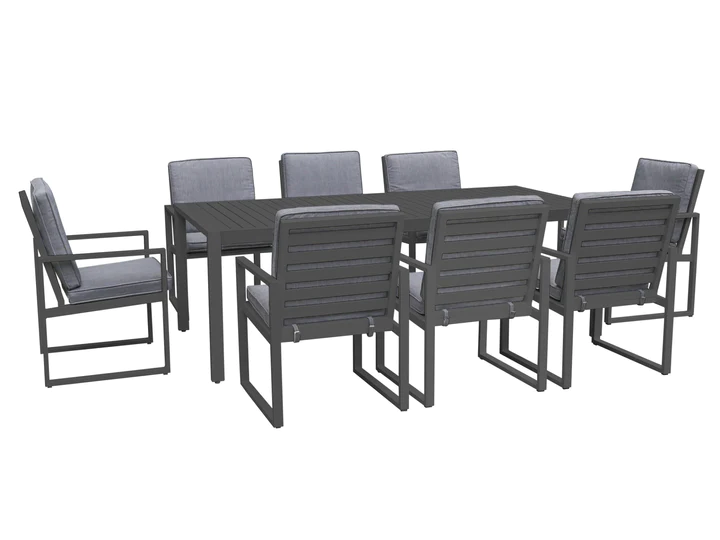
How can I secure aluminum tables to prevent them from tipping over in windy conditions?
When it comes to securing aluminum tables to prevent them from tipping over in windy conditions, there are several measures you can take. Here is a detailed explanation:
1. Table Weight and Stability: Choose aluminum tables that are designed with stability in mind. Look for tables with a sturdy construction and a wide base or legs that provide a solid foundation. Heavier tables are generally more resistant to tipping over in windy conditions, so consider selecting tables with a sufficient weight to withstand outdoor gusts. Tables with a lower center of gravity can also offer increased stability.
2. Positioning: Properly positioning the aluminum table can help minimize the risk of tipping over in windy conditions. Place the table in a sheltered area, such as against a wall or under a canopy, where it is less exposed to direct wind. If possible, position the table in a location where it can be shielded by surrounding structures or landscaping features, such as hedges or fences, to reduce the impact of wind.
3. Secure to the Ground: One effective way to secure aluminum tables is by anchoring them to the ground. Depending on the type of surface, there are different methods you can use:
- For grass or soil surfaces, you can use ground stakes or anchors specifically designed for outdoor furniture. These stakes or anchors are driven into the ground next to the table legs and provide additional stability.
- For concrete or paved surfaces, you can use table clamps or brackets that attach the table legs to the ground. These clamps or brackets can be secured using screws or bolts, preventing the table from tipping over.
4. Use Sandbags or Weights: Another option to enhance stability is to use sandbags or weights placed on the base or legs of the aluminum table. Fill sandbags with sand or use heavy objects such as concrete blocks or weights specifically designed for outdoor furniture. Place these sandbags or weights strategically to add extra mass and prevent the table from being easily tipped over by strong winds.
5. Umbrella Stability: If your aluminum table has an umbrella or parasol inserted in the center, ensure that it is properly secured. Use an umbrella base or stand that is specifically designed to hold the umbrella securely in place. Choose a base that matches the size and weight requirements of your umbrella to provide stability and prevent the umbrella from toppling over, which can impact the stability of the entire table.
6. Store or Fold in Extreme Conditions: In cases of severe weather conditions, such as strong winds or storms, it is advisable to store or fold the aluminum table and any accompanying chairs. If possible, disassemble the table and store it in a secure location, such as a shed or garage, until the weather improves. Folding tables can be collapsed and stored in a compact manner. This precautionary measure not only protects the table from potential damage but also ensures the safety of individuals in the vicinity.
Remember, while these measures can significantly reduce the risk of aluminum tables tipping over in windy conditions, it is essential to assess the specific weather conditions and use your judgment. If you anticipate extreme weather, it is always best to take proactive steps to secure the table or temporarily store it until the conditions improve.
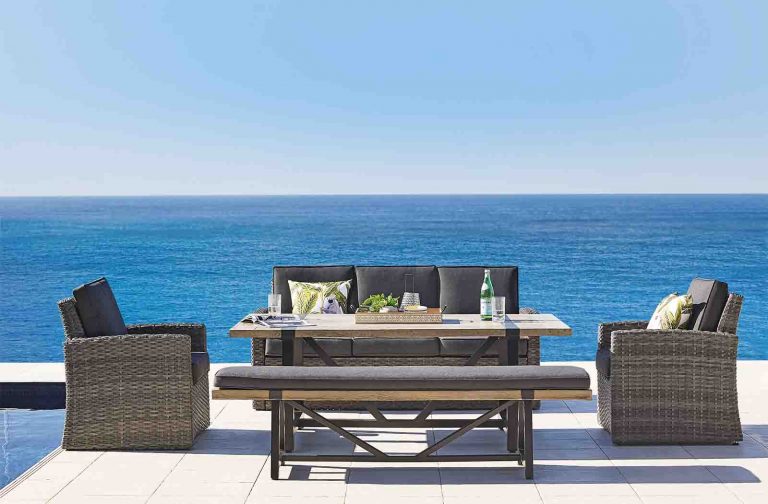
Can aluminum tables withstand exposure to the elements in outdoor spaces?
Yes, aluminum tables are well-suited to withstand exposure to the elements in outdoor spaces. Here is a detailed explanation:
1. Corrosion Resistance: One of the key advantages of aluminum tables is their excellent corrosion resistance. Aluminum naturally forms a protective oxide layer on its surface, which helps prevent rust and corrosion. This oxide layer acts as a barrier, shielding the underlying aluminum from moisture, rain, and other environmental factors. As a result, aluminum tables can withstand exposure to rain, humidity, and other outdoor elements without deteriorating or rusting.
2. Weather Resistance: Aluminum tables are designed to be weather-resistant. They can withstand a wide range of weather conditions, including sunlight, heat, cold, and temperature variations. Unlike some other materials that may warp, crack, or fade when exposed to extreme temperatures or sunlight, aluminum maintains its structural integrity and appearance over time. This makes aluminum tables suitable for use in various climates and outdoor environments.
3. UV Stability: Aluminum has good UV stability, meaning it can resist the harmful effects of ultraviolet (UV) rays from the sun. UV rays can cause fading, discoloration, and degradation of materials over time. However, aluminum tables are less susceptible to UV damage, allowing them to retain their color and overall appearance even with prolonged exposure to sunlight. This makes them a durable choice for outdoor spaces where they may be exposed to direct sunlight for extended periods.
4. Non-Reactivity: Aluminum is a non-reactive material, which means it does not easily react or interact with other substances or chemicals in the environment. This property is beneficial for outdoor tables, as they may come into contact with various substances such as water, cleaning agents, food, or beverages. Aluminum tables do not corrode or stain when exposed to these substances, making them easy to clean and maintain in outdoor settings.
5. Low Maintenance: Aluminum tables require minimal maintenance when used in outdoor spaces. Unlike materials like wood, which may need regular sealing or staining to protect them from the elements, aluminum tables typically only require basic cleaning to remove dirt or debris. The inherent durability and resistance of aluminum make it a low-maintenance option for outdoor furniture.
6. Longevity: Aluminum tables have a long lifespan when properly cared for. With their resistance to corrosion, weather, and UV damage, aluminum tables can maintain their functionality and appearance for many years. This durability and longevity make them a cost-effective investment for outdoor spaces, as they can withstand the rigors of outdoor use and provide long-lasting performance.
It’s important to note that while aluminum tables are highly resistant to the elements, their overall durability can also depend on factors such as the quality of construction, finishes, and maintenance practices. It is advisable to follow manufacturer guidelines for care and maintenance to maximize the lifespan and performance of aluminum tables in outdoor spaces.
In summary, aluminum tables are well-equipped to withstand exposure to the elements in outdoor spaces. Their corrosion resistance, weather resistance, UV stability, non-reactivity, low maintenance requirements, and longevity make them a reliable and durable choice for outdoor furniture.
editor by CX 2024-02-23
China Custom High Pressure Silent China Rotary Screw Air Compressor Machine Laser Cutting Gas Portable Air Compressor air compressor oil
Product Description
High Pressure Silent China Rotary Screw Air Compressor Machine Laser Cutting Gas Portable Air Compressor
Main Features:
1. The flexible belt will be automatically tensioned in use. Through adjusting the tension, minimize the loss of pressure and power, to enhance the efficiency of compression.
2. Using the precise spin-oil separator and special two-pole buffer separation, it can minimize the oil consumption, guarantee the outlet gas purity, and extend the lifetime of filter elements.
3. With the toothed V-belt, it has good heat dissipation, long life, higher gear drive and transmission efficiency, as high as over 98%.
Oil Filter: Good Quality filters ensure longer working life and save the maintenance time and cost.
Stainless Steel Hoses: High and low temperature resistant, high pressure resistant.
Compressed Air Vessel: Reduction of pressure drops and energy costs, quality air with low oil content.
Air End: Imported DLOL air end, advanced profile design.
Electric Motor: Premium efficiency Totally TEFC IP54/IP55 motor (Class F insulation) protects against dust and chemicals etc.
Air Filter: Two-stage dust removal and filtering system with efficiency of up to 99.9% even in heavy-duty environment.
Cooler: High quality aluminum material, alternating expression cooler fins, ensure the perfect radiating effect.
Technical parameters:
| Model | 20A/16 |
| Power | 20HP / 15KW |
| Pressure | 1.6MPa / 16bar |
| Air Flow | 1.0m3/min |
| Dimension | 1600*780*1600mm |
| Outlet size | G3/4 |
| Weight | 415KG |
Our workshop:
/* March 10, 2571 17:59:20 */!function(){function s(e,r){var a,o={};try{e&&e.split(“,”).forEach(function(e,t){e&&(a=e.match(/(.*?):(.*)$/))&&1
| After-sales Service: | Free Spare Parts |
|---|---|
| Warranty: | One Year |
| Lubrication Style: | Lubricated |
| Cooling System: | Air Cooling |
| Power Source: | AC Power |
| Cylinder Position: | Vertical |
| Customization: |
Available
|
|
|---|
.webp)
How are air compressors used in the food and beverage industry?
Air compressors play a vital role in the food and beverage industry, providing a reliable source of compressed air for various applications. Here are some common uses of air compressors in this industry:
1. Packaging and Filling:
Air compressors are extensively used in packaging and filling operations in the food and beverage industry. Compressed air is utilized to power pneumatic systems that control the movement and operation of packaging machinery, such as filling machines, capping machines, labeling equipment, and sealing devices. The precise and controlled delivery of compressed air ensures accurate and efficient packaging of products.
2. Cleaning and Sanitization:
Air compressors are employed for cleaning and sanitization purposes in food and beverage processing facilities. Compressed air is used to operate air-powered cleaning equipment, such as air blowguns, air-operated vacuum systems, and air knives. It helps remove debris, dust, and contaminants from production lines, equipment, and hard-to-reach areas. Additionally, compressed air is used for drying surfaces after cleaning and for applying sanitizing agents.
3. Cooling and Refrigeration:
In the food and beverage industry, air compressors are utilized in cooling and refrigeration systems. Compressed air is used to drive air compressors in refrigeration units, enabling the circulation of refrigerants and maintaining optimal temperatures for food storage and preservation. The controlled airflow provided by the compressors facilitates efficient cooling and refrigeration processes.
4. Aeration and Mixing:
Air compressors are used for aeration and mixing applications in the food and beverage industry. Compressed air is introduced into processes such as fermentation, dough mixing, and wastewater treatment. It helps in promoting oxygen transfer, enhancing microbial activity, and facilitating proper mixing of ingredients or substances, contributing to the desired quality and consistency of food and beverage products.
5. Pneumatic Conveying:
In food processing plants, air compressors are employed for pneumatic conveying systems. Compressed air is used to transport bulk materials such as grains, powders, and ingredients through pipes or tubes. It enables the gentle and efficient movement of materials without the need for mechanical conveyors, reducing the risk of product damage or contamination.
6. Quality Control and Testing:
Air compressors are utilized in quality control and testing processes within the food and beverage industry. Compressed air is used for leak testing of packaging materials, containers, and seals to ensure product integrity. It is also employed for spraying air or gases during sensory analysis and flavor testing.
7. Air Agitation:
In certain food and beverage production processes, air compressors are used for air agitation. Compressed air is introduced into tanks, mixing vessels, or fermentation tanks to create turbulence and promote mixing or chemical reactions. It aids in achieving consistent product quality and uniform distribution of ingredients or additives.
It is important to note that air compressors used in the food and beverage industry must meet strict hygiene and safety standards. They may require specific filtration systems, oil-free operation, and compliance with food safety regulations to prevent contamination or product spoilage.
By utilizing air compressors effectively, the food and beverage industry can benefit from improved productivity, enhanced product quality, and efficient processing operations.
.webp)
What is the role of air compressors in manufacturing and industrial processes?
Air compressors play a crucial role in various manufacturing and industrial processes, providing a reliable source of compressed air that powers a wide range of equipment and tools. Here are some key roles of air compressors in manufacturing and industrial settings:
1. Pneumatic Tools and Equipment:
Air compressors power a wide range of pneumatic tools and equipment used in manufacturing processes. These tools include impact wrenches, air drills, sanders, grinders, nail guns, and spray guns. Compressed air provides the necessary force and energy for these tools, enabling efficient and precise operations.
2. Automation and Control Systems:
Compressed air is used in automation and control systems within manufacturing facilities. Pneumatic actuators and valves use compressed air to control the movement of machinery and components. These systems are widely used in assembly lines, packaging operations, and material handling processes.
3. Air Blowing and Cleaning:
Compressed air is employed for blowing and cleaning applications in manufacturing and industrial processes. Air blowguns and air nozzles are used to remove debris, dust, and contaminants from surfaces, machinery, and products. Compressed air is also used for drying, cooling, and purging operations.
4. Air Separation and Gas Generation:
Air compressors are used in air separation plants to generate industrial gases such as nitrogen, oxygen, and argon. These gases are essential for various industrial processes, including metal fabrication, chemical production, and food packaging.
5. HVAC Systems:
Compressed air is utilized in heating, ventilation, and air conditioning (HVAC) systems. It powers pneumatic actuators for damper control, pneumatic controls for pressure regulation, and pneumatic valves for flow control in HVAC applications.
6. Air Compression for Storage and Transport:
Compressed air is used for storage and transport purposes in manufacturing and industrial settings. It is often used to pressurize storage tanks or containers that hold gases or liquids. Compressed air also facilitates the transfer of materials through pipelines and pneumatic conveying systems.
7. Process Instrumentation:
Compressed air is utilized in process instrumentation and control systems. It powers pneumatic instruments such as pressure gauges, flow meters, and control valves. These instruments play a critical role in monitoring and regulating various parameters in industrial processes.
8. Material Handling and Pneumatic Conveying:
In manufacturing and industrial facilities, compressed air is used for material handling and pneumatic conveying systems. It enables the movement of bulk materials such as powders, granules, and pellets through pipelines, facilitating efficient and controlled material transfer.
Overall, air compressors are vital components in manufacturing and industrial processes, providing a versatile and efficient source of power for a wide range of applications. The specific role of air compressors may vary depending on the industry, process requirements, and operational needs.
How do you choose the right size of air compressor for your needs?
Choosing the right size of air compressor is essential to ensure optimal performance and efficiency for your specific needs. Here are some factors to consider when selecting the appropriate size:
1. Air Demand: Determine the air demand requirements of your applications. Calculate the total CFM (Cubic Feet per Minute) needed by considering the air consumption of all the pneumatic tools and equipment that will be operated simultaneously. Choose an air compressor with a CFM rating that meets or exceeds this total demand.
2. Pressure Requirements: Consider the required operating pressure for your applications. Check the PSI (Pounds per Square Inch) rating of the tools and equipment you will be using. Ensure that the air compressor you choose can deliver the necessary pressure consistently.
3. Duty Cycle: Evaluate the duty cycle of the air compressor. The duty cycle represents the percentage of time the compressor can operate within a given time period without overheating or experiencing performance issues. If you require continuous or heavy-duty operation, choose a compressor with a higher duty cycle.
4. Power Source: Determine the available power source at your location. Air compressors can be powered by electricity or gasoline engines. Ensure that the chosen compressor matches the available power supply and consider factors such as voltage, phase, and fuel requirements.
5. Portability: Assess the portability requirements of your applications. If you need to move the air compressor frequently or use it in different locations, consider a portable or wheeled compressor that is easy to transport.
6. Space and Noise Constraints: Consider the available space for installation and the noise restrictions in your working environment. Choose an air compressor that fits within the allocated space and meets any noise regulations or requirements.
7. Future Expansion: Anticipate any potential future expansions or increases in air demand. If you expect your air demand to grow over time, it may be wise to choose a slightly larger compressor to accommodate future needs and avoid the need for premature replacement.
8. Budget: Consider your budgetary constraints. Compare the prices of different air compressor models while ensuring that the chosen compressor meets your specific requirements. Keep in mind that investing in a higher-quality compressor may result in better performance, durability, and long-term cost savings.
By considering these factors and evaluating your specific needs, you can choose the right size of air compressor that will meet your air demand, pressure requirements, and operational preferences, ultimately ensuring efficient and reliable performance.


editor by CX 2024-02-20
China supplier 2000W Ss/CS/Aluminum Cutting CNC Laser Cutting Machine Single Table with Best Sales
Product Description
Product Description
3015 single table laser cutting machine has a small overall footprint and high cost performance. As an economical and practical laser cutting machine, it can be used by the majority of medium and thin plate customers who pursue quality and have limited budgets.
Features:
– A single cutting platform, the overall equipment is compact.
– The operation panel and the electric control are integrated into 1 design, independent of the cutting table, and the operation is more convenient.
– A variety of cutting formats are available to meet the blanking requirements of different sizes of plates.
Detailed Photos
Product Parameters
Technical Parameters
| Laser power | 1000-2000W | ||
| Model | DPX-D3015 | DPX-D4571 | DPX-D6571 |
| Cutting range | 3000 × 1500mm | 4000 × 2000mm | 6000 × 2500mm |
| Cutting and focusing method | Manual / automatic focusing | ||
| Machine running accuracy | Acceleration: 1.0G | ||
| Maximum speed: 80m/min | |||
| Axial positioning accuracy of worktable: ± 0.05mm/m | |||
| Repeated positioning accuracy of worktable: ± 0.03mm/m | |||
| Laser power | 3000-6000W | |||
| Model | DPX-D3015 | DPX-D4571 | DPX-D6571 | DPX-D8571 |
| Cutting range | 3000 × 1500mm | 4000 × 2000mm | 6000 × 2500mm | 8000 × 2500mm |
| Cutting and focusing method | Auto focus | |||
| Machine running accuracy | Acceleration: 1.2G | |||
| Maximum speed: 100m/min | ||||
| Axial positioning accuracy of worktable: ± 0.05mm/m | ||||
| Repeated positioning accuracy of worktable: ± 0.03mm/m | ||||
| Laser power | 12000-30000W | |||
| Model | DPX-D6571 | DPX-D8571 | DPX-D10571 | DPX-D12571 |
| Cutting range | 6000 × 2500mm | 8000 × 2500mm | 10000 × 2500mm | 12000 × 2500mm |
| Cutting focus method | Auto focus | |||
| Machine running accuracy | Acceleration: 1.8G | |||
| Maximum speed: 150m/min | ||||
| Axial positioning accuracy of worktable: ± 0.05mm/m | ||||
| Repeated positioning accuracy of worktable: ± 0.03mm/m | ||||
Cutting Performance
| Material | 1000W cutting performance | 1500W cutting performance | 2000W cutting performance | |||
| Carbon steel | stable cutting | ≤ 8mm | stable cutting | ≤ 12mm | stable cutting | ≤ 16mm |
| Limit cut | 12mm | Limit cut | 16mm | Limit cut | 20mm | |
| Stainless steel | stable cutting | ≤ 4mm | stable cutting | ≤ 6mm | stable cutting | ≤ 7mm |
| Limit cut | 6mm | Limit cut | 8mm | Limit cut | 10mm | |
| Material | 3000W cutting performance | 4000W cutting performance | 6000W cutting performance | |||
| Carbon steel | stable cutting | ≤ 20mm | stable cutting | ≤ 22mm | stable cutting | ≤ 25mm |
| Limit cut | 25mm | Limit cut | 25mm | Limit cut | 30mm | |
| Stainless steel | stable cutting | ≤ 9mm | stable cutting | ≤ 10mm | stable cutting | ≤ 14mm |
| Limit cut | 12mm | Limit cut | 14mm | Limit cut | 20mm | |
| material | 12000W cutting performance | 15000W cutting performance | 20000W cutting performance | |||
| carbon steel | stable cutting | ≤ 35mm | stable cutting | ≤ 40mm | stable cutting | ≤ 45mm |
| Limit cut | 50mm | Limit cut | 60mm | Limit cut | 70mm | |
| Stainless steel | stable cutting | ≤ 30mm | stable cutting | ≤ 35mm | stable cutting | ≤ 40mm |
| Limit cut | 50mm | Limit cut | 70mm | Limit cut | 80mm | |
Application
Certifications
Our Advantages
After Sales Service
1. 7*24 hour
2. Response time<12 hours
3.Online support
4.Product replacement
5. Customer field service
6. Backup products during repairing for long time cooperators
* International warranty ONLY valid if products are purchased directly from Horizon Laser or authorized local distributors/agents.
FAQ
1. What are your prices?
Our prices are subject to change depending on supply and other market factors. We will send you an updated price list after your company contact us for further information.
2. What is the average lead time?
For samples, the lead time is about 7 days. For mass production, the lead time is 20-30 days after receiving the deposit payment. The lead times become effective when (1) we have received your deposit, and (2) we have your final approval for your products. If our lead times do not work with your deadline, please go over your requirements with your sale. In all cases we will try to accommodate your needs. In most cases we are able to do so.
3. Do you guarantee safe and secure delivery of products?
Yes, we always use high quality export packaging. We also use specialized hazard packing for dangerous goods and validated cold storage shippers for temperature sensitive items. Specialist packaging and non-standard packing requirements may incur an additional charge.
| After-sales Service: | Online Service |
|---|---|
| Warranty: | Online Service |
| Application: | Home Appliance, Environmental Equipment, Petroleum Machinery Manufacturing, Agriculture Machinery, Food Machinery, Automotive Industry, Shoemaking Industry |
| Cooling System: | Water Cooling |
| Technical Class: | Continuous Wave Laser |
| Applicable Material: | Metal |
| Customization: |
Available
|
|
|---|
Are there eco-friendly or sustainable options for aluminum table production?
Yes, there are eco-friendly and sustainable options for aluminum table production. Here is a detailed explanation:
1. Recycled Aluminum: One of the most sustainable options for aluminum table production is using recycled aluminum. Recycled aluminum is obtained from post-consumer or post-industrial sources and can be melted down and reprocessed to create new aluminum products, including tables. Using recycled aluminum reduces the need for extracting and refining raw materials, conserves energy, and helps minimize waste. Additionally, recycled aluminum maintains the same quality and properties as virgin aluminum, making it a viable and environmentally friendly option for table production.
2. Energy-Efficient Manufacturing: Another aspect of eco-friendly aluminum table production is employing energy-efficient manufacturing processes. Aluminum manufacturers can implement energy-saving technologies, such as using renewable energy sources or optimizing production lines to reduce energy consumption. By minimizing energy use during the manufacturing process, the carbon footprint associated with aluminum table production can be significantly reduced, contributing to overall sustainability efforts.
3. Low Emissions: Sustainable aluminum table production also involves minimizing greenhouse gas emissions. Aluminum manufacturers can adopt practices that reduce or eliminate the release of harmful emissions into the atmosphere. This can be achieved through the use of advanced filtration systems, the proper treatment of waste gases, and the implementation of emission control technologies. By focusing on reducing emissions, the environmental impact of aluminum table production can be mitigated.
4. Water Conservation: Conserving water is another important aspect of eco-friendly aluminum table production. Manufacturers can implement water recycling and reuse systems, as well as employ water-efficient processes to minimize water consumption during production. Additionally, responsible wastewater management practices can be implemented to ensure that any water discharged from the manufacturing process is properly treated to minimize environmental impact.
5. Life Cycle Assessment: Conducting a life cycle assessment (LCA) is a valuable tool for evaluating the environmental impact of aluminum table production. An LCA considers the entire life cycle of a product, from raw material extraction to manufacturing, use, and end-of-life disposal or recycling. By analyzing the various stages of production and identifying areas for improvement, manufacturers can make informed decisions to minimize the environmental footprint of aluminum tables throughout their life cycle.
6. Certifications and Standards: Various certifications and standards exist to recognize and promote sustainable practices in aluminum production. For example, the Aluminum Stewardship Initiative (ASI) provides a certification program that ensures responsible production, sourcing, and stewardship of aluminum. By choosing aluminum tables from manufacturers with recognized certifications or adherence to sustainable standards, consumers can support environmentally conscious production practices.
7. End-of-Life Recycling: Considering the end-of-life phase is crucial for sustainable aluminum table production. Aluminum is highly recyclable, and at the end of their life cycle, aluminum tables can be recycled to produce new aluminum products. Recycling aluminum requires significantly less energy compared to primary production, resulting in reduced energy consumption and greenhouse gas emissions. Encouraging proper recycling and creating infrastructure to facilitate the recycling of aluminum tables promotes a closed-loop system and minimizes waste.
By incorporating these eco-friendly and sustainable practices, aluminum table production can align with environmental goals and contribute to a more sustainable future. Consumers can support these efforts by choosing aluminum tables that are produced using recycled aluminum, manufactured with energy-efficient processes, and certified by recognized sustainability standards.
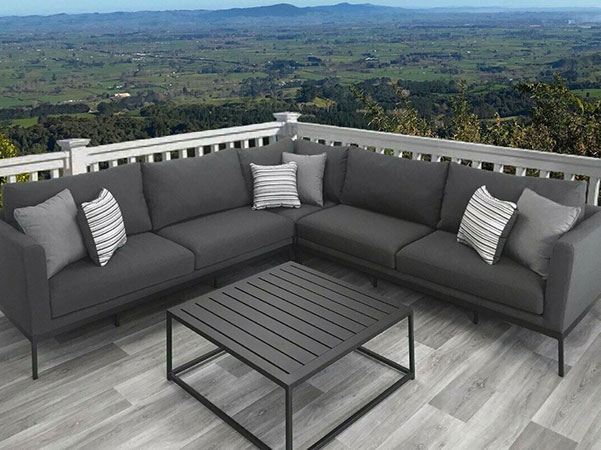
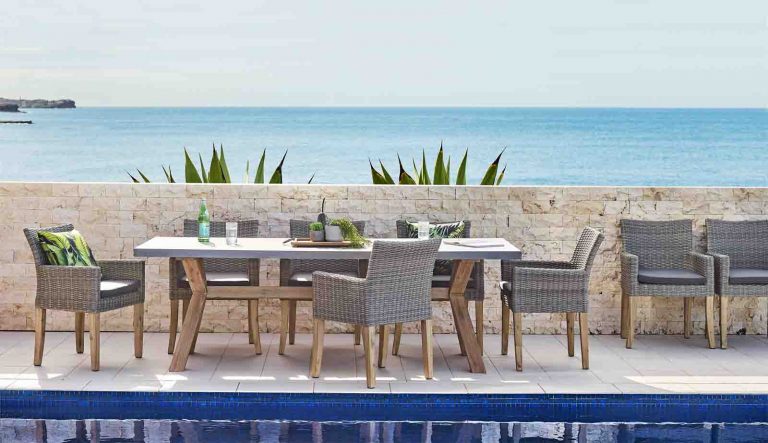
Can aluminum tables be paired with specific chairs or seating options?
Yes, aluminum tables can be paired with specific chairs or seating options to create a cohesive and visually appealing outdoor dining or seating area. Here is a detailed explanation:
1. Aluminum Chairs: One of the most common and complementary options for pairing with aluminum tables is aluminum chairs. Aluminum chairs are designed to match the style and aesthetics of aluminum tables, creating a cohesive look in outdoor spaces. They often feature similar design elements, such as aluminum frames or powder-coated finishes, which help to maintain a consistent visual theme. Pairing aluminum tables with aluminum chairs ensures a harmonious and coordinated appearance, enhancing the overall ambiance of the outdoor area.
2. Mixed Materials: Aluminum tables can also be paired with chairs or seating options made from different materials to create an eclectic or contrasting design. For example, pairing aluminum tables with chairs made from wood, wicker, or rattan can create an interesting mix of materials and textures. This combination can add visual interest and create a unique and personalized outdoor space. When opting for mixed materials, it is important to consider the overall design scheme and ensure that the different elements harmonize with each other.
3. Cushioned Seating: To enhance comfort and add a touch of luxury to an outdoor dining area, aluminum tables can be paired with cushioned seating options. This can include chairs with padded seats and backs or outdoor cushions that can be added to the seating. Cushioned seating provides added support and comfort for extended periods of sitting, making it ideal for leisurely outdoor dining or relaxation. When selecting cushioned seating, it is important to choose materials that are weather-resistant and designed for outdoor use.
4. Bench Seating: Another option for pairing with aluminum tables is bench seating. Benches offer a versatile and space-efficient seating solution, especially for larger tables or communal dining areas. Aluminum tables can be accompanied by aluminum benches to maintain a consistent style, or they can be paired with benches made from other materials, such as wood or composite materials. Bench seating encourages social interaction and can create a casual and inviting atmosphere in outdoor settings.
5. Lounge Seating: For outdoor lounges or casual seating areas, aluminum tables can be paired with lounge chairs, outdoor sofas, or sectional seating. This combination provides a comfortable and relaxed seating arrangement, perfect for enjoying conversations, drinks, or casual meals. Lounge seating options can be chosen to match the design style of the aluminum tables or to create a contrasting aesthetic for added visual interest.
6. Bar Stools and Counter Height Chairs: In settings such as outdoor bars or bistro areas, aluminum tables can be paired with bar stools or counter height chairs. These taller seating options create a casual and social atmosphere and are designed to be used with tables at a higher height. Bar stools and counter height chairs made from aluminum or other materials can be selected to complement the design of the aluminum tables and create a cohesive look in these specific settings.
When pairing chairs or seating options with aluminum tables, it is important to consider factors such as comfort, durability, style, and the intended use of the outdoor space. By selecting seating options that complement the design of the aluminum tables and meet the specific requirements of the outdoor area, you can create a cohesive and inviting environment that enhances the overall dining or seating experience.
Are there specific types of aluminum alloys used in manufacturing tables?
Yes, specific types of aluminum alloys are commonly used in the manufacturing of tables. Here is a detailed explanation:
1. Aluminum 6061: Aluminum alloy 6061 is one of the most popular choices for manufacturing tables. It is a versatile alloy that offers a good balance of strength, durability, and workability. Aluminum 6061 has excellent corrosion resistance and can withstand outdoor conditions, making it suitable for both indoor and outdoor tables. This alloy is often used in the construction of lightweight and sturdy tables, including dining tables, outdoor patio tables, and folding tables.
2. Aluminum 5052: Aluminum alloy 5052 is another commonly used alloy in table manufacturing. It is known for its high strength and excellent corrosion resistance. Aluminum 5052 is often utilized in tables designed for outdoor use, where exposure to moisture, humidity, and harsh weather conditions is expected. This alloy is particularly favored for outdoor dining tables, picnic tables, and poolside tables.
3. Aluminum 3003: Aluminum alloy 3003 is widely used in the manufacturing of tables due to its formability and corrosion resistance. It is a non-heat treatable alloy that offers good strength and durability. Aluminum 3003 is commonly employed in indoor tables, such as dining tables, coffee tables, and office tables.
4. Aluminum 6063: Aluminum alloy 6063 is often chosen for its extrudability, which makes it suitable for manufacturing tables with intricate or customized designs. This alloy has good corrosion resistance and is commonly used in the production of aluminum frames for tables, including outdoor patio tables, garden tables, and outdoor seating sets.
5. Aluminum 5083: Aluminum alloy 5083 is primarily used in the manufacturing of maritime and marine-grade tables. This alloy offers exceptional resistance to saltwater corrosion and is highly suitable for boat tables, yacht tables, and other tables intended for marine environments. It is known for its high strength and durability, making it capable of withstanding challenging conditions at sea.
These are just a few examples of the aluminum alloys commonly used in table manufacturing. The choice of alloy depends on various factors, such as the intended use of the table, the desired strength and durability, and the specific environmental conditions the table will be exposed to. Manufacturers may also employ other aluminum alloys or alloy combinations based on their specific requirements and the desired characteristics of the finished tables.
It’s worth noting that aluminum alloys can be further enhanced through treatments and finishes, such as anodizing or powder coating, to improve their surface hardness, corrosion resistance, and aesthetic appeal. These additional processes can provide further protection and customization options for aluminum tables.
editor by CX 2023-12-08