Product Description
Product description
Let us contribute on protection of environment!
plastic rattan equipment rattan machine furniture outdoor
Plastic rattan extrusion machine can produce single or multicolor plastic rattan.
Useage: Plastic rattan extrusion machine is widely used in rattan chair, tea table, flower basket, weaving art and craft, furniture, etc
Features: Using different raw material such as PE/PP, the extrusion line can produce plastic resembling rattan with different textures.
CHINAMFG & Shipment
Our Services
- Introduce Product and Application Details
- Recommend suitable machines after understanding customers’ requirements
- Control the quality of machines as per contract strickly
- Your feedbacks/questions will be answered within 24 hours until being sloved
- Engineers can be available to customer’s workshop for installation and testing machines
- Your machines will be tested in our factory before delivery
- You will have some free spare parts for your machines
- You will be picked up in HangZhou/HangZhou Airport if you are interested in our machines
Company Information
HangZhou XIHU (WEST LAKE) DIS.G MACHINERY CO.,LTD is established on July 25, 2571, located in HangZhou, China, specialized in manufacturing and selling all kinds of plastic recycling machines. The main products are plastic pelletizer, plastic granulator, plastic pipes making machine, plastic profiles extrusion line, 3 colors rattans machine, rubber band machine, plastic crusher/shredder and auxiliary machines.
High quality, Good service after-sales, customers first, enjoying good reputations from our customers all over the worlds. Our machines are exported to Pakistan, Malaysia, Indonesia, Philippines, Libya, Egypt, Iraq, Turkey, Syria, Yemen, Iran, Nigeria, Algeria, Uganda, Ethiopia, South Africa, Mexico, Argintina, Peru, Ecuador, Guatemala and so on.
We promise 1 year warranty for our machines, all the spare parts are free if machines have quality problme within warranty.
You will have our answers within 6 hours when customers contact us.
You will be welcomed warmly when you visit us in China.
Welcome old and new friends to visit us again. Looking CHINAMFG to start long-term business relationship and friendship with you.
Our Advantages
Our customers
/* March 10, 2571 17:59:20 */!function(){function s(e,r){var a,o={};try{e&&e.split(“,”).forEach(function(e,t){e&&(a=e.match(/(.*?):(.*)$/))&&1
| After-sales Service: | Engineer Oversea Service |
|---|---|
| Warranty: | 1 Year |
| Type: | Rattans Extruder |
| Plastic Processed: | PE |
| Product Type: | Rattans Extrusion Machine |
| Feeding Mode: | Multiple Feed |
| Customization: |
Available
|
|
|---|

How do I clean mold and mildew from outdoor furniture cushions?
Mold and mildew can develop on outdoor furniture cushions due to exposure to moisture and lack of proper ventilation. Here’s a step-by-step guide to cleaning mold and mildew from your outdoor furniture cushions:
1. Safety Precautions:
Before starting the cleaning process, make sure to wear protective gloves and a mask to avoid direct contact with mold spores.
2. Brushing:
Begin by using a soft-bristle brush or a toothbrush to gently scrub the affected areas of the cushions. This will help loosen the mold or mildew and remove any surface debris.
3. Vacuuming:
Use a vacuum cleaner with a brush attachment to thoroughly vacuum the cushions. This will help remove any loose mold spores or debris.
4. Cleaning Solution:
Prepare a cleaning solution by mixing one part mild dish soap or laundry detergent with four parts warm water. Avoid using bleach or harsh chemicals, as they can damage the fabric.
5. Spot Testing:
Before applying the cleaning solution to the entire cushion, perform a spot test on a small, inconspicuous area to ensure that it does not cause any discoloration or damage.
6. Cleaning:
Dip a sponge or soft cloth into the cleaning solution and gently scrub the affected areas of the cushions. Work in small sections and avoid oversaturating the fabric.
7. Rinsing:
After cleaning, rinse the cushions thoroughly with clean water to remove any soap residue. This can be done using a garden hose or by wiping the cushions with a damp cloth.
8. Drying:
Allow the cushions to air dry completely in a well-ventilated area. Avoid placing them in direct sunlight, as this can cause fading or damage to the fabric.
9. Prevention:
To prevent future mold and mildew growth, ensure proper ventilation for your outdoor furniture. Avoid leaving cushions exposed to prolonged moisture or rain. If possible, store the cushions in a dry place during periods of non-use.
If the mold or mildew stains persist after cleaning, you may need to repeat the process or consider using a specialized mold and mildew cleaner. Follow the instructions provided by the manufacturer for best results.
Regular maintenance and cleaning of outdoor furniture cushions can help prevent mold and mildew growth. It’s recommended to clean the cushions at least once a season or more frequently if needed.

What should I look for in outdoor furniture covers to protect against rain and sun?
When selecting outdoor furniture covers to protect against rain and sun, there are several factors to consider. Here are some key features to look for:
1. Waterproof or Water-Resistant Material: Look for covers made from waterproof or water-resistant materials to protect your outdoor furniture from rain. Materials such as polyester, vinyl, or specially coated fabrics are effective in repelling water and preventing it from seeping through the cover and damaging the furniture.
2. UV Protection: Sun exposure can cause fading, discoloration, and deterioration of outdoor furniture. Ensure that the covers you choose offer UV protection to shield your furniture from harmful UV rays. Look for covers made from materials with UV-resistant coatings or those specifically designed to block UV radiation.
3. Durable Construction: Outdoor furniture covers should be constructed with durable materials and strong stitching to withstand the elements. Look for covers with reinforced seams and high-quality materials that can resist tearing and abrasion. Reinforced corners or straps can also help secure the covers in place during windy conditions.
4. Proper Fit: It’s important to choose covers that fit your outdoor furniture properly. Covers that are too small may not provide adequate protection, while those that are too large may be prone to being blown away or collecting water. Look for covers with adjustable straps, drawstrings, or elastic hems that allow you to secure them snugly around the furniture.
5. Breathability: While it’s essential for outdoor furniture covers to be waterproof, they should also be breathable to prevent the buildup of condensation and promote airflow. Look for covers with vents or mesh panels that allow moisture to escape, reducing the risk of mold or mildew formation.
6. Ease of Use and Maintenance: Consider covers that are easy to put on and take off your outdoor furniture. Covers with features like zipper closures, Velcro straps, or buckles can make the process more convenient. Additionally, look for covers that are easy to clean and maintain, as they will require periodic washing to remove dirt, debris, and stains.
7. Warranty: Check if the outdoor furniture covers come with a warranty. A warranty indicates that the manufacturer stands behind the quality and durability of their product.
When purchasing outdoor furniture covers, it’s advisable to measure your furniture dimensions accurately and choose covers that are designed for your specific furniture type or style. This will ensure a better fit and optimal protection.
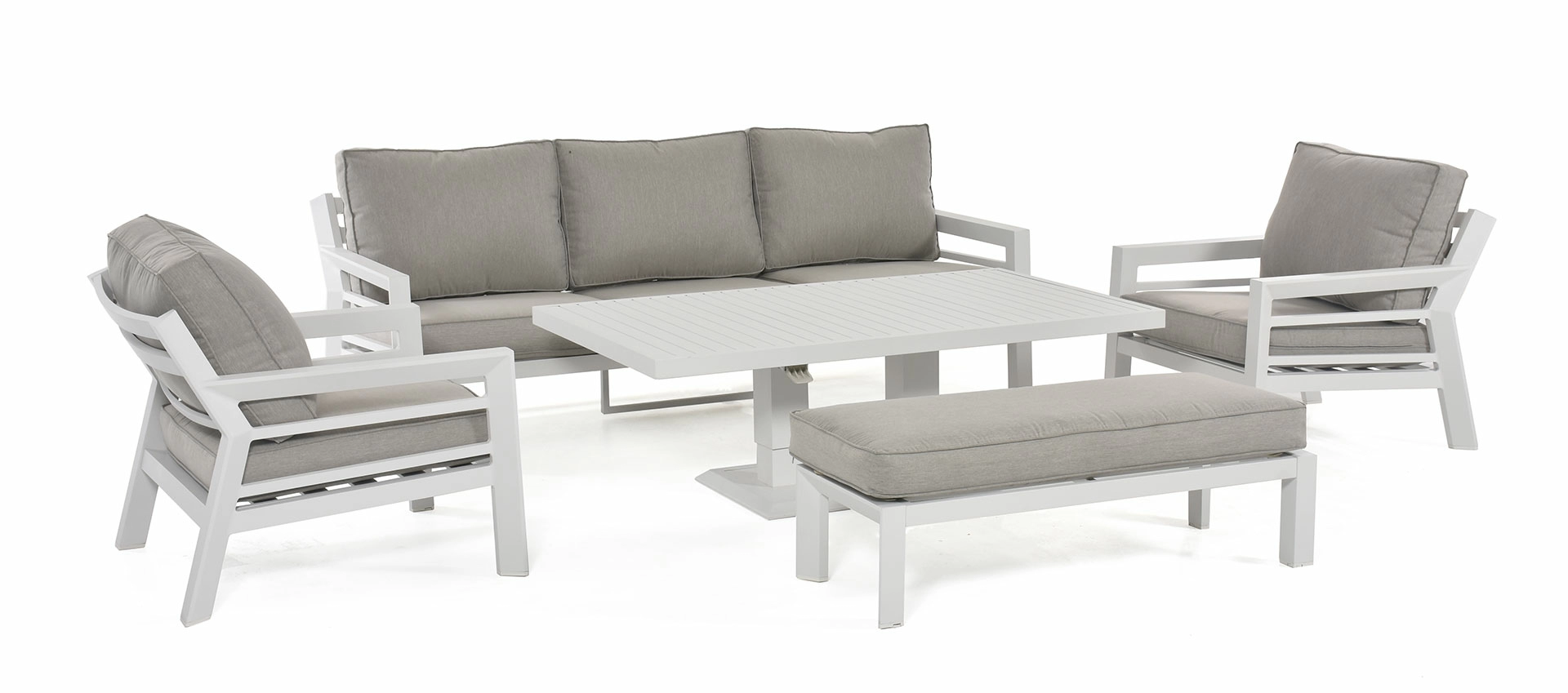
How can I protect my outdoor furniture during the winter months?
Protecting your outdoor furniture during the winter months is crucial to ensure its longevity and keep it in good condition. Here are some tips to help you protect your outdoor furniture:
1. Clean and Prepare: Before winter arrives, thoroughly clean your outdoor furniture to remove any dirt, debris, or stains. Use a mild soap, water, and a soft brush or sponge. Rinse the furniture thoroughly and allow it to dry completely. Once clean, apply an appropriate protective finish or sealant if recommended by the manufacturer.
2. Store Indoors: If possible, consider storing your outdoor furniture indoors during the winter months. A garage, basement, or storage shed can provide protection from harsh winter weather. If space is limited, prioritize storing more delicate or valuable pieces, such as cushions or lightweight furniture, while heavier or more durable items may be left outside with proper coverings.
3. Use Furniture Covers: If storing your furniture indoors is not an option, use weather-resistant covers designed specifically for outdoor furniture. Look for covers made from durable materials that are waterproof, UV-resistant, and breathable. Properly cover each piece of furniture, including tables, chairs, and cushions, to keep them protected from snow, rain, and wind.
4. Elevate and Protect: When leaving furniture outside, elevate it from the ground to prevent moisture damage. Use furniture glides, blocks, or a raised platform to keep the furniture off the wet or frozen ground. Additionally, use furniture protectors or caps on the legs to prevent scratching or damage to delicate surfaces.
5. Remove Cushions and Fabric: If your outdoor furniture has removable cushions or fabric, it’s best to store them indoors during the winter. Clean the cushions thoroughly, allow them to dry completely, and store them in a dry and protected area. If storing indoors is not possible, use weather-resistant cushion storage bags or containers to keep them protected from moisture and pests.
6. Inspect and Maintain: Periodically check on your outdoor furniture during the winter months. Remove any accumulated snow or debris from the covers and ensure they are securely in place. Inspect the furniture for any signs of damage or wear and make any necessary repairs as soon as possible.
7. Avoid Excessive Weight: While it may be tempting to use your outdoor furniture as storage surfaces during the winter, it’s best to avoid placing heavy objects on them. Excessive weight can cause damage or warping, especially if the furniture is made from materials like wicker or plastic.
By following these tips, you can help protect your outdoor furniture during the winter months and extend its lifespan. Remember to always refer to the manufacturer’s guidelines and recommendations for specific care instructions for your furniture.
editor by CX 2024-01-11
China Best Sales Factory Supply Henda High Pressure Three Stage Piston Air Compressor for Plastic Blow Molding Machine with Good quality
Product Description
Product Description
High Pressure Three Stage Piston Air Compressor
YD Series air compressor are used widely in Power Gernartion, Oil&Gas,Carbon Fibre industried,emergenc deisel engine starting, compressored air filling station,burst testing,hydraulic pressurizes chamber and fast growing pet blowing moulding for food and beveragempharmaceutical, and others modern industries applications.
Product Parameters
| Model | Air capacity (M3/min) |
Working pressure (Bar) |
Power(Kw) | Speed(r.p.m) | Weight(Kg) |
| VH-0.7/30 | 0.7 |
30BAR |
7.5 | 680 | 310 |
| WH-1.0/30 | 1.0 | 11 | 600 | 430 | |
| WH-1.2/30 | 1.2 | 15 | 760 | 450 | |
| WH-1.5/30 | 1.5 | 18.5 | 790 | 520 | |
| WH-2.0/30 | 2.0 | 22 | 670 | 610 | |
| WH-2.35/30 | 2.35 | 25 | 760 | 620 | |
| 2-WH-3.0/30 | 3.0 | 2*18.5 | 790 | 1150 | |
| 3-WH-3.6/30 | 3.6 | 3*15 | 700 | 1580 | |
| VH-0.17/35 | 0.17 | 35BAR | 2.2 | 660 | 110 |
| VH-0.65/35 | 0.65 | 9.0 | 605 | 420 | |
| WH-1.1/35 | 1.1 | 15 | 900 | 475 | |
| WH-2.0/35 | 2.0 | 22 | 670 | 615 | |
| WH-2.2/35 | 2.2 | 25 | 735 | 600 | |
| VH-0.3/40 | 0.3 | 40BAR | 5.5 | 500 | 290 |
| WH-1.0/40 | 1.0 | 11 | 790 | 470 | |
| 49SH-2.6/40 | 2.6 | 25 | 625 | 900 | |
| 49SH-3.0/40 | 3.0 | 30 | 695 | 920 | |
| 2-49SH-6.0/40 | 6.0 | 2*30 | 695 | 2100 | |
| 4-WH-4.0/40 | 4.0 | 4*11 | 790 | 2400 | |
| 6-WH-6.0/40 | 6.0 | 6*11 | 790 | 3600 |
If these are not what you need, you can give us the exhaust pressure, displacement, usage and some other requirements of the air compressor, We will custom for you.
Feature of High Pressure Three Stage Piston Air Compressor :
1. Light alloy piston effectively reduces weight and reduces mechanical power consumption.
2.Cast iron cylinder heads, and independent seat enhance the life of the equipment.
3. Equipped with the king of air valve “Herbiger” automatic efficient valve they make the equipment big capacity, more action, high efficiency, long life service.
4. Special design flywheel, V belt drive reduce the operating noise
6.Rotating components adopt 2 famous rolling bearings, which ensure the stable operation and greatly reduce the wear and tear of the bearing.
Our Advantages
|
Our air compressor |
Other air compressor |
|
duplex bearings in the crankcase;extending the working life and boosting the power |
single bearing;unstable operation |
|
aluminous alloy piston;resisting high temperature and working well. |
General aluminous piston;resisting high temperature but working badly |
|
Sweden steel valve plate and spring plate; keeping operating without flexibility |
Domestic steel valve plate;easy to be out of shape |
|
automatic unload system;extending the working life and making sure the system starts safely |
Start with load in the air compressor;easy to burn the motor |
|
the king of the world Herbiger air valve |
domestic valve |
|
combinational loop for automobile can better |
Average carbonated ring,working unreliably and shortening life |
|
Automatic unload system,releasing the pressure from inter-cooler and cylinders to make sure the machine start without residual pressure |
Some hi-tech manufactories adopt this technique, but not all. |
|
cooling automatic drain equipment;successfully releasing the water in the high pressured tubes |
No automatic drain equipment;failing to release the residual water |
|
Danvers,Schneider parts;reliable quality |
Domestic parts;unreliable quality |
Packaging & Shipping
| Packaging Details: | Wooden case package |
| Delivery Detail: | 15 working days |
Company Profile
ZheJiang CHINAMFG Union Machinery is a professional manufacturer of plastic machines. It occupied an area of 18000 square meters. With years of development, its products covers plastic extrusion lines, plastic blowing machine, plastic recycling machine, air compressor etc.
Stick to the company idea is making good machine, being good person, CHINAMFG alwasy provide customers with high quality machines. Warmly welcome to visit our factory (next to ZheJiang )!
Why choose us?
Our advantages
1.20+ years plastic machine factory and we have 20000 square CHINAMFG standard workshop
2.15+ years experience engineer for the plastic machine, They can provide you with customized services
3.15+ years experience After-sales team, They have debugged and repaired 100+ production lines.
4.18 hours online sales staff, They can answer your questions within 6 hours
FAQ
Q: Your company is a transactional company or an industrial manufacture factory?
A: We are an industrial manufacture factory which locates in HangZhou city.
Q: All of your products are made by your self or compacted via purchasing the others?
A: We have independent technical team who focus on making machines, all the products are made by our technical team.
Q: What is the ability of your factory?
A: About 100 lines per month.
Q: Do you have any other services about your products?
A: We have a lot of experience on making projects and specifications for our clients, also we have a fixed service system.
Q: How do you make the quotation for clients?
A: The price depends on quality and performance but the clients should be satisfied first.
| After-sales Service: | 1 Year |
|---|---|
| Warranty: | 1 Year |
| Lubrication Style: | Oil-less |
| Customization: |
Available
|
|
|---|
.shipping-cost-tm .tm-status-off{background: none;padding:0;color: #1470cc}
|
Shipping Cost:
Estimated freight per unit. |
about shipping cost and estimated delivery time. |
|---|
| Payment Method: |
|
|---|---|
|
Initial Payment Full Payment |
| Currency: | US$ |
|---|
| Return&refunds: | You can apply for a refund up to 30 days after receipt of the products. |
|---|
.webp)
How are air compressors utilized in the aerospace industry?
Air compressors play a crucial role in various applications within the aerospace industry. They are utilized for a wide range of tasks that require compressed air or gas. Here are some key uses of air compressors in the aerospace industry:
1. Aircraft Systems:
Air compressors are used in aircraft systems to provide compressed air for various functions. They supply compressed air for pneumatic systems, such as landing gear operation, braking systems, wing flap control, and flight control surfaces. Compressed air is also utilized for starting aircraft engines and for cabin pressurization and air conditioning systems.
2. Ground Support Equipment:
Air compressors are employed in ground support equipment used in the aerospace industry. They provide compressed air for tasks such as inflating aircraft tires, operating pneumatic tools for maintenance and repair, and powering air-driven systems for fueling, lubrication, and hydraulic operations.
3. Component Testing:
Air compressors are utilized in component testing within the aerospace industry. They supply compressed air for testing and calibrating various aircraft components, such as valves, actuators, pressure sensors, pneumatic switches, and control systems. Compressed air is used to simulate operating conditions and evaluate the performance and reliability of these components.
4. Airborne Systems:
In certain aircraft, air compressors are employed for specific airborne systems. For example, in military aircraft, air compressors are used for air-to-air refueling systems, where compressed air is utilized to transfer fuel between aircraft in mid-air. Compressed air is also employed in aircraft de-icing systems, where it is used to inflate inflatable de-icing boots on the wing surfaces to remove ice accumulation during flight.
5. Environmental Control Systems:
Air compressors play a critical role in the environmental control systems of aircraft. They supply compressed air for air conditioning, ventilation, and pressurization systems, ensuring a comfortable and controlled environment inside the aircraft cabin. Compressed air is used to cool and circulate air, maintain desired cabin pressure, and control humidity levels.
6. Engine Testing:
In the aerospace industry, air compressors are utilized for engine testing purposes. They provide compressed air for engine test cells, where aircraft engines are tested for performance, efficiency, and durability. Compressed air is used to simulate different operating conditions and loads on the engine, allowing engineers to assess its performance and make necessary adjustments or improvements.
7. Oxygen Systems:
In aircraft, air compressors are involved in the production of medical-grade oxygen for onboard oxygen systems. Compressed air is passed through molecular sieve beds or other oxygen concentrator systems to separate oxygen from other components of air. The generated oxygen is then supplied to the onboard oxygen systems, ensuring a sufficient and continuous supply of breathable oxygen for passengers and crew at high altitudes.
It is important to note that air compressors used in the aerospace industry must meet stringent quality and safety standards. They need to be reliable, efficient, and capable of operating under demanding conditions to ensure the safety and performance of aircraft systems.
.webp)
How do you troubleshoot common air compressor problems?
Troubleshooting common air compressor problems can help identify and resolve issues that may affect the performance and functionality of the compressor. Here are some steps to troubleshoot common air compressor problems:
1. No Power:
- Check the power source and ensure the compressor is properly plugged in.
- Inspect the circuit breaker or fuse box to ensure it hasn’t tripped or blown.
- Verify that the compressor’s power switch or control panel is turned on.
2. Low Air Pressure:
- Check the air pressure gauge on the compressor. If the pressure is below the desired level, the compressor might not be building up enough pressure.
- Inspect for air leaks in the system. Leaks can cause a drop in pressure. Listen for hissing sounds or use a soapy water solution to identify the location of leaks.
- Ensure the compressor’s intake filter is clean and not clogged, as this can restrict airflow and reduce pressure.
3. Excessive Noise or Vibration:
- Inspect the compressor’s mounting and foundation to ensure it is secure and stable. Loose mounts can cause excessive noise and vibration.
- Check for loose or damaged components, such as belts, pulleys, or motor mounts. Tighten or replace as necessary.
- Verify that the compressor’s cooling system, such as the fan or fins, is clean and free from obstructions. Overheating can lead to increased noise and vibration.
4. Air Leaks:
- Inspect all connections, valves, fittings, and hoses for leaks. Tighten or replace any loose or damaged components.
- Apply a soapy water solution to suspected areas and look for bubbles. Bubbles indicate air leaks.
- Consider using thread sealant or Teflon tape on threaded connections to ensure a proper seal.
5. Excessive Moisture in Compressed Air:
- Check the compressor’s drain valve and ensure it is functioning properly. Open the valve to release any accumulated moisture.
- Inspect and clean the compressor’s moisture separator or air dryer, if equipped.
- Consider installing additional filtration or drying equipment to remove moisture from the compressed air system.
6. Motor Overheating:
- Ensure the compressor’s cooling system is clean and unobstructed.
- Check the motor’s air intake vents and clean any dust or debris that may be blocking airflow.
- Verify that the compressor is not being operated in an excessively hot environment.
- Check the motor’s lubrication levels and ensure they are within the manufacturer’s recommended range.
- Consider using a thermal overload protector to prevent the motor from overheating.
If troubleshooting these common problems does not resolve the issue, it may be necessary to consult the manufacturer’s manual or seek assistance from a qualified technician. Regular maintenance, such as cleaning, lubrication, and inspection, can also help prevent common problems and ensure the optimal performance of the air compressor.
.webp)
What is the difference between a piston and rotary screw compressor?
Piston compressors and rotary screw compressors are two common types of air compressors with distinct differences in their design and operation. Here’s a detailed explanation of the differences between these two compressor types:
1. Operating Principle:
- Piston Compressors: Piston compressors, also known as reciprocating compressors, use one or more pistons driven by a crankshaft to compress air. The piston moves up and down within a cylinder, creating a vacuum during the intake stroke and compressing the air during the compression stroke.
- Rotary Screw Compressors: Rotary screw compressors utilize two intermeshing screws (rotors) to compress air. As the male and female screws rotate, the air is trapped between them and gradually compressed as it moves along the screw threads.
2. Compression Method:
- Piston Compressors: Piston compressors achieve compression through a positive displacement process. The air is drawn into the cylinder and compressed as the piston moves back and forth. The compression is intermittent, occurring in discrete cycles.
- Rotary Screw Compressors: Rotary screw compressors also employ a positive displacement method. The compression is continuous as the rotating screws create a continuous flow of air and compress it gradually as it moves along the screw threads.
3. Efficiency:
- Piston Compressors: Piston compressors are known for their high efficiency at lower flow rates and higher pressures. They are well-suited for applications that require intermittent or variable air demand.
- Rotary Screw Compressors: Rotary screw compressors are highly efficient for continuous operation and are designed to handle higher flow rates. They are often used in applications with a constant or steady air demand.
4. Noise Level:
- Piston Compressors: Piston compressors tend to generate more noise during operation due to the reciprocating motion of the pistons and valves.
- Rotary Screw Compressors: Rotary screw compressors are generally quieter in operation compared to piston compressors. The smooth rotation of the screws contributes to reduced noise levels.
5. Maintenance:
- Piston Compressors: Piston compressors typically require more frequent maintenance due to the higher number of moving parts, such as pistons, valves, and rings.
- Rotary Screw Compressors: Rotary screw compressors have fewer moving parts, resulting in lower maintenance requirements. They often have longer service intervals and can operate continuously for extended periods without significant maintenance.
6. Size and Portability:
- Piston Compressors: Piston compressors are available in both smaller portable models and larger stationary units. Portable piston compressors are commonly used in construction, automotive, and DIY applications.
- Rotary Screw Compressors: Rotary screw compressors are typically larger and more suitable for stationary installations in industrial and commercial settings. They are less commonly used in portable applications.
These are some of the key differences between piston compressors and rotary screw compressors. The choice between the two depends on factors such as required flow rate, pressure, duty cycle, efficiency, noise level, maintenance needs, and specific application requirements.


editor by CX 2023-11-14